
Below is the rewritten text. We worked to keep words that belong together close by and make each sentence flow with fewer long jumps. We kept the original sections and formatting while aiming for clear, direct phrasing with a Flesch reading score of about 60–70. ─────────────────────────────
If you have been googling Chinatown physiotherapy while rubbing a stubborn knee, stiff neck or nagging lower back, you are not alone. Many Singaporeans live with long-term aches. A small “suan” or “zao geng” now can lead to pain that sticks. What starts as slight discomfort soon makes sleep, work, or even climbing stairs feel hard.
This guide is for you if you are tired of “just tahan”, swallowing painkillers, or trying random massages that only help for a few days.
─────────────────────────────
Why Chronic Pain Doesn’t Just “Go Away On Its Own”
Many patients near Chinatown and the CBD tell us the same things:
- “I thought my back spasm would rest away.”
- “I sprained my ankle months ago, but it still feels ‘loose’ and weak.”
- “My knee pain comes and goes with the weather and stairs.”
Chronic pain (lasting more than 3 months) usually means that either:
- Tissue healing is not complete, or
- Your joints still move in the wrong way (poor biomechanics), or
- Your nervous system has grown “over-sensitive” from months of guarding and limping.
If you ignore signs like grinding, locking, catching, morning stiffness or not being able to fully bend or straighten, your joint learns a bad way to move. Muscles around it may tighten or grow weak to help out. Soon, pain becomes your new “normal.”
This is where well-targeted Chinatown physiotherapy helps reverse the cycle rather than just coping.
─────────────────────────────
What Makes Chinatown Physiotherapy Different at The Pain Relief Practice
The Pain Relief Practice is one of Singapore’s long-established physiotherapy clinics. Since 2007, we help people near Chinatown. We focus on those who:
- Have recurrent or long-standing joint and muscle pain.
- Have tried “everything” (GP, TCM, massage, YouTube exercises) and only found partial help.
- Want to protect their joints long term, not just treat flare-ups.
Our physios and pain doctors work together with a clinical, data-driven yet practical approach. We do not ask only “where does it hurt?” Instead, we ask:
- When did the pain start, and what triggered it?
- What moves make you wince? What positions feel “shiok”?
- What are your true goals—playing badminton, walking after dinner, carrying grandkids, or sleeping without being woken by pain?
Then we design a recovery pathway that fits your life, job, and hobbies.
─────────────────────────────
Real Results
─────────────────────────────
Common Chronic Pain Conditions We See Around Chinatown
Because office workers, active seniors, and sports lovers live near Chinatown, we see these patterns at The Pain Relief Practice:
-
Tech neck & Desk Upper Back Pain
You feel a stiff neck, tight upper traps, a sharp pain when you turn, headaches that start in the neck, or a heavy “stone” feeling between your shoulder blades. -
Lower Back Pain & Sciatica
You throw your back suddenly, feel a constant ache when standing, get shooting pain down the leg, experience numbness or tingling, or cannot fully straighten after sitting. -
Knee Pain from Stairs, Squats or Running
You feel pain around or behind the kneecap, hear clicking or grinding, see swelling after long walks, or feel pain when rising from a low chair. -
Hip and Buttock Pain
A deep ache in the buttock, pain when lying on one side, trouble with crossing your legs, or stiffness after sitting in the morning. -
Shoulder Problems (Rotator Cuff, Frozen Shoulder)
You cannot lift your arm fully, feel pain when reaching behind (such as when fixing a bra strap or reaching a back pocket), or suffer night pain when resting on the shoulder. -
Sports Injuries and Overuse
People suffer from repeated ankle sprains, plantar fasciitis, tennis/golfer’s elbow, or wrist pain from sports or the gym.
If these sound familiar, your joints and muscles are telling you: “Please change how you use me.”
─────────────────────────────
Proven Recovery Strategies That Actually Work for Real-Life Singaporeans
Here are the key parts of our Chinatown physiotherapy plans. They beat chronic pain and protect your joints for the long term.
1. Targeted Pain Relief – Calm Things Down First
When pain flares up, you cannot move in the right way. If you cannot move well, you cannot strengthen properly. So we start by calming your system:
- Manual therapy: We use joint mobilisations, soft tissue work and trigger point release. This “unlocks” stiff areas, soothes tight bands and reduces muscle guarding.
- Technology-assisted pain relief: We use tools like therapeutic ultrasound, electrotherapy, shockwave or other evidence-based tools. These help calm inflammation and encourage healing.
- Taping & Bracing: We support irritated joints (such as an unstable ankle or painful kneecap) while we retrain your movement patterns.
This stage gives you fast relief so you can walk, sleep, and move with less fear.
─────────────────────────────
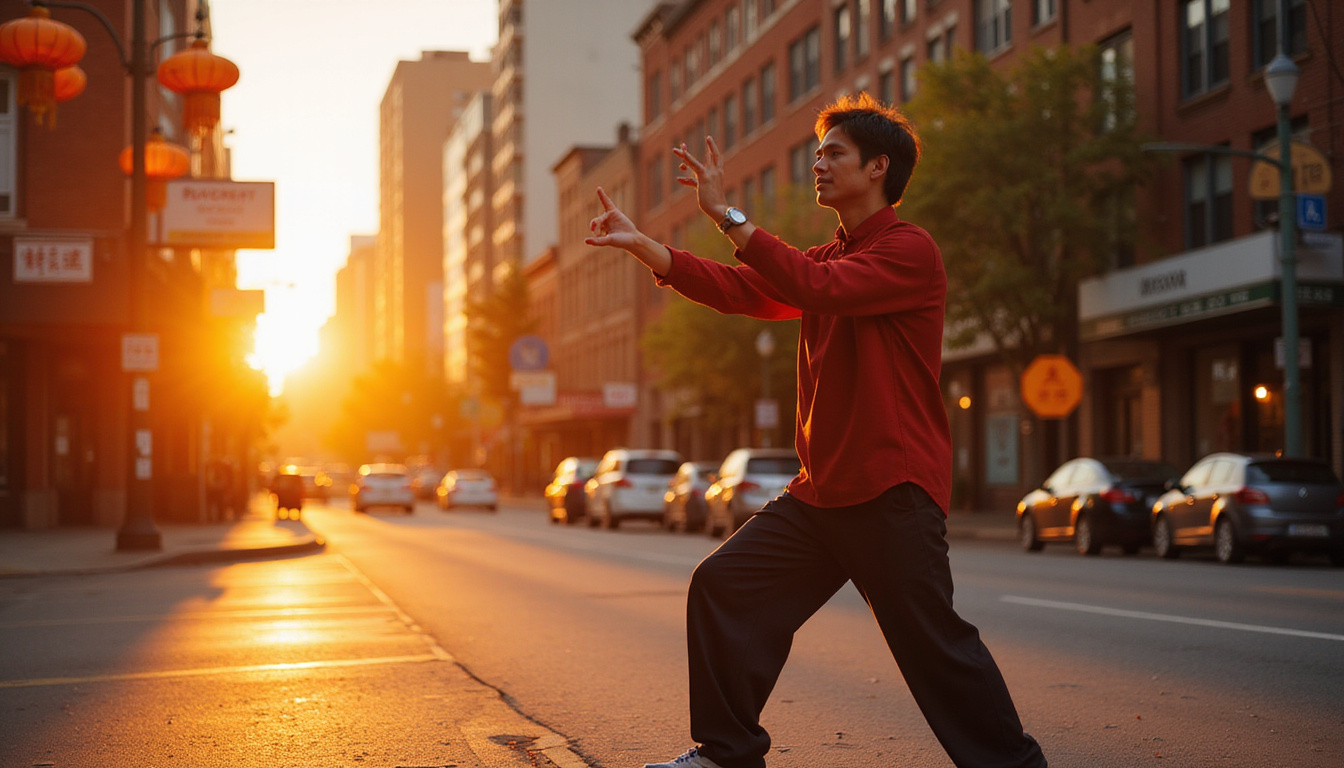
2. Movement Re-Education – Fix How You Move
If your knee “collapses” as you go downstairs or your lower back arches too much when bending, a massage will not fix the problem long-term.
We take time to coach you in:
- Joint-friendly Movement Patterns: Learn to hinge at the hips, squat without overloading the knees, or twist without jamming the neck or lower back.
- Realistic Posture: No one sits at 90° all day. We teach dynamic posture, keeping your spine and shoulders in a good zone with small movements throughout the day.
- Breathing and Core Control: Many brace their neck or lower back on lifting or even when getting out of bed. We show you how to use your diaphragm and deep core for support.
These small, careful changes help protect your joints every day—especially if you sit at a desk or do repetitive tasks.
─────────────────────────────
3. Strengthening the Right Areas – Not Just Random Exercises
A generic “stretch and strengthen everything” routine can overload an already troubled area.
We focus on smart loading:
- For knee pain—strengthen the hips, glutes and quadriceps at angles that do not hurt. Also improve ankle mobility and foot control.
- For lower back pain—train your hips to move well, boost glute strength and deepen core stability, not just do endless sit-ups.
- For neck and shoulder pain—balance overactive upper traps with the deep neck flexors and shoulder blade stabilisers.
We fine-tune the dose of exercise. This means how many repetitions, how often, and how to progress so that it fits your pain level and schedule.
─────────────────────────────
4. Lifestyle & Ergonomic Tweaks – The Chinatown Reality
Living and working around Chinatown can mean:
- Long hours at a computer.
- Walking between the MRT, office, and food centres.
- Carrying groceries or kids.
- Late nights and high stress.
Therefore, your plan must work with this life. We advise on:
- Workstation Changes: Adjust your screen height, chair, laptop versus monitor, keyboard and mouse. We also explore standing desk options.
- Daily “Micro-Break” Routines: Do 30–60 second movement breaks for your neck, back, hips, and calves between tasks or during calls.
- Footwear & Load Management: For those who walk a lot or carry heavy bags, we give advice on choosing the right footwear and adjusting your bag so your joints can recover.
These small adjustments can ease your “end-of-day” stiffness and pain.
─────────────────────────────
5. Long-Term Joint Protection & Performance
When your pain comes under control, the next step is to future-proof your joints so you do not return to the same issues.
We help you:
- Build a personalised maintenance routine (just 10–15 minutes) that targets your weak points.
- Understand the “red flag” warning signs so you know when to scale back or push a little.
- Transition safely back to your activities—whether it is gym, yoga, golf, badminton, running or long walks with friends.
For many, this is a chance not just to feel “okay” but to move better and feel stronger than ever before the injury.
─────────────────────────────
Celebrities & National Athletes
The Pain Relief Practice has treated celebrities and national athletes who demand quick, safe recovery and top performance. We use the same care and principles for every patient—whether you are an elite athlete, a weekend warrior, or someone who struggles to get through a workday without pain.
─────────────────────────────
Why Many Savvy Patients Choose The Pain Relief Practice Near Chinatown
Patients who have “tried everything” come to us because they want:
- Specialised Pain Treatment: Not just generic physiotherapy but an integrated approach that treats joints, muscles, nerves, and lifestyle.
- Experience and Trust: We have helped many people in Singapore since 2007 and are one of the long-established physiotherapy clinics.
- Clear, Honest Explanations: You know what causes your pain, what each treatment does and what you can do at home.
- Results-Focused Plans: We target clear improvements in pain, function and performance—not endless sessions with no visible progress.
─────────────────────────────
What a Typical Chinatown Physiotherapy Session Looks Like
At your first visit to The Pain Relief Practice, you can expect:
-
Detailed History & Goal Discussion
We ask when the pain began, what makes it worse or better, and what activities you miss. -
Thorough Physical Assessment
We check your posture, joint movement, muscle strength, nerve tension, and movement patterns such as squatting or bending. -
Simple Clinical Explanations
We explain what is happening in the joint or muscle (for example, tendon irritation compared to muscle strain or joint degeneration). -
Hands-On Treatment
Using manual therapy and other techniques, we work on easing pain and improving movement immediately. -
Personalised Home Exercises
You receive a focused set of 3–6 simple moves with clear instructions and progression. -
Recovery Roadmap
We outline how often you should visit, what milestones to expect, and what activities to do or avoid in daily life and sports.
─────────────────────────────
Practical Tips to Start Today While You Consider Physio
Even though a personalised assessment is best, you can try these safe, general strategies if you suffer from chronic joint or muscle pain:
- Respect the Pain Scale: Try to keep pain at ≤ 3/10 during any activity. Sharp or rising pain means you should modify the movement.
- Change Positions Often: Even a “perfect” posture hurts if you hold it too long. Shift your position at least every 30–45 minutes.
- Alternate Load and Rest: For long walks, stairs or house chores, break them into smaller parts if your joints feel sore afterward.
- Warm Up Before Demanding Tasks: Do simple hip hinges, gentle squats, shoulder rolls and ankle circles before heavy lifting, long walks or sports.
- Avoid Self-Prescribing Heavy Gym Moves: Hold off on deep squats, deadlifts or overhead presses until your pain and movement are clearly assessed.
If your symptoms worsen, do not let them linger, or they affect your sleep or daily life, get a full assessment instead of hoping they disappear. (Source: World Health Organization – Musculoskeletal Health)
─────────────────────────────
Our Google Profile
Learn more about The Pain Relief Practice. Read reviews and get directions to our clinic near Chinatown here:
https://share.google/UwMU2I9zUCwXVh0Lg
─────────────────────────────
FAQ About Chinatown Physiotherapy & Chronic Pain
1. Is Chinatown physiotherapy suitable if I have “wear and tear” or early arthritis?
Yes. For many with mild to moderate “wear and tear” (degeneration or osteoarthritis), the key is to improve joint mechanics, muscle support and load management. Physiotherapy can reduce pain, enhance function, and may delay or avoid injections or surgery if started early.
─────────────────────────────
2. How many Chinatown physiotherapy sessions will I need for long-term back or knee pain?
This depends on how long and how severe your pain is. Many chronic issues show meaningful improvement within 4–8 sessions, together with home exercises. More complex cases may need a longer plan, but we always share expected timeframes upfront.
─────────────────────────────
3. Can physiotherapy near Chinatown help if my pain returns even after massage or TCM?
Yes. The goal here is different. Massage and TCM may offer short-term relief, but if your movement, strength imbalance, and daily load are not fixed, pain returns. Our Chinatown physiotherapy offers short-term relief and long-term correction by addressing the root causes, not just the symptoms.
─────────────────────────────
If you are ready to stop guessing and start a clear plan to beat chronic pain, regain healthy joints and muscles, and enjoy your activities again, consider booking an assessment at The Pain Relief Practice near Chinatown.
We are a specialized physio treatment center for savvy people who want real results.
While we are not suitable for someone looking for ‘cheap physiotherapy’ or ‘free exercises available on youtube’, our treatments are affordable and are often claimable with company flexi-benefits, company health insurance, travel insurance, personal accident insurance, and other insurance plans.
Simply whatsapp or call: +65 97821601 and let us know how to help.
If you prefer a convenient nutritional preventive option, Regenerix Gold is our top recommended joint supplement.
We have been recommending this joint supplement for over a decade.
Simply start with 3 capsules, once a day.
If you do not feel better within a week, increase to 2 capsules, twice a day. (4 capsules a day in total)
Our blog readers qualify for a special discount.
Simply use the link below and a discount will automatically be applied during checkout.
 PROVIDING FAST, EASY & INSURANCE CLAIMABLE PAIN RECOVERY SINCE 2007