
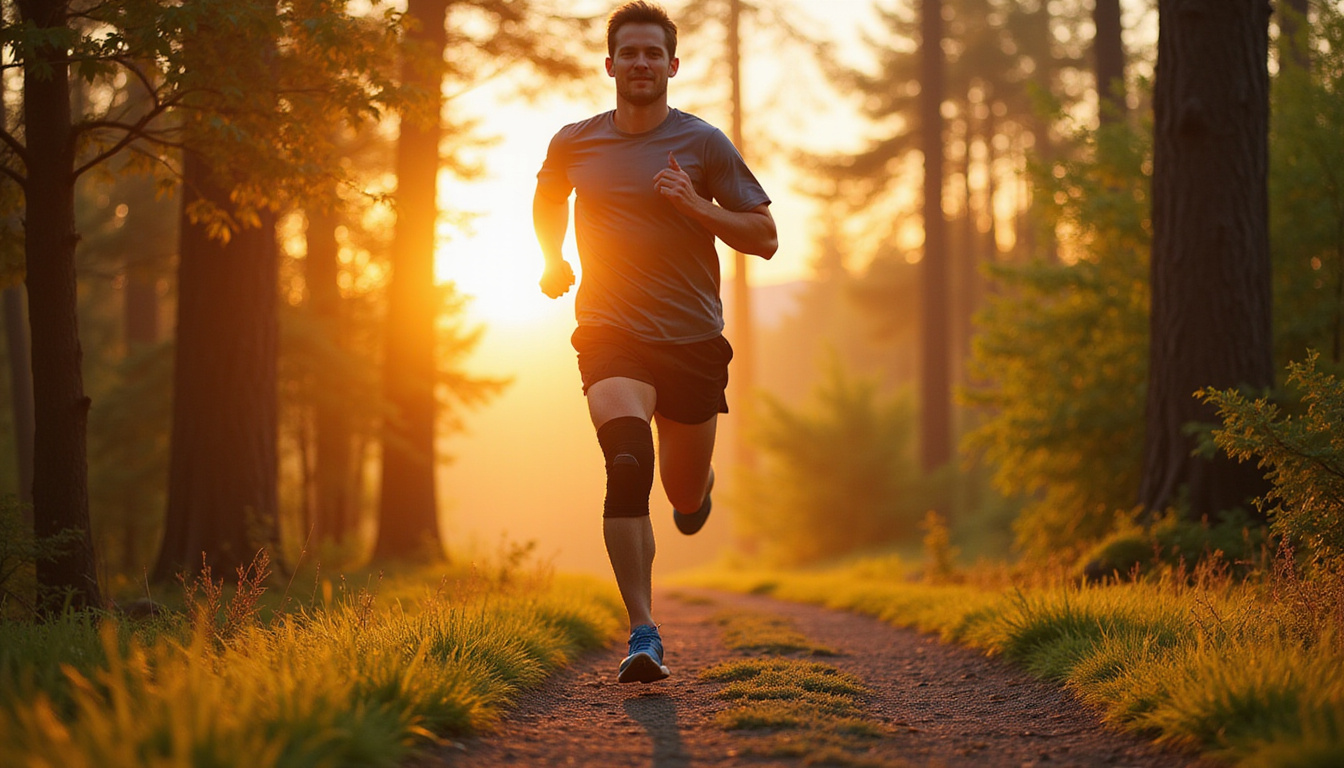
If you’ve had to cut back on mileage, dread stairs, or feel a sharp, nagging ache near your kneecap when you run, you may have runners knee. Many runners in Singapore face this knee pain just as their fitness improves. The good news is that you can fix it, protect your joints, and return to running—smarter and stronger—if you treat it right.
What Exactly Is Runner’s Knee?
“Runner’s knee” is a common name for pain around or behind the kneecap (patellofemoral pain syndrome). You feel discomfort when you:
• Go down stairs or slopes
• Squat or kneel
• Sit with bent knees for long time (like in meetings or movies)
It often feels like:
• A dull ache around or behind the kneecap
• A “grinding” or “rough” sensation when you bend and straighten
• Stiffness after sitting or running
• A sharp twinge when you change direction suddenly
In Singapore, hard concrete, park connectors, and hilly routes like MacRitchie and Mount Faber stress your knees even more if your muscles or alignment are off.
Why Your Knees Start Complaining
Runner’s knee does not come from your knees being “spoilt” or "degenerating overnight." It often comes from overload plus an imbalance.
Common reasons runners in Singapore develop runner’s knee include:
-
A sudden jump in mileage or intensity
• You sign up for a 10K, half marathon or Standard Chartered Marathon and increase training too fast.
• You add hill sprints, stair climbs, or intervals without proper buildup. -
Weak hip and glute muscles
• When your glutes do not fire well, your thigh and knee take more load.
• This may cause your knee to cave in (knee valgus) and overload your kneecap. -
Tight quads, IT band, and calves
• Office workers who sit all day tend to have tight hip flexors and quads.
• Tight muscles pull the kneecap off-track, making that “rough” feeling. -
Foot and ankle issues
• Flat feet, overpronation, or old running shoes can cause problems.
• Running on slanted pavements or uneven park connectors also adds stress. -
Previous injuries or poor movement patterns
• Old ankle sprains, a weak core, or limping can shift load to the knee.
Your body sends a clear message: “Something needs to be fixed.”
Can You Run Through Runner’s Knee?
Many runners try to “tahan” the pain and keep training. That is risky.
Here is a simple rule:
• When pain is 0–2/10 and goes away soon after running, you can manage it with load adjustments.
• When pain is 3–5/10 or lasts for hours or the next day, you are likely irritating the tissues.
• When pain is over 5/10, sharp, or makes your knee feel unstable, lock or give way, stop and get an assessment.
If you feel knee pain on stairs, during squats, or when you rise from a chair, you need treatment that targets the problem—not just rest and ice.
Step-by-Step Relief Plan for Runner’s Knee
1. Calm the Irritation First (Don’t Skip This)
Before you strengthen your leg, calm the irritated tissues.
• First, cut back your mileage. This may mean:
– Running fewer sessions (from 5 days to 2–3 days), or
– Reducing distance and speed.
• Avoid high-stress moves like deep squats, lunges, jumping, or downhill running.
• Use ice after activities if your knee feels warm or swollen (for 10–15 minutes).
• Do gentle range-of-motion moves: bend and straighten the knee slowly without extra load.
This step is not giving up; it makes room for healing.
2. Fix the Root: Strength & Control
When your pain calms a bit, work on fixing underlying weaknesses.
Try this simple, knee-friendly routine (3–4 times each week, as long as it remains pain-free or only causes mild discomfort):
-
Side-lying leg raises (hip abduction)
• This move helps a weak glute medius, which is key for proper knee alignment. -
Glute bridges
• This exercise activates your glutes and supports your pelvis when running. -
Wall sits (short holds at a low angle)
• Wall sits strengthen the quads in a controlled manner; keep your knees behind your toes and reduce the angle if you feel pain. -
Clamshells
• This lifts your control over hip rotation, helping your knee track correctly. -
Calf raises
• This move supports your ankle and foot mechanics to reduce knee strain.
As you gain strength, progress to step-ups, step-downs, split squats, single-leg deadlifts, or controlled single-leg squats with support if needed.
If any exercise gives more than mild discomfort that lingers, modify or reduce the move.
3. Release Tight Muscles Pulling on the Kneecap
Self-release and stretch to ease the “tight and tugging” feeling around the knee:
• Use a foam roller on your:
– Quads (front of thigh)
– IT band (side of thigh; go gently)
– Glutes and piriformis
• Stretch your:
– Quadriceps
– Hip flexors
– Calves and hamstrings
These moves improve tissue quality and help your knee move smoothly.
4. Check Your Shoes, Surface, and Technique
Small changes can make a big difference:
• Shoes:
– Replace worn-out shoes after about 600–800 km.
– Get fitted at a running store and avoid fashion sneakers if you train hard.
• Surfaces:
– Mix your routes with tracks, park connectors, or soft trails.
– Do not run only on hard concrete or cambered roads.
• Cadence:
– You may benefit from increasing your steps per minute (for example, from 160 to around 170–175).
– This shortens your stride and reduces the load on your knees.
A physiotherapist who knows running well can check your gait and advise you on changes.
5. Return-to-Running Plan After Runner’s Knee
Don’t jump from rest to a long run at once. Try a gradual plan:
- Start with walk–jog intervals, for example:
– Jog for 1 minute and walk for 2 minutes; repeat 8–10 times. - If your knee handles this without pain during or after the run, try:
– Jog for 2 minutes and walk for 1–2 minutes. - Increase your total running time by about 10–15% each week.
- Add hills, speed work, or longer runs only after you can run 30–40 minutes easily without pain.
Always listen to your knee, not just your training plan.
Why Many Runners in Singapore Struggle to Fix Runner’s Knee Alone
You might find many online tips, but many people still have problems because:
• They do not know which muscles are weak and end up strengthening the wrong ones.
• They are unsure if the pain comes from the cartilage, tendon, fat pad, or even from the hip or back.
• They cannot tell if their pain is normal or if they are pushing too fast.
• Their knee pain may be part of a larger issue with the hip, ankle, or lower back.
This is where an experienced, sports-focused physiotherapy team really helps.
How The Pain Relief Practice Helps Runners with Knee Pain
The Pain Relief Practice is a specialist pain treatment center in Singapore. Since 2007, we have helped people with joint and muscle issues to:
• Solve stubborn pain
• Restore healthy joints and muscles
• Improve performance and life enjoyment
We have treated celebrities, national athletes, and everyday runners who need strong knees for competition, filming, or simply staying fit.
When you visit with runner’s knee, our plan often includes:
-
Detailed Assessment
• We look at your running history, training load, and past injuries.
• We examine your knee, hip, ankle, and lower back by hand.
• We test your function with moves like a single-leg squat, step-down, balance, and checking your movement patterns. -
Targeted Treatment
• We use manual therapy and joint mobilization to improve how your knee and kneecap move.
• We perform soft-tissue release on tight quads, IT band, calves, and glutes.
• We give you specific exercises to address your imbalances.
• We work on neuromuscular control to improve your movement—not just strength. -
Performance-Focused Rehab
• We advise on gait and running form.
• We design a progressive loading program to help you return to your desired distance and pace.
• We educate you on preventing future flare-ups and finding the sweet spot in training.
Our goal is not only to remove your pain but also to help you run efficiently and with confidence.
Real Results
Celebrities & National Athletes
When Should You Seek Professional Help for Runner’s Knee?
See a specialist if:
• Your pain lasts more than 2–3 weeks despite rest and simple exercises.
• You feel the knee catch, lock, or give way.
• Generic YouTube exercises have not improved your pain.
• You are training for a race and need a clear, safe plan to get back to training.
• You have had repeated knee pain flare-ups over months or years.
A proper assessment can rule out other conditions such as meniscus tears, ligament issues, or arthritis. Evidence-based physiotherapy is recommended by international guidelines as the first step in treating patellofemoral pain (source: British Journal of Sports Medicine).
Simple Checklist: Are You Ready to Start Running Again?
Before you return to regular training, check that you can:
• Walk briskly for 30 minutes without knee pain.
• Climb up and down a flight of stairs without sharp discomfort.
• Do 10–15 single-leg squats without pain, even if you feel a little unsteady.
• Complete your prescribed strengthening and control exercises with good form.
• Run easily for 20–30 minutes on flat ground without a pain flare the next day.
If you are not there yet, you do not have to fix it alone. This is exactly what we help runners with every day at The Pain Relief Practice.
Our Google Profile
You can learn more about The Pain Relief Practice and read patient reviews here:
https://share.google/UwMU2I9zUCwXVh0Lg
FAQ: Runner’s Knee, Running Pain & Recovery
1. Is runner’s knee serious, and can it lead to long-term damage?
Runner’s knee mostly comes from overload and imbalance, not from permanent damage. Left untreated, it can change how you move and stress other joints. With the right rest, exercises, and treatment, most people recover and return to running without long-term problems.
2. How long does runner’s knee take to heal?
Mild cases usually improve within 2–4 weeks with proper rest, exercises, and technique adjustments. More stubborn pain may last 6–12 weeks or longer, especially if multiple factors (like hip weakness, foot mechanics, or training errors) are involved. A personalized plan speeds up recovery and lowers the risk of relapse.
3. Can I prevent runner’s knee from coming back?
Yes, you can prevent runner’s knee by addressing its causes. This means you should:
• Continue hip, glute, and quad strengthening
• Increase mileage gradually
• Vary your running surfaces and wear proper shoes
• Listen to early warning signs such as pain when climbing stairs, squatting, or sitting for long periods
At The Pain Relief Practice, we design long-term maintenance strategies so your knees stay strong as you run, train, and enjoy an active life in Singapore.
If your runners knee stops you from doing what you love, you do not have to live with it. With the right diagnosis, targeted treatment, and a progressive plan, you can ease your pain and run with confidence.
We are a specialized physio treatment center for savvy people who want real results.
While we are not suitable for someone looking for ‘cheap physiotherapy’ or ‘free exercises available on youtube’, our treatments are affordable and are often claimable with company flexi-benefits, company health insurance, travel insurance, personal accident insurance, and other insurance plans.
Simply whatsapp or call: +65 97821601 and let us know how to help.
If you prefer a convenient nutritional preventive option, Regenerix Gold is our top recommended joint supplement.
We have been recommending this joint supplement for over a decade.
Simply start with 3 capsules, once a day.
If you do not feel better within a week, increase to 2 capsules, twice a day. (4 capsules a day in total)
Our blog readers qualify for a special discount.
Simply use the link below and a discount will automatically be applied during checkout.

 PROVIDING FAST, EASY & INSURANCE CLAIMABLE PAIN RECOVERY SINCE 2007