Runner’s knee, or patellofemoral pain syndrome, is an increasingly common condition among sports enthusiasts and athletes, particularly in a vibrant city like Singapore. If you’re dealing with this unwelcome discomfort, you might be searching for ‘runner’s knee physio near me’ to regain your mobility and return to your passion. This article offers an in-depth look at runner’s knee, including its causes and symptoms, the critical role physiotherapy plays in its treatment, and how to find the right physiotherapist for your needs. Let’s dive into this journey towards recovery, ensuring you can get back to enjoying the activities you love with confidence.

Key Takeaways
- Runner’s knee is commonly caused by overuse, misalignment, or injury, leading to pain around the kneecap.
- Physiotherapy plays a crucial role in alleviating pain and promoting recovery from runner’s knee.
- Finding a local runner’s knee physio involves checking qualifications, reviews, and ensuring they specialize in knee injuries.
- During physiotherapy sessions, expect a personalized treatment plan that may include exercises, manual therapy, and education.
- Managing runner’s knee at home can be supported by rest, ice, compression, and specific strengthening exercises.
Understanding Runner’s Knee: Causes and Symptoms
Runner’s knee, clinically known as patellofemoral pain syndrome, is a common ailment among avid runners and athletes. This condition typically manifests as pain around or behind the kneecap and can stem from various factors, including overuse, misalignment of the knee joint, or weak supporting muscles. Understanding the causes and symptoms of runner’s knee is crucial for anyone experiencing discomfort while running or performing activities that involve repetitive knee motions.
### Causes of Runner’s Knee
1. Overuse: Engaging in excessive training or sudden increases in mileage can lead to discomfort.
2. Muscle Imbalances: Weak quadriceps, hamstrings, or hip muscles can affect knee alignment, resulting in pain.
3. Biomechanical Issues: Flat feet, uneven leg length, or improper foot positioning can contribute to stress on the knee.
4. Previous Injuries: Previous knee injuries can increase vulnerability to runner’s knee.
### Symptoms of Runner’s Knee
• Pain around the knee, especially during bending or climbing stairs
• Swelling and tenderness
• A grinding or popping sensation when moving the knee
• Increased pain after sitting for extended periods
If you find yourself experiencing signs of runner’s knee, searching for ‘runner’s knee physio near me’ can help you connect with physiotherapy specialists who can assess your condition and tailor an effective treatment plan. At The Pain Relief Practice, we have established ourselves as one of Singapore’s leading physiotherapy clinics since 2007, providing effective solutions and personalized care for patients suffering from various musculoskeletal issues, including runner’s knee.
The Role of Physiotherapy in Treating Runner’s Knee
### The Role of Physiotherapy in Treating Runner’s Knee
For individuals in Singapore grappling with the discomfort associated with runner’s knee, finding effective treatment options is crucial for regaining mobility and alleviating pain. Runner’s knee, or patellofemoral pain syndrome, often manifests as a dull pain around the front of the knee, typically exacerbated by activities such as running, squatting, or climbing stairs. This condition is often due to overuse, improper biomechanics, or muscle imbalances that can lead to significant discomfort.
In this context, searching for ‘runner’s knee physio near me’ can lead you to effective and specialized care that can significantly improve your condition. At The Pain Relief Practice, our experienced physiotherapists employ a combination of assessment tools and tailored rehabilitation programs designed to address not just the symptoms but also the underlying causes of your pain. This holistic approach not only ensures pain relief but also strengthens the knees and enhances overall mobility.
Our physiotherapy interventions may include manual therapy, targeted exercises, and modalities such as ultrasound or electrical stimulation. This multifaceted treatment path fosters recovery and paves the way for sustainable long-term benefits. As we advance through our physiotherapy program, our aim is to empower you with strategies that can help you prevent the recurrence of runner’s knee, enabling you to return to your favorite activities with confidence.
‘The greatest glory in living lies not in never falling, but in rising every time we fall.’ – Nelson Mandela
How to Find the Right Runner’s Knee Physio Near You
Finding the right runner’s knee physio near me can be a daunting task, especially when you’re experiencing discomfort that can hinder your performance and overall enjoyment of activities. It’s crucial to find a physiotherapy clinic that specializes in treating musculoskeletal pain, particularly for runners who are prone to knee injuries. Here are some helpful tips to ensure you select the best physiotherapist for your needs:
1. Research Local Clinics: Start by looking for physiotherapy clinics in your area that have good reviews and are known for their expertise in treating runner’s knee. Websites like Google My Business provide insights from former patients about their experience.
2. Check Qualifications: Ensure that the physiotherapists are certified and have specialized training in sports physiotherapy, particularly for running injuries. This is especially important as they’ll be familiar with the specific demands runners face.
3. Consult with Peers: Ask fellow runners or sports enthusiasts if they can recommend a reputable physiotherapist. Personal testimonials can be invaluable in narrowing down options.
4. Inquire About Treatment Plans: When you find a clinic that seems promising, inquire about their approach to treating runner’s knee. Look for clinics that offer comprehensive treatment plans, including manual therapy, exercise therapy, and possibly modalities like acupuncture or ultrasound.
5. Evaluate the Facility: If possible, visit the facility. A well-equipped clinic with a welcoming environment can make your treatment experience more comfortable.
By taking these steps, you can find the right runner’s knee physio near me, ensuring you receive effective management of your symptoms and strategies to prevent recurrence.
What to Expect During Your Physiotherapy Sessions
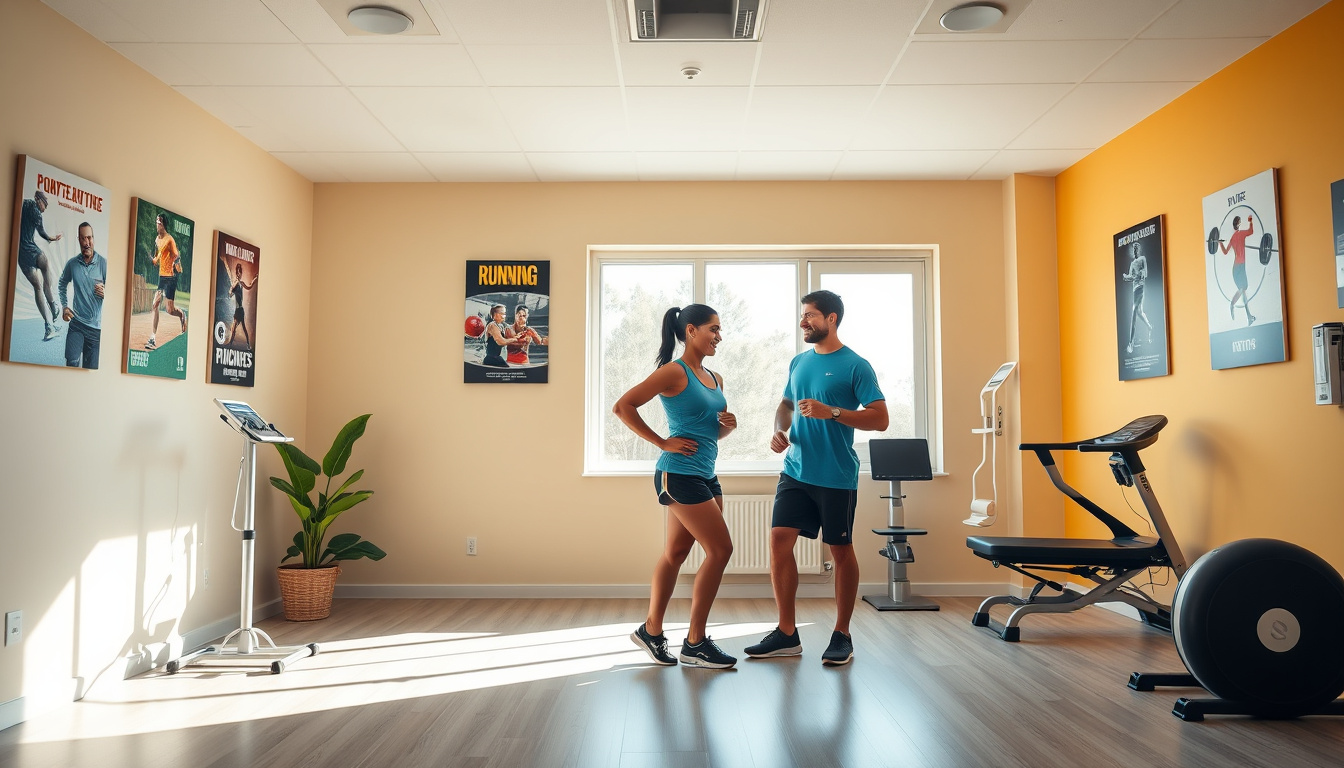
When you’re searching for ‘runner’s knee physio near me,’ it’s essential to understand what to expect during your physiotherapy sessions. At The Pain Relief Practice, we specialize in treating debilitating conditions like runner’s knee, ensuring our approach is tailored to your specific needs. Your journey typically begins with a comprehensive assessment by our experienced physiotherapists, who will evaluate your mobility, pain levels, and any musculoskeletal discomfort you may be experiencing. Following the assessment, we’ll design a customized treatment plan that may include techniques such as manual therapy, strength training, and flexibility exercises to alleviate your knee pain and enhance your overall performance. Throughout the sessions, our focus will be on restoring function and reducing pain, allowing you to return to your favorite activities without limitation. With our dedicated staff and state-of-the-art facilities, you’ll be in the best hands as you work towards recovery.
Tips for Managing Runner’s Knee at Home
### Tips for Managing Runner’s Knee at Home
If you’re among the many runners in Singapore dealing with the discomfort of runner’s knee, you may be searching for effective at-home management strategies. Managing this common condition requires a combination of self-care techniques designed to alleviate pain and strengthen the knee joint. Here are some actionable tips to help you deal with runner’s knee:
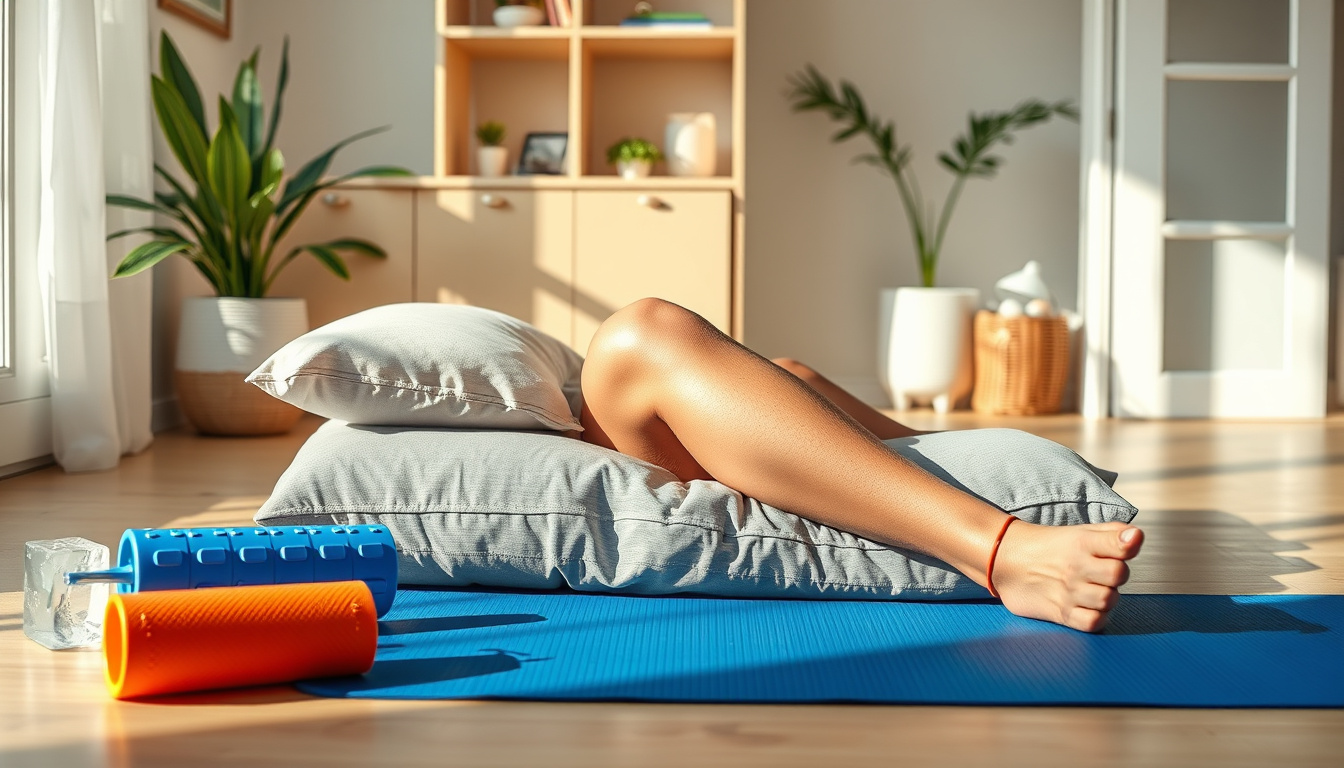
1. R.I.C.E. Method: Implement the R.I.C.E. approach—Rest, Ice, Compression, and Elevation—to reduce inflammation and promote healing. Rest your knee, apply ice for 20 minutes several times a day, use a compression bandage, and elevate your leg to minimize swelling.
2. Modify Your Running Routine: Adjust your running habits by gradually increasing your mileage and incorporating rest days into your training schedule. Avoid running on hard surfaces and consider cross-training on low-impact activities like swimming or cycling.
3. Strengthening Exercises: Focus on strengthening the muscles surrounding your knee. Target your quadriceps, hamstrings, and calf muscles. Exercises such as straight-leg raises, wall sits, and calf raises can help build stability.
4. Stretching: Regular calf and hamstring stretching can promote flexibility and reduce tension on the knee joint. Incorporate a gentle stretching routine before and after your runs.
5. Check Your Footwear: Ensure you’re wearing proper running shoes that offer adequate support for your foot type. Ill-fitting shoes can exacerbate knee pain, so consider getting a fitting from a reputable store that specializes in running gear.
By incorporating these strategies at home, you can better manage your runner’s knee while keeping your spirits up and continuing your passion for running.
We are a specialized physio treatment center for savvy people who want real results.
While we are not suitable for someone looking for ‘cheap physiotherapy’ or ‘free exercises available on youtube’, our treatments are affordable and are often claimable with company flexi-benefits, company health insurance, travel insurance, personal accident insurance, and other insurance plans.
Simply whatsapp or call: +65 97821601 and let us know how to help.
If you prefer a convenient nutritional preventive option, Regenerix Gold is our top recommended joint supplement.
We have been recommending this joint supplement for over a decade.
Simply start with 3 capsules, once a day.
If you do not feel better within a week, increase to 2 capsules, twice a day. (4 capsules a day in total)
Our blog readers qualify for a special discount.
Simply use the link below and a discount will automatically be applied during checkout.