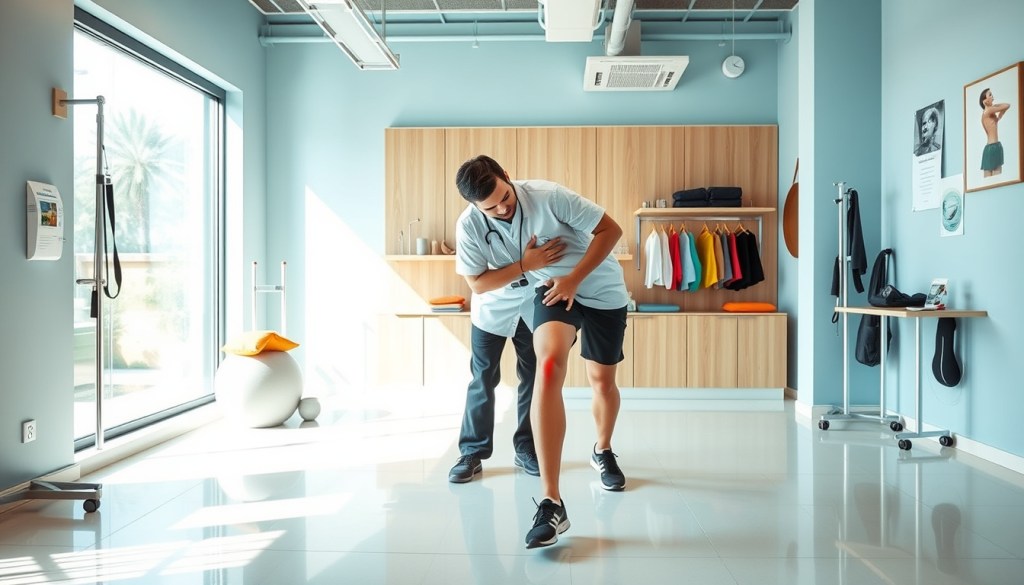
If you’re experiencing discomfort in your knees while running, you may be suffering from ‘runner’s knee,’ a common condition that affects many athletes and fitness enthusiasts. As a leading solution for joint pain, our ‘runner’s knee physiotherapist Singapore’ is here to help you regain mobility, prevent further discomfort, and enhance your performance. Understanding the causes and symptoms of runner’s knee is essential for effective treatment, which is where expert physiotherapy comes in. In this article, we will explore the causes and symptoms of runner’s knee, the vital role of physiotherapy in your recovery, what to expect during your sessions, tips for selecting the right professional, and strategies for preventing runner’s knee in the future.
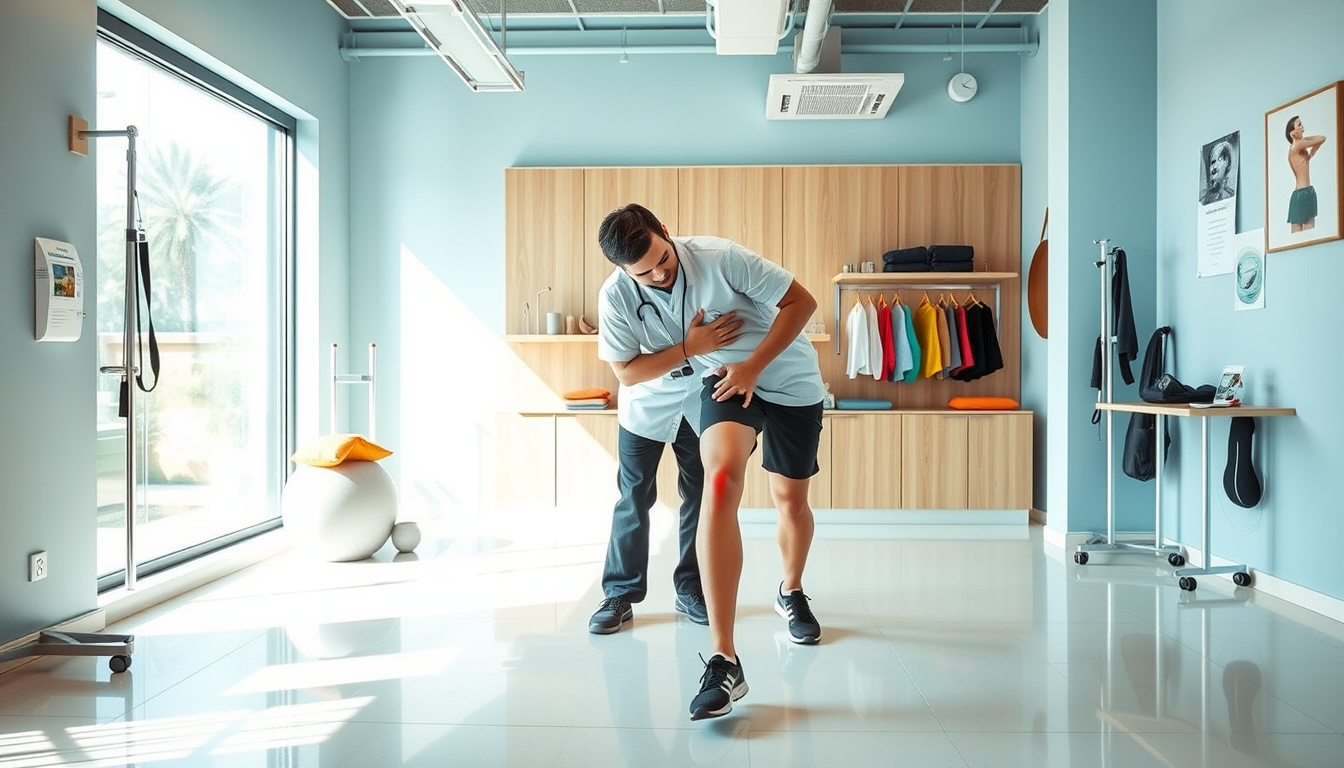
Key Takeaways
- Runner’s knee is a common injury among athletes, characterized by pain around the kneecap.
- Physiotherapy plays a crucial role in effectively treating runner’s knee and alleviating symptoms.
- During physiotherapy sessions, patients can expect personalized treatment plans and guided exercises.
- Selecting the right runner’s knee physiotherapist in Singapore is vital for effective recovery and rehabilitation.
- Preventative measures, such as proper footwear and strength training, can help reduce the risk of developing runner’s knee again.
Understanding Runner’s Knee: Causes and Symptoms
Understanding Runner’s Knee: Causes and Symptoms
Runner’s knee, also known as patellofemoral pain syndrome (PFPS), is a common condition that many individuals, especially those active in sports or running, experience. This condition results in discomfort around the kneecap, leading to disruptions in everyday activities. If you’re in Singapore and looking for effective treatment options, consulting with a runner’s knee physiotherapist can provide the specialized care required to alleviate your symptoms and help you return to your active lifestyle.
### What Causes Runner’s Knee?
Runner’s knee can stem from various factors, making it important to diagnose the specific cause contributing to your symptoms. Common causes include:
1. Overuse: Frequent running or high-impact sports can lead to the overuse of knee tissues, particularly the tendons and ligaments.
2. Muscle Imbalances: Weakness in the muscles surrounding the knee joint can affect its stability, leading to misalignment and resulting discomfort.
3. Poor Running Form: Improper biomechanics, including how you strike the ground or the shoes you wear, can impact the alignment of your knee.
4. Injuries: Previous knee injuries can predispose you to runner’s knee, especially if they have affected the alignment or movement patterns of the knee.
5. Age: As we age, natural wear and tear on the cartilage surrounding the knee may contribute to increased risk.
Understanding these causes is essential for anyone experiencing runner’s knee symptoms, as targeted interventions can reduce pain and promote recovery.
### Recognizing Symptoms of Runner’s Knee
Identifying the signs of runner’s knee early is crucial for effective treatment. Key symptoms may include:
• Gradual Pain: Pain that develops gradually in and around the kneecap, often worsening during activities like running, squatting, or climbing stairs.
• Swelling: Mild swelling around the knee joint may occur, contributing to discomfort and reduced mobility.
• Clicking or Popping: Some patients report a sensation of clicking or popping within the knee during motion.
• Instability: A feeling of instability in the knee can arise, making it difficult to perform physical activities.
• Pain Relief while Resting: Patellar pain may subside with rest but return upon resuming activities.
For those suffering from these symptoms, visiting a runner’s knee physiotherapist in Singapore can optimize recovery strategies tailored to individual needs.
### Why Consult a Physiotherapist?
A runner’s knee physiotherapist will conduct a thorough assessment to identify the root cause of your pain. Treatment often includes:
• Strengthening Exercises: Building strength in the hamstrings, quadriceps, and hip muscles to support knee stability.
• Stretching Regimens: Instructing on proper stretching techniques to alleviate tightness in the surrounding muscles.
• Manual Therapy: Applying hands-on techniques to reduce pain and improve joint mobility.
• Biomechanical Analysis: Assessing running form to make necessary adjustments that will prevent re-injury.
• Education:Offering lifestyle advice and safe return-to-running plans to avoid future flare-ups.
Choosing The Pain Relief Practice allows you to engage with experienced physiotherapists who understand your unique needs. Here, we’ve successfully treated numerous clients, including celebrities and national athletes, since 2007, making us an established physiotherapy clinic in Singapore.
### Real Results
Our approach consistently yields real results in treating runner’s knee and restoring function to our patients. Discover how individuals have benefited from our specialized techniques:
### Conclusion
If you’re in Singapore experiencing discomfort related to runner’s knee, don’t let it hinder your performance or enjoyment of life. Reach out to The Pain Relief Practice to regain healthy joints and muscles, boosting your overall physical well-being.
### FAQ Section
Q1: How can a runner’s knee physiotherapist help?
Physiotherapists specialize in identifying the underlying causes of knee pain and providing tailored treatment to address runner’s knee effectively.
Q2: Is runner’s knee a serious condition?
While not typically serious, if left untreated, runner’s knee can lead to chronic pain and further complications. Early intervention is key.
Q3: What are the best exercises for runner’s knee recovery?
Common exercises include leg raises, hamstring stretches, and hip strengthening routines, all tailored by a physiotherapist to fit your condition.
The Role of Physiotherapy in Treating Runner’s Knee
### The Role of Physiotherapy in Treating Runner’s Knee
If you’re experiencing symptoms of runner’s knee, you’re not alone. This common condition, medically known as patellofemoral pain syndrome, often afflicts runners and athletes but can also affect those less active. In Singapore, many people suffer from discomfort related to their joints and muscles, and consulting a runner’s knee physiotherapist can be an effective step toward recovery. A specialized physiotherapy approach not only addresses pain but also helps in rehabilitating the knee, enabling you to return to your favorite activities pain-free.
A skilled physiotherapist will first assess your symptoms, underlying causes, and individual biomechanics to develop a customized treatment plan. This may include a combination of manual therapy, targeted exercises, and education on proper running techniques. The goal is to alleviate pain while also strengthening the muscles around the knee joint, providing long-term stability and increased range of motion.
Moreover, physiotherapy plays a crucial role in identifying risk factors—whether they are related to biomechanics, muscle strength imbalances, or running form—that contribute to the development of runner’s knee. By addressing these factors, you can reduce the likelihood of recurrence in the future. With the support of a professional in Singapore, you can navigate your recovery journey more effectively, achieving not just relief but also enhanced performance.
‘It is your own determination and persistence that will promote your healing and give you the strength to overcome adversity.’ – Unknown
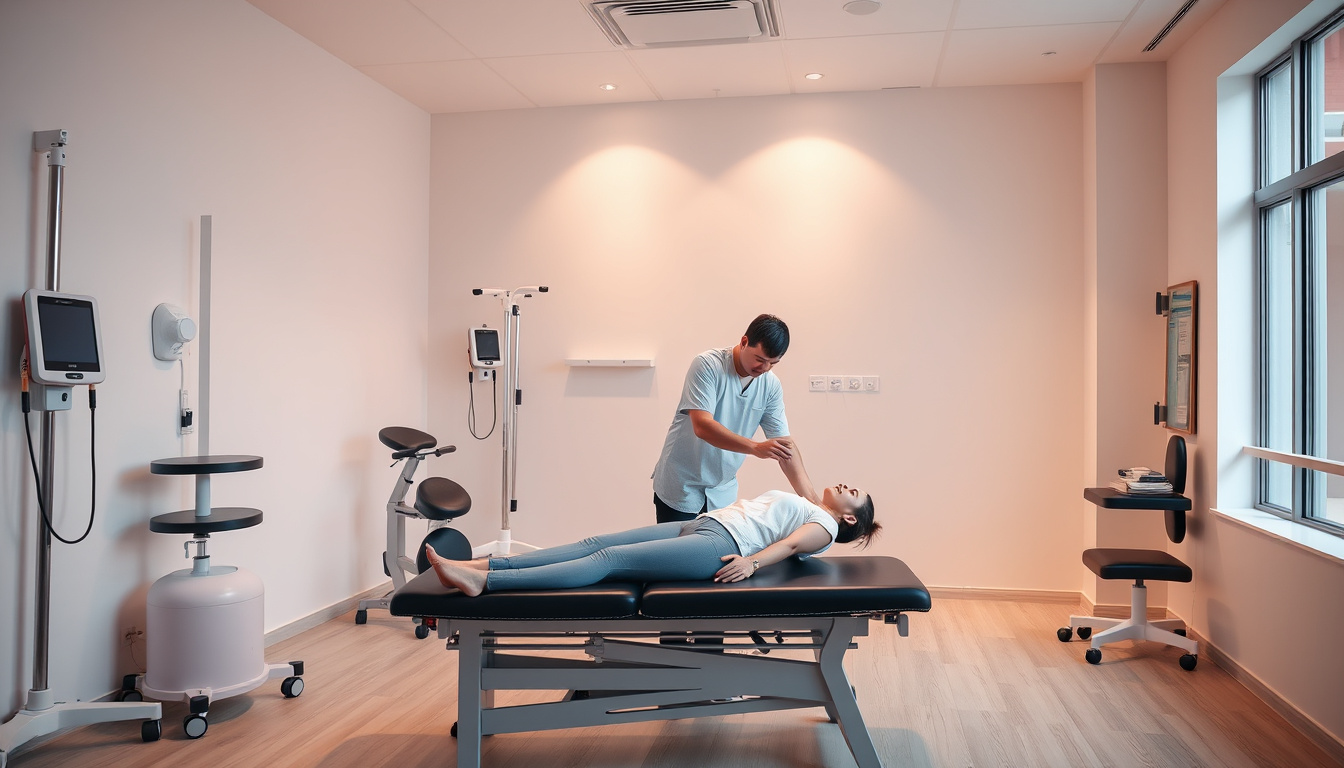
What to Expect During Your Physiotherapy Sessions
Physiotherapy sessions for runner’s knee in Singapore are designed to be comprehensive, addressing both the immediate discomfort and the underlying issues contributing to your condition. Here’s what you can typically expect during your visits:
1. Initial Assessment: Your physiotherapist will start with a thorough evaluation of your knee, medical history, and lifestyle. This first step is crucial in diagnosing the extent of runner’s knee and tailoring a treatment plan that suits your needs.
2. Customized Treatment Plan: Based on the assessment, the physiotherapist will develop a personalized treatment plan. This may involve a combination of manual therapy, exercise therapy, and education on proper running techniques to prevent recurrence.
3. Hands-On Treatment: Expect your sessions to include hands-on treatment modalities aimed at relieving pain, improving tissue mobility, and enhancing joint function. Techniques may include soft tissue mobilization, joint manipulations, and stretching.
4. Strengthening Exercises: A critical component of rehabilitation for runner’s knee is strengthening the surrounding muscles. Your physiotherapist will guide you through specific exercises to build strength in your quadriceps, hamstrings, and hip muscles, which can help support your knee better.
5. Home Exercise Program: Alongside in-clinic treatments, you will likely receive a home exercise program designed to maintain your progress. These exercises are integral to ensuring you can manage your symptoms independently and return to running safely.
6. Progress Evaluation: Throughout your treatment journey, your physiotherapist will regularly evaluate your progress and make necessary adjustments to your program. This ongoing assessment ensures that you are on track to meet your rehabilitation goals.
Choosing the Right Runner’s Knee Physiotherapist in Singapore
When it comes to tackling the discomfort of runner’s knee, choosing the right physiotherapist is crucial, especially in Singapore where a range of options are available. A specialized runner’s knee physiotherapist in Singapore understands the unique demands placed on your joints by running and other activities. When selecting the right physiotherapist, consider these factors:
1. Experience and Specialization: Ensure the physiotherapist has specific experience treating runner’s knee and understands the biomechanics of running. Look for a practitioner who specializes in sports rehabilitation.
2. Treatment Techniques: Inquire about the types of treatment methods they employ. A combination of manual therapy, strength training, and modalities like ultrasound or electrotherapy can be beneficial for your condition.
3. Reputation and Results: Take time to read reviews and ask for recommendations. A physiotherapist who has successfully treated previous patients with runner’s knee will likely provide you with the outcomes you desire.
4. Personalized Approach: Each individual’s body responds differently to treatment. A great physiotherapist will take the time to assess your specific symptoms and develop a tailored treatment plan.
5. Follow-Up and Support: Look for a practice that offers ongoing support and follow-up sessions to ensure your rehabilitation plan continues to adapt as your condition improves.
The Pain Relief Practice is regarded as one of Singapore’s most established physiotherapy centers, with over a decade of experience and a track record of treating conditions such as runner’s knee effectively. Our advanced, evidence-based approaches have helped numerous athletes, including celebrities and national sports figures, return to their active lifestyles pain-free.

Tips for Preventing Runner’s Knee in the Future
### Tips for Preventing Runner’s Knee in the Future
As a runner or someone who engages in regular physical activity, you understand that injuries like runner’s knee can hinder your progress and enjoyment of fitness. Fortunately, there are several proactive steps you can take to prevent this common condition, especially when working with a specialized runner’s knee physiotherapist in Singapore. Here are some key tips to keep your joints healthy and pain-free:
1. Strength Training: Incorporate strength training exercises to enhance the muscles that support your knees. Focus on the quadriceps, hamstrings, and hip muscles to create stability.
2. Proper Warm-Up: Always begin your workout with a proper warm-up to prepare your muscles and joints for the physical activity ahead. Dynamic stretches and light jogging can be beneficial.
3. Choose Appropriate Footwear: Invest in high-quality running shoes that provide the necessary support and cushioning. Make sure they suit your foot type and running style, and replace them regularly to avoid wear and tear.
4. Increase Mileage Gradually: Avoid sudden increases in your running distance or intensity. A slow and steady approach helps prevent overuse injuries, including runner’s knee.
5. Cross-Training: Engage in low-impact activities such as swimming or cycling to give your knees a break while still maintaining fitness.
6. Flexibility Training: Incorporate flexibility exercises into your routine. Regularly stretching your leg muscles can help maintain optimal flexibility and reduce stiffness.
7. Listen to Your Body: Pay attention to any signs of discomfort or pain. If you experience symptoms related to runner’s knee, consult a physiotherapist as soon as possible to develop an effective rehabilitation plan.
8. Regular Physical Assessments: Schedule periodic check-ups with a physiotherapist, even when you are not injured. They can identify any potential risks and suggest preventive measures.
We are a specialized physio treatment center for savvy people who want real results.
While we are not suitable for someone looking for ‘cheap physiotherapy’ or ‘free exercises available on youtube’, our treatments are affordable and are often claimable with company flexi-benefits, company health insurance, travel insurance, personal accident insurance, and other insurance plans.
Simply whatsapp or call: +65 97821601 and let us know how to help.
If you prefer a convenient nutritional preventive option, Regenerix Gold is our top recommended joint supplement.
We have been recommending this joint supplement for over a decade.
Simply start with 3 capsules, once a day.
If you do not feel better within a week, increase to 2 capsules, twice a day. (4 capsules a day in total)
Our blog readers qualify for a special discount.
Simply use the link below and a discount will automatically be applied during checkout.