
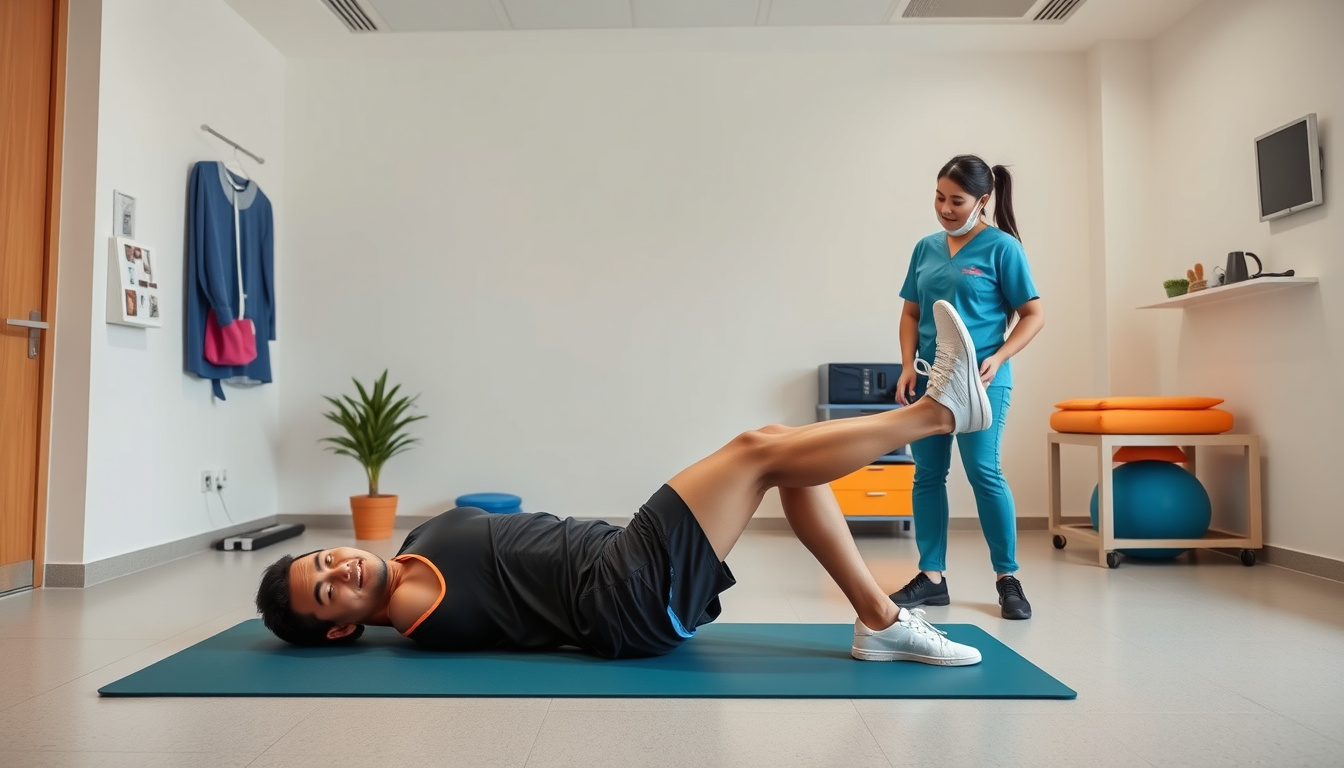
Runner’s knee, medically known as patellofemoral pain syndrome, is a common condition that affects many athletes and active individuals in Singapore. If you’re experiencing discomfort in your knees when running, squatting, or climbing stairs, it’s crucial to explore physiotherapy for runner’s knee in Singapore. Not only can physiotherapy help alleviate pain, but it also plays a vital role in restoring function and preventing future injuries. This guide will delve into the causes and symptoms of runner’s knee, the effective physiotherapy techniques for recovery, and how to protect yourself from this frustrating condition.
Key Takeaways
- Runner’s knee is commonly caused by overuse, misalignment, or weak muscles.
- Physiotherapy plays a crucial role in alleviating symptoms and enhancing recovery for runner’s knee.
- Effective physiotherapy techniques include strengthening exercises, manual therapy, and ultrasound treatment.
- Preventative measures such as proper footwear and stretching can significantly reduce the risk of developing runner’s knee.
- Choosing a qualified physiotherapist in Singapore is essential for tailored treatment plans and optimal recovery.
Understanding Runner’s Knee: Causes and Symptoms
Runner’s knee, medically known as patellofemoral pain syndrome, is a common condition that many athletes and active individuals in Singapore experience. The discomfort often stems from an imbalance or overstrain in the muscles around the knee, leading to pain and limited mobility. Understanding the primary causes and symptoms of runner’s knee is crucial for anyone involved in high-impact sports or activities that require repetitive motions, such as running, cycling, or even climbing stairs.
### Causes of Runner’s Knee
There are several factors that contribute to the development of runner’s knee, including:
1. Muscle Imbalances: Weakness in hip or thigh muscles can cause misalignment of the kneecap, leading to pain.
2. Overuse: Excessive activity without proper rest can strain the knee joint, particularly if you’re engaging in higher mileage runs or intense training sessions.
3. Improper Footwear: Worn-out running shoes or shoes that do not provide adequate support can exacerbate knee problems.
4. Tight Muscles: Tight hamstrings, calves, or quadriceps can increase stress on the knee joint, leading to discomfort.
5. Previous Injuries: Past injuries to the knee or lower body can predispose you to developing runner’s knee due to altered movement patterns.
### Symptoms of Runner’s Knee
Identifying runner’s knee is often straightforward thanks to its recognizable symptoms. Individuals may experience:
• Knee Pain: A dull or sharp pain around the kneecap, especially when bending the knee or during activities like climbing stairs.
• Swelling: Some may notice swelling around the knee joint, particularly after activity.
• Popping Sounds: A sensation of popping or grinding in the knee while moving can indicate underlying issues.
• Pain During Activity: Discomfort typically intensifies during physical activities and may improve with rest.
Recognizing these signs early is key to seeking the right physiotherapy for runner’s knee in Singapore. With the proper treatment and rehabilitation plan at The Pain Relief Practice, many individuals can manage their symptoms effectively and return to their preferred activities without pain.
The Role of Physiotherapy in Treating Runner’s Knee
### The Role of Physiotherapy in Treating Runner’s Knee
Runner’s knee, medically known as patellofemoral pain syndrome (PFPS), is a common ailment affecting individuals in Singapore, particularly athletes and active people. This condition manifests as pain around the kneecap, often exacerbated by physical activities like running, climbing stairs, or sitting for prolonged periods. Physiotherapy for runner’s knee in Singapore offers a targeted, effective approach to alleviate pain and restore mobility.
At The Pain Relief Practice, we understand the intricacies of musculoskeletal issues. Our physiotherapy programs focus on identifying the underlying problems contributing to your runner’s knee, which often includes muscle imbalances, poor biomechanics, or overuse injuries. Through personalized assessments, our seasoned physiotherapists devise tailored rehabilitation plans that may involve a combination of treatments such as manual therapy, strengthening exercises, and functional training. The goal is not only to relieve your current discomfort but also to prevent future injuries, encouraging a more balanced and pain-free lifestyle.
Utilizing advanced techniques and state-of-the-art equipment, our clinic has successfully treated many patients since our establishment in 2007, making us one of the most trusted physiotherapy centers in Singapore. We pride ourselves on the real results achieved by our patients, which can be seen in our comprehensive case studies. If you’re a runner experiencing any knee discomfort, physiotherapy could be your best course of action.
‘The only limit to our realization of tomorrow will be our doubts of today.’ – Franklin D. Roosevelt
Top Physiotherapy Techniques for Recovery
## Top Physiotherapy Techniques for Recovery
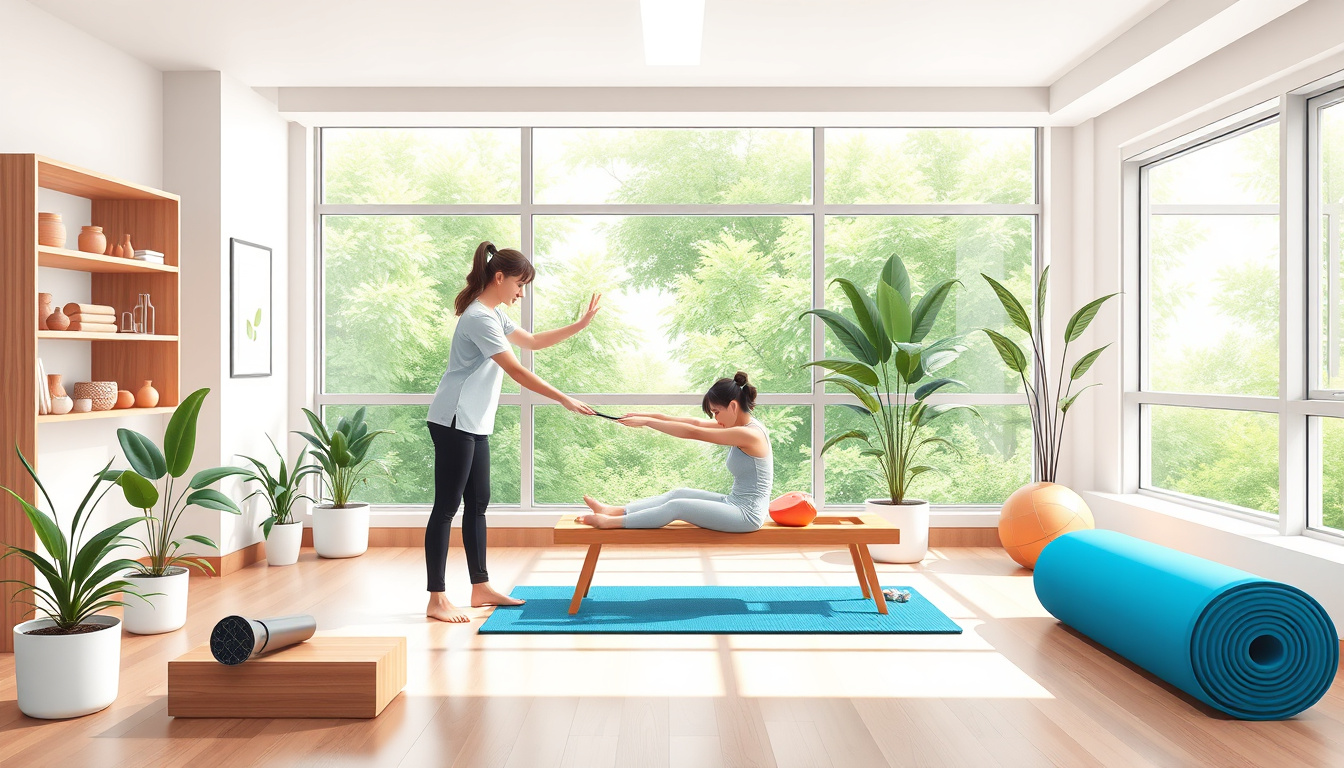
Experiencing discomfort associated with runner’s knee can be a significant hurdle for many athletes in Singapore. Thankfully, a range of effective physiotherapy techniques exist tailored for those suffering from this condition. Whether you are a seasoned runner or a beginner, the right treatment can make a world of difference in alleviating pain, reducing inflammation, and restoring functionality in your knee joints. Here are some of the top physiotherapy techniques for runner’s knee that we prioritize here at The Pain Relief Practice:
1. Manual Therapy: This approach involves skilled hands-on techniques such as soft tissue mobilization and joint manipulation. This treatment helps to release muscle tension, improve blood flow, and ultimately facilitate healing.
2. Exercise Rehabilitation: A personalized exercise program focused on strengthening the muscles supporting the knee can be pivotal. Specific exercises will target the quadriceps, hamstrings, and hip muscles, which are crucial for stabilizing the knee during activities.
3. Ultrasound Therapy: Utilizing sound waves, ultrasound therapy aids in reducing inflammation and promoting tissue healing. This non-invasive approach can penetrate deep into the affected areas, providing significant relief.
4. Taping Methods: Kinesiology taping is frequently employed to help support the knee without restricting its movement. This technique alleviates both pain and swelling while allowing patients to continue their routines with improved comfort.
5. Therapeutic Modalities: Heat, ice, and electrical stimulation (like TENS) can also be incorporated to manage pain and facilitate recovery.
Incorporating these physiotherapy treatments into your recovery plan can optimize healing and help prevent future injuries related to runner’s knee. If you’re seeking specialized care, The Pain Relief Practice has been at the forefront of treatment in Singapore since 2007, successfully guiding numerous athletes—including celebrities and national athletes—back to optimal performance.
Preventive Measures to Avoid Runner’s Knee
## Preventive Measures to Avoid Runner’s Knee
Runner’s knee, formally known as patellofemoral pain syndrome, is a common issue among athletes and casual runners alike. Pain and discomfort around the kneecap can significantly hamper your mobility and enjoyment of sports. When it comes to effective solutions, physiotherapy for runner’s knee in Singapore is gaining traction as a popular option for managing symptoms and enhancing recovery. To prevent this painful condition, here are some essential measures to consider that can keep your knees healthy and pain-free:
1. Proper Warm-Up and Stretching: Always incorporate a proper warm-up routine before your run. Dynamic stretches targeting the quadriceps, hamstrings, and calves can prepare your muscles and joints for the physical activity ahead, helping prevent injuries.
2. Strength Training: Building strength in your leg muscles, particularly the quadriceps, hamstrings, and glutes, can stabilize your kneecap and improve its alignment. Exercises like squats, lunges, and leg presses can enhance your overall strength and endurance.
3. Footwear Matters: Invest in a good pair of running shoes that provide adequate support and cushioning. Wearing the right shoes can significantly reduce the risk of knee pain and discomfort.
4. Cross-Training: Mixing various forms of exercise, such as cycling or swimming, into your routine can lessen the repetitive strain placed on your knees while still allowing for cardiovascular fitness.
5. Listen to Your Body: Be mindful of the signs your body gives you. If you start to feel discomfort in your knees during or after a run, it’s essential to address it promptly either with rest or by seeking physiotherapy for runner’s knee in Singapore.
6. Gradual Mileage Increase: Avoid the temptation to increase your running distance or intensity too quickly. A gradual approach to increasing miles allows your body to build the necessary strength without causing strain.
In summary, integrating these preventive measures into your running regime can be instrumental in avoiding runner’s knee. Regular visits to The Pain Relief Practice, where expert physiotherapists provide personalized treatment plans, can also play a pivotal role in your overall joint health. Since our establishment in 2007, we have successfully assisted countless Singaporeans, including celebrities and national athletes, in overcoming such pain challenges.
Finding the Right Physiotherapist in Singapore
# Finding the Right Physiotherapist in Singapore
If you’re dealing with runner’s knee, known medically as patellofemoral pain syndrome, it’s crucial to seek out the right physiotherapy for runner’s knee in Singapore. This common ailment can disrupt your lifestyle, making it difficult to enjoy sports and even simple activities like walking. The key to recovery lies in finding an experienced physiotherapist who specializes in treating this condition.
## Why Seek Physiotherapy?
Physiotherapy is a proven method for managing and alleviating pain associated with runner’s knee. A qualified physiotherapist will conduct a thorough assessment to identify the underlying issues contributing to your knee pain. They can offer tailored rehabilitation programs that focus on strengthening the muscles around the knee and improving flexibility, ultimately aiming to restore function and reduce discomfort.
## What to Look for in a Physiotherapist
When searching for a physiotherapist in Singapore, consider the following criteria to ensure you find the best fit for your specific needs regarding physiotherapy for runner’s knee:
1. Specialization: Look for physiotherapists who specialize in sports injuries or musculoskeletal disorders.
2. Experience: Understand how long they’ve been practicing and their experience treating runner’s knee specifically.
3. Approach: Ensure they offer a personalized treatment plan that adapts to your lifestyle and goals.
4. Facility: Consider the treatment environment; it should be equipped with modern facilities conducive to the healing process.
5. Client Testimonials: Look for reviews or testimonials from patients who have benefited from their services.
Finding the right physiotherapist can fast track your recovery and allow you to get back to the activities you love, pain-free. The Pain Relief Practice stands out in this regard, having treated numerous athletes and everyday individuals alike since 2007, making it one of the most established physiotherapy clinics in Singapore. Our focus on personalized care has helped countless patients regain their healthy joints and muscle function.
We are a specialized physio treatment center for savvy people who want real results.
While we are not suitable for someone looking for ‘cheap physiotherapy’ or ‘free exercises available on youtube’, our treatments are affordable and are often claimable with company flexi-benefits, company health insurance, travel insurance, personal accident insurance, and other insurance plans.
Simply whatsapp or call: +65 97821601 and let us know how to help.
If you prefer a convenient nutritional preventive option, Regenerix Gold is our top recommended joint supplement.
We have been recommending this joint supplement for over a decade.
Simply start with 3 capsules, once a day.
If you do not feel better within a week, increase to 2 capsules, twice a day. (4 capsules a day in total)
Our blog readers qualify for a special discount.
Simply use the link below and a discount will automatically be applied during checkout.
 PROVIDING FAST, EASY & INSURANCE CLAIMABLE PAIN RECOVERY SINCE 2007