
If you’ve lived in Singapore and suffer from chronic, nagging back pain that will not quit, working with a registered physiotherapist can change your life. Whether your lower back “locks up” after sitting too long, your spine feels “jammed” in the morning, or you reach for painkillers and muscle rubs, there are smarter, evidence-based ways to treat the root cause.
This guide explains 9 changes that many in Singapore often miss and shows how a specialised pain treatment centre like The Pain Relief Practice can help you calm irritated joints, ease tight muscles, and move freely once more.
Why chronic back pain in Singapore is different
If you commute, work long hours at a desk or on site, and handle family duties, your back may never get a break. Patients tell us:
- “My back seizes every time I stand up from my work chair.”
- “I cannot straighten up first thing in the morning.”
- “My back muscles are as tight as guitar strings.”
- “If I bend wrongly even once, everything ‘goes out’.”
Our hot, humid climate, constant air-conditioning, and the habit to “tahan” pain until it worsens all add to the risk of chronic back pain.
Working with a registered physiotherapist means someone sees the whole picture: joints, soft tissues, posture, lifestyle, and your exercise routine—not just your MRI or X-ray.
1. The “pain map” approach: stop chasing only the sore spot
Many people focus on the one spot that hurts. Long-term back pain usually comes from a chain of issues:
- Stiff hips force your lower back to overwork.
- Tight hip flexors pull your pelvis forward and compress your lumbar joints.
- Weak deep core muscles leave your spine unsupported.
- Limited ankle mobility changes your squat, bend, and lift. This adds extra load to your back.
A registered physiotherapist will do a full movement assessment instead of pressing only the sore spot. You may find that your “slipped disc feeling” grows worse because of hip or pelvic issues rather than the disc itself.
Why it works: Treating the whole kinetic chain—every link—means your spine does not carry all the stress alone.
2. Micro-breaks beat weekend “marathon gym sessions”
Some Singaporeans try to fix sedentary weeks with one or two heavy workouts on the weekend. This may backfire if your spine is already tired.
A better plan is to take micro-breaks:
- Stand up every 30–40 minutes.
- Do 30–60 seconds of gentle moves for your spine.
- Reset your posture before sitting again.
A registered physiotherapist can offer a custom 2–3 minute desk routine that targets stiff spots such as your thoracic spine, hamstrings, or overactive lower back muscles. This way, your joints do not lock up during the day.
Why it works: Small and frequent breaks stop your spine from staying in one loaded position for too long.
3. Load, not rest: the right kind of strengthening
When your back aches, resting one or two days might help. But too much “rest and avoid movement” can worsen the problem.
Your spine needs graded loading:
- Increase resistance exercises gradually.
- Adjust exercises to your pain level.
- Focus on deep stabilisers and supportive muscles.
Key areas include:
- Deep core (transverse abdominis, multifidus)
- Glutes (to ease the load on your lower back)
- Mid-back muscles (to keep you from collapsing forward)
A registered physiotherapist at The Pain Relief Practice will move you from simple floor exercises to functional, load-bearing moves that suit your daily life—whether you are carrying children, grocery bags, or lifting in the gym.
Why it works: Strong, coordinated muscles act like an internal brace. They lower irritations that cause joint and disc pain.
4. Breathing to unlock a “jammed” back
Many patients unknowingly keep their lower back tense all day. This adds a constant guarding pattern that locks the spine.
Diaphragmatic breathing offers a powerful relief:
- Inhale deeply into your lower ribs and belly.
- Feel your ribs expand sideways rather than just lifting your chest.
- Exhale slowly and let your back muscles relax.
A registered physiotherapist can show you specific breathing drills with gentle spine moves. These help turn off overactive muscles and ease the feeling of a “locked” back.
Why it works: Better breathing patterns reduce muscle guarding and help distribute load evenly across your torso.
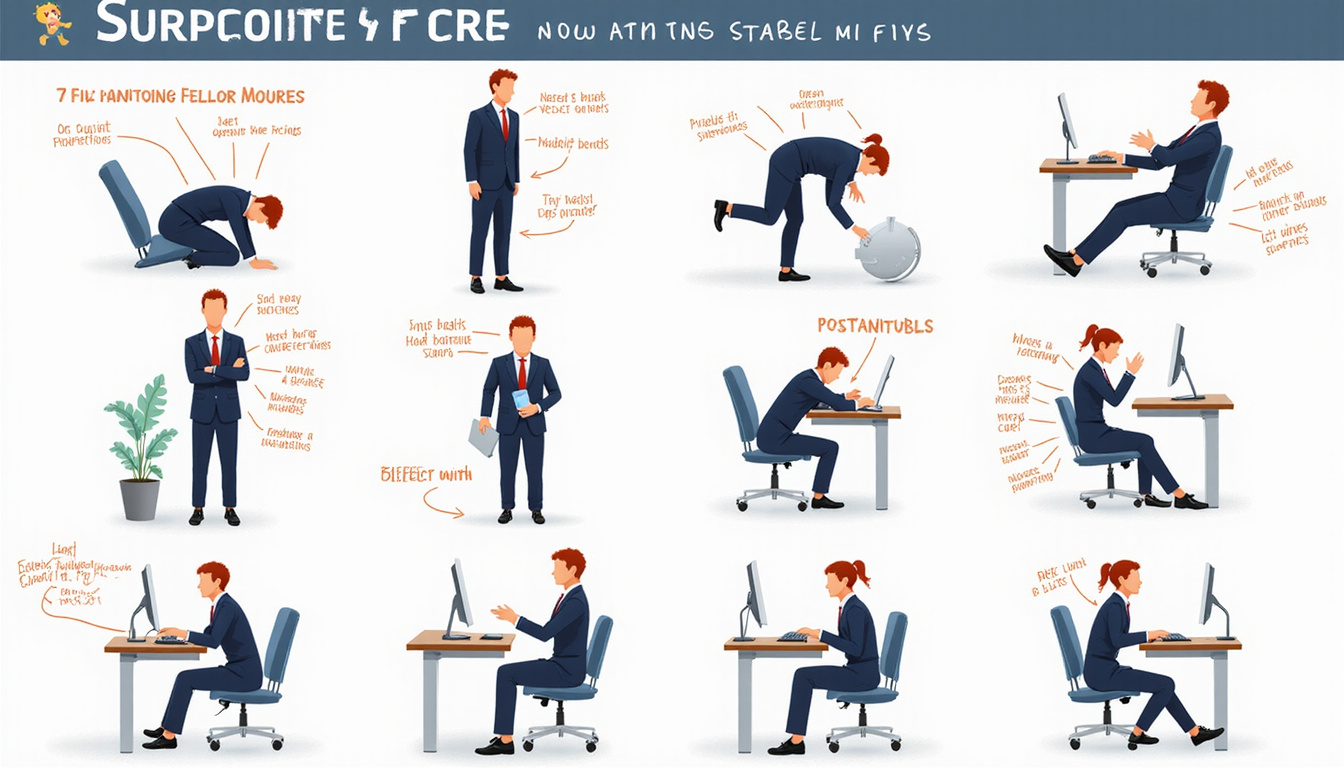
5. Smart sitting: not “sit up straight” 24/7
You have heard “sit straight, do not slouch” many times. For chronic back pain, that advice is not enough.
The key is movement variety, not one “perfect” posture:
- Use a small lumbar roll when your back is tired.
- Alternate between leaning forward, leaning back, and standing.
- Adjust your chair so your hips rest slightly higher than your knees.
A registered physiotherapist can set up your workstation (laptop height, monitor angle, keyboard distance, and chair support) so that it works with your body instead of causing extra strain.
Why it works: Changing posture stops one set of joints from being overloaded for hours at a time.
6. Mobilising the “ignored” joints: hips, thoracic spine & ankles
Another fix is to free the joints above and below the painful spot.
Common hidden causes include:
- Stiff thoracic spine: This makes your lower back twist and bend too much.
- Tight hip flexors: These pull your pelvis forward and compress your lumbar spine.
- Restricted ankles: These change your squat and bend, overloading the lower back.
A registered physiotherapist uses:
- Targeted joint mobilisations
- Soft tissue release
- Custom mobility drills
…to restore ease in these “ignored” joints so your lower back does not have to overdo the work.
Why it works: When surrounding joints move better, your lower back is relieved from extra strain.
7. Sleep positioning that finally lets your back “switch off”
Many patients tell us: “My back is the worst when I wake up.” Poor sleep posture is often to blame.
Simple changes your physiotherapist may advise:
- Side sleepers: Place a pillow between your knees. This keeps your hips and spine aligned.
- Back sleepers: Use a small pillow or a towel under the knees to reduce lumbar pressure.
- Mattress check: Use a mattress that is neither too soft (where the spine sags) nor too hard (which creates pressure points).
A registered physiotherapist will help you work with your natural sleep habits rather than forcing a long-term, uncomfortable position.
Why it works: A good night’s, pain-free sleep helps your nervous system calm down, reducing inflammation and morning stiffness.
8. “Nerve-friendly” movements instead of pure stretching
If you feel sharp, shooting pain down your leg, or tingling in your buttock or calf, you may have nerve irritation instead of merely tight muscles.
Aggressive stretching can sometimes worsen nerve pain. Instead, a registered physiotherapist might use nerve gliding techniques:
- Do gentle, controlled leg movements that let the nerve slide smoothly.
- Avoid forcing a full stretch.
- Combine these moves with supportive spine and hip positions to reduce nerve compression.
Why it works: Nerves need smooth sliding rather than forceful stretching. This can ease pinching, numbness, and radiating pain.
9. Precision-based physio vs generic “back exercises”
You can find “10 best back exercises” online with ease. But for long-term back pain, generic routines do not always work—and they can sometimes make the pain worse.
A registered physiotherapist at The Pain Relief Practice uses clinical precision. This means they will:
- Ask detailed questions about your work, hobbies, sports, and past injuries.
- Assess your joints, muscles, movement quality, and nerve responses.
- Review any relevant imaging like X-rays or MRIs.
- Create a custom plan that includes manual therapy, targeted exercises, ergonomic advice, and load management.
You get a structured pathway from pain relief to rebuilding strength and performance rather than random trial and error.
Real Results
Why choose The Pain Relief Practice in Singapore?
For those serious about solving back problems and not just coping day to day, The Pain Relief Practice stands out as a specialised pain treatment centre. We are for:
- Savvy patients who want to understand the why behind their pain
- Active people who wish to return to sports or gym safely
- Parents and professionals who need reliable, pain-free function for work and family life
Key points about us:
- Established since 2007 – We are one of the oldest physiotherapy clinics in Singapore, with a proven record of success.
- Trusted by celebrities & national athletes – We treat high-performance individuals who depend on their bodies.
- Precision, not guesswork – Our registered physiotherapists use evidence-based techniques tailored to your spine and movement.
- Performance-focus – We help you regain strength, mobility, and confidence to move, play, and perform your best.
Celebrities & National Athletes
What to expect at your first visit with a registered physiotherapist
When you come to The Pain Relief Practice for your chronic back pain, here is what usually happens:
- Detailed conversation – We listen closely as you explain when the pain started, what triggers it (like long drives, heavy luggage, or morning stiffness), and what remedies you have tried.
- Movement & joint assessment – We check your spinal mobility, hip function, core strength, nerve tension, and posture.
- Hands-on testing – We find which joints or tissues trigger your pain versus which moves ease it.
- Immediate relief strategies – You may receive manual therapy, taping, nerve glides, or specific exercises to calm the symptoms.
- Personalised plan – We create a clear, step-by-step plan that covers:
- In-clinic treatments
- At-home exercises and micro-breaks
- Ergonomic suggestions for work and home
- A progression plan for returning to performance or sports, as needed
Practical everyday tips from a registered physiotherapist
To start today, try these simple, back-friendly habits:
- Change your posture every 30–40 minutes.
- Do not hold your breath when lifting or standing up—exhale as you move.
- Keep heavy loads close to your body and avoid twisting when carrying them.
- Warm up your hips and mid-back before intense gym or sports sessions.
- Listen to your body’s warning signs—do not wait until your back fully “locks up.”
Combine these habits with a custom programme from a registered physiotherapist, and you will break the cycle of recurring flare-ups.
FAQ: registered physiotherapist & chronic back pain in Singapore
1. Do I really need a registered physiotherapist for long-term back pain?
If your back pain has troubled you for several weeks or flares up every few months, seeing a registered physiotherapist is a wise choice. They study joints, muscles, nerves, and movement carefully. Their goal is to treat the cause of the pain, not just hide the symptoms.
2. How is a Singapore registered physiotherapist different from a regular massage or gym trainer?
A Singapore registered physiotherapist is a regulated healthcare professional with university-level training in anatomy, pathology, movement science, and rehabilitation. While massages and gym workouts help, a physiotherapist blends medical knowledge with targeted treatments to safely manage complex back issues like disc problems, nerve irritation, and chronic joint pain.
3. Can a registered physiotherapist help if I have already seen doctors and done scans?
Yes. Many patients come to The Pain Relief Practice after visiting doctors and getting X-rays or MRIs, yet still suffer from pain. A registered physiotherapist looks at your scans along with how you move in daily life. They then create a functional rehab plan that bridges the gap between a diagnosis and real, pain-free movement.
If your back has been holding you back—from work, sports, or simple everyday comfort—now is the time to work with a registered physiotherapist at The Pain Relief Practice. Start building a strong, mobile, and pain-resilient spine today.
To learn more about our clinic, treatments, and patient reviews, view our Google profile:
https://share.google/UwMU2I9zUCwXVh0Lg
We are a specialized physio treatment center for savvy people who want real results.
While we are not suitable for someone looking for ‘cheap physiotherapy’ or ‘free exercises available on youtube’, our treatments are affordable and are often claimable with company flexi-benefits, company health insurance, travel insurance, personal accident insurance, and other insurance plans.
Simply whatsapp or call: +65 97821601 and let us know how to help.
If you prefer a convenient nutritional preventive option, Regenerix Gold is our top recommended joint supplement.
We have been recommending this joint supplement for over a decade.
Simply start with 3 capsules, once a day.
If you do not feel better within a week, increase to 2 capsules, twice a day. (4 capsules a day in total)
Our blog readers qualify for a special discount.
Simply use the link below and a discount will automatically be applied during checkout.

 PROVIDING FAST, EASY & INSURANCE CLAIMABLE PAIN RECOVERY SINCE 2007