
If you live in Singapore and have weak bones, porous bones, or fear one bad fall, then you should try osteoporosis physiotherapy. Many people find out about osteoporosis only after a wrist, hip, or spine fracture. Fractures come from a simple misstep at the MRT station, in the bathroom, or while carrying groceries. By then, the damage is great.
The good news is that the right exercises, guided by skilled physiotherapists, can help you build stronger bones, protect joints, and lower your risk of falls and fractures.
Understanding osteoporosis in real life, not just on a scan
You may know your T-score, have had a DEXA scan, or heard your doctor speak of low bone density, post-menopausal osteoporosis, or age-related bone loss. Day by day, you feel the impact in ways that matter:
- A back that aches after standing too long
- The fear of cracking something when you bend or twist
- Worry each time you climb stairs, step off a curb, or walk on wet tiles
- Shoulder or hip stiffness that leaves you feeling unsteady and old
Osteoporosis means your bones are fragile and break easily. It also means weak muscles, stiff joints, and poor balance. These factors add up to a higher chance of fractures.
This is when osteoporosis physiotherapy comes in—not as generic exercise, but as a safe, progressive plan designed for your bones, joints, and daily life in Singapore.
Why osteoporosis physiotherapy matters more than “just taking calcium”
Medications and supplements help, but they are just one part of the solution. Many patients at The Pain Relief Practice miss one key element: movement that is
- Load-bearing, so your bones get the signal to strengthen
- Safe to protect fragile joints and the spine
- Balance-focused to stop falls before they happen
- Realistic, so you can do it at home, in a park, or at the gym
Research shows that weight-bearing, resistance, and balance exercises can help maintain or improve bone mineral density. They can also reduce fall risk (source: International Osteoporosis Foundation).
Core elements of an osteoporosis physiotherapy programme
A good physiotherapy plan for osteoporosis rests on four pillars:
- Weight-bearing exercises – they stimulate bone growth
- Strength training – they support joints and protect bones
- Posture and spinal protection – they lower the chance of spine fractures
- Balance and fall-prevention training – they help you stay steady and confident
Below are proven exercises often adapted for those with fragile bones and joint discomfort.
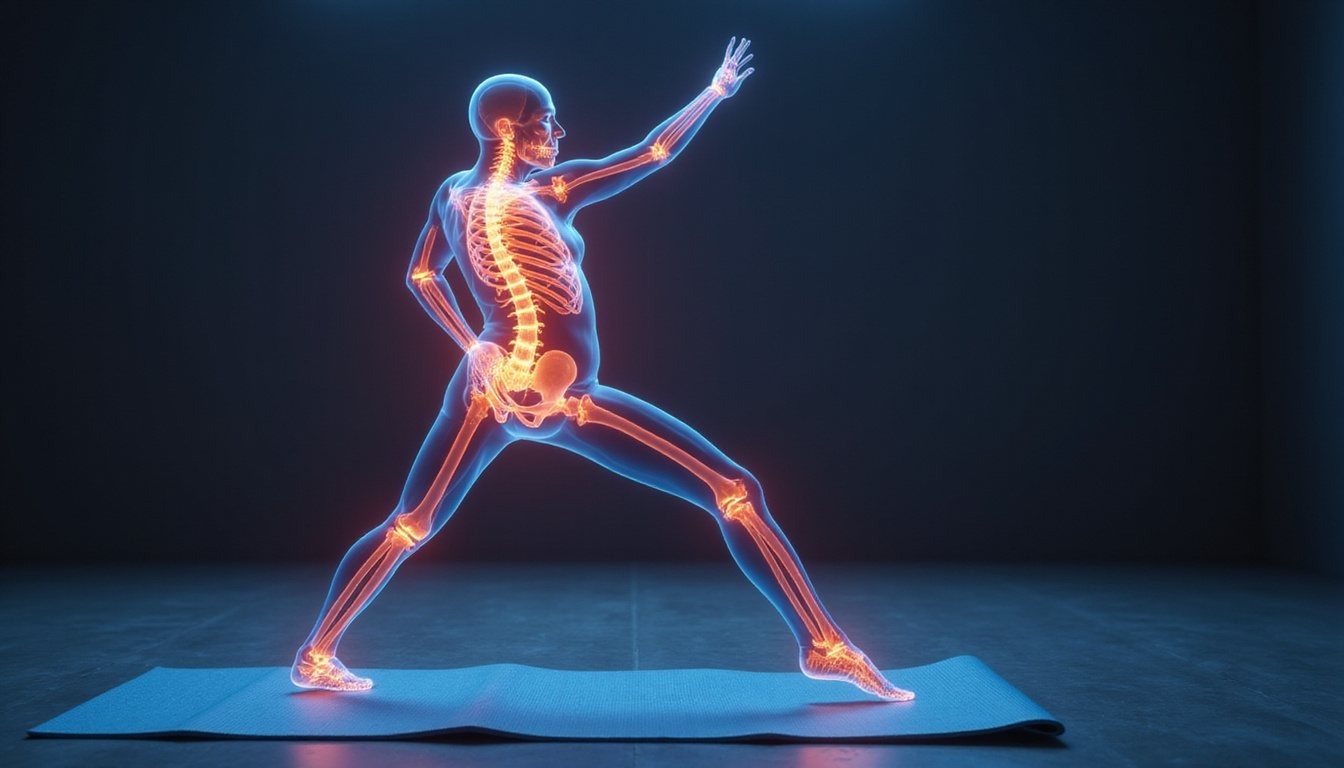
Always check with your doctor or physiotherapist before starting new exercises, especially if you have fractures, severe back pain, or joint issues.
Weight-bearing exercises that are joint-friendly
Weight-bearing means your body works against gravity on your feet. If you have knee pain, hip arthritis, or aching ankles, pounding the pavement is unwise.
A physiotherapist can suggest joint-friendly options such as:
- Brisk walking on level ground – start with 10 minutes and slowly build to 30 minutes most days
- Treadmill walking on a slight incline – if your joints allow and your balance is solid
- Step-ups on a low step – focus on control over speed
- Marching on the spot – always use a sturdy support for safety
The key is controlled loading instead of high impact. Many patients avoid jumping or running until a professional checks their joints, balance, and bone condition.
Strength training: targeted exercises to protect your bones and joints
For osteoporosis, strong muscles are your armour. They support your spine, knees, hips, and shoulders. This reduces stress on fragile joints and bones.
Physiotherapists at The Pain Relief Practice usually recommend:
1. Hip and thigh strengthening
Weak hips and thighs can make you feel unsteady. This helps when climbing stairs or getting off a bus.
Examples include:
-
Sit-to-stand from a chair
- Use a higher chair if your knees hurt.
- Stand up with little hand support, then sit slowly.
-
Mini squats at the kitchen counter
- Hold the counter for balance.
- Bend your knees slightly and push your hips back, then stand again.
-
Side leg lifts (hip abduction)
- Stand while holding a stable surface.
- Lift one leg out to the side slowly while keeping your body upright.
2. Back and spinal support
Since spinal fractures are common, back-strengthening is very important.
Gentle options include:
-
Wall slides
- Lean against a wall, slide down a little and then come back up.
-
Chest-opening stretches
- Place your hand on your hips, squeeze your shoulder blades together, and lift your chest.
Avoid forceful forward bending or twisting, especially heavy sit-ups or forced toe touches. They may raise the risk of spine fractures.
3. Upper limb and grip strength
Strong arms and hands can help you catch yourself during a fall. They also make carrying groceries easier without straining shoulders or elbows.
- Wall push-ups foster arm and chest strength
- TheraBand rowing, where you pull a resistance band with elbows tucked in
- Grip exercises like soft ball squeezes or hand-grip devices for arthritic fingers as needed
Balance training: the secret weapon against fractures
Many hip fractures begin with a fall. Balance training is as important as bone strength.
In osteoporosis physiotherapy, balance exercises are adapted to your ability. They can include:
- Heel-to-toe walking, as if you are walking on a tight line – use a counter for safety
- Single-leg standing, initially with a finger or hand support
- Tandem stance, one foot directly in front of the other – hold a chair if needed
- Safe, controlled turning, as in daily activities like turning in a bathroom or at a sink
Balance work is vital if you feel wobbly, have stiff ankles or knees, or fear wet or uneven surfaces.
A sample daily routine for osteoporosis-safe exercise
Here is an example of a routine set up by a physiotherapist once you are medically cleared:
-
Warm-up (5 minutes)
- Gentle marching on the spot
- Shoulder rolls and ankle circles
-
Strength exercises (10–15 minutes)
- 8–10 sit-to-stands from a chair
- 10 mini squats with support from a counter
- 10 side leg lifts for each leg
- 10 wall push-ups
-
Balance (5–10 minutes)
- Three sets of single-leg stands for 20–30 seconds each (with support if needed)
- Two to three rounds of heel-to-toe walking along a corridor or counter
-
Cool down (5 minutes)
- Gentle stretching for calves, thighs, and chest
- Deep breaths and a reset of your posture
This plan is only a generic template. At The Pain Relief Practice, every detail is adjusted to your bone density, fracture history, joint issues (such as meniscus tears, rotator cuff problems, or spinal stenosis), and your confidence level.
Real Results
How The Pain Relief Practice supports people with osteoporosis in Singapore
The Pain Relief Practice is a specialized pain treatment centre in Singapore. Since 2007, our clinic has helped many patients. We serve:
- Everyday office workers and retirees
- Active seniors who cycle, play golf, or walk briskly
- Patients with long-term pain in the neck, back, knees, or shoulders
- Celebrities and national athletes who require safe, smart, and effective rehab
Our approach to osteoporosis physiotherapy is never just “exercise for exercise’s sake.” It is about:
- Reducing pain and stiffness in your joints and spine
- Safely loading your bones without flare-ups
- Calming your fear of movement and falls
- Restoring your ability to climb stairs, walk confidently, and get up from the floor
- Helping you stay independent and enjoy each day in Singapore
Celebrities & National Athletes
Why work with a physiotherapy clinic experienced in osteoporosis?
Not every piece of exercise advice online suits those with fragile bones or painful joints. We often see mistakes such as:
- Aggressive yoga forward bends that stress the spine
- High-impact aerobics or boot camps that strain knees and hips
- “No pain, no gain” techniques that worsen old injuries
At The Pain Relief Practice, our physiotherapists:
- Understand bone density reports and fracture patterns
- Carefully screen your posture, gait, strength, and balance
- Adjust exercises to protect vulnerable areas, like arthritic knees or a fragile spine
- Gradually progress your training so your body adapts without flare-ups
We combine manual therapy, targeted exercise prescriptions, and modern pain relief technologies. Our goal is to protect your bones and joints while you improve everyday function and performance.
Simple daily habits to support your bones and joints
Along with your physiotherapy, small daily changes can make a big difference:
- Wear non-slip slippers or shoes at home, especially on tiles
- Install grab bars in the bathroom if you feel unsteady
- Keep your home clear of clutter and loose rugs
- Avoid sudden, jerky lifting – use your legs and keep items close
- Break long periods of sitting with short walks and posture breaks every 30–45 minutes
These habits help reduce stress on your joints and lower your risk of falls, especially if you feel fragile or unsteady.
Visit or contact The Pain Relief Practice
If you are in Singapore and worry about weak bones, a recent fracture, or feeling wobbly and stiff when you move, you are not alone. A personalized osteoporosis physiotherapy plan can help you:
- Regain trust in your body
- Safely strengthen your bones
- Protect your painful joints
- Enjoy your daily activities and hobbies once more
Learn more about us and see what other patients say on our Google profile:
https://share.google/UwMU2I9zUCwXVh0Lg
FAQ on osteoporosis physiotherapy and safe exercise
-
Is physiotherapy good for osteoporosis patients?
Yes. For people with osteoporosis, physiotherapy can be very helpful. A physiotherapist can suggest weight-bearing and resistance exercises that are safe for your spine and joints. They also improve balance to prevent falls and teach proper movement patterns. -
What are the best osteoporosis exercises from a physiotherapist?
The best exercises depend on your bone density, joint health, and past injuries. Typically, a physiotherapy programme includes brisk walking, sit-to-stands, mini squats, step-ups, back-strengthening, and balance exercises like single-leg stands and heel-to-toe walking. All these are tailored to your pain levels and stability. -
Can I do physiotherapy for osteoporosis if I already have a spine or hip fracture?
Most often, yes—but only under careful supervision. Osteoporosis physiotherapy after a fracture starts with pain control, safe movement habits, and protection of the healing bone. Over time, the programme increases weight-bearing, strength and balance training. This helps lower the risk of future fractures.
If you would like a tailored plan instead of guessing which exercises suit your bones and joints, book an assessment at The Pain Relief Practice. With our experience since 2007 and our successful record with everyday patients and high-demand performers, we focus on helping you move better, hurt less, and live confidently with stronger bones.
We are a specialized physio treatment center for savvy people who want real results.
While we are not suitable for someone looking for ‘cheap physiotherapy’ or ‘free exercises available on youtube’, our treatments are affordable and are often claimable with company flexi-benefits, company health insurance, travel insurance, personal accident insurance, and other insurance plans.
Simply whatsapp or call: +65 97821601 and let us know how to help.
If you prefer a convenient nutritional preventive option, Regenerix Gold is our top recommended joint supplement.
We have been recommending this joint supplement for over a decade.
Simply start with 3 capsules, once a day.
If you do not feel better within a week, increase to 2 capsules, twice a day. (4 capsules a day in total)
Our blog readers qualify for a special discount.
Simply use the link below and a discount will automatically be applied during checkout.
 PROVIDING FAST, EASY & INSURANCE CLAIMABLE PAIN RECOVERY SINCE 2007