
If you search "spinal decompression" at 3am and feel your back throb, lock, or shoot pain down your leg, you share this experience. In Singapore, long desk hours, heavy bags, and weekend sports lead many to slip discs, pinch nerves, or suffer sciatica and old back pain that will not fade.
This article uses simple words. It shows what spinal decompression does, what truly helps chronic back pain, and when to leave home stretches for a specialist—like The Pain Relief Practice.
Why your back refuses to “self‑heal”
If back pain lasts months or years, you sense these signs:
- A nagging ache in the lower back after long sitting
- Stiffness in the morning; you need minutes to straighten up
- A sharp, catching pain when you bend or twist
- Numbness, tingling, or an "electric shock" in the buttock or leg
- One-sided leg weakness, as if your leg gives way
These signs mark nerve compression or disc issues. When the space around your nerves tightens, you feel:
- Sciatica or leg pain
- A jam in the lower back
- Pain that eases when you lie flat or curl up, but worsens when you sit or stand too long
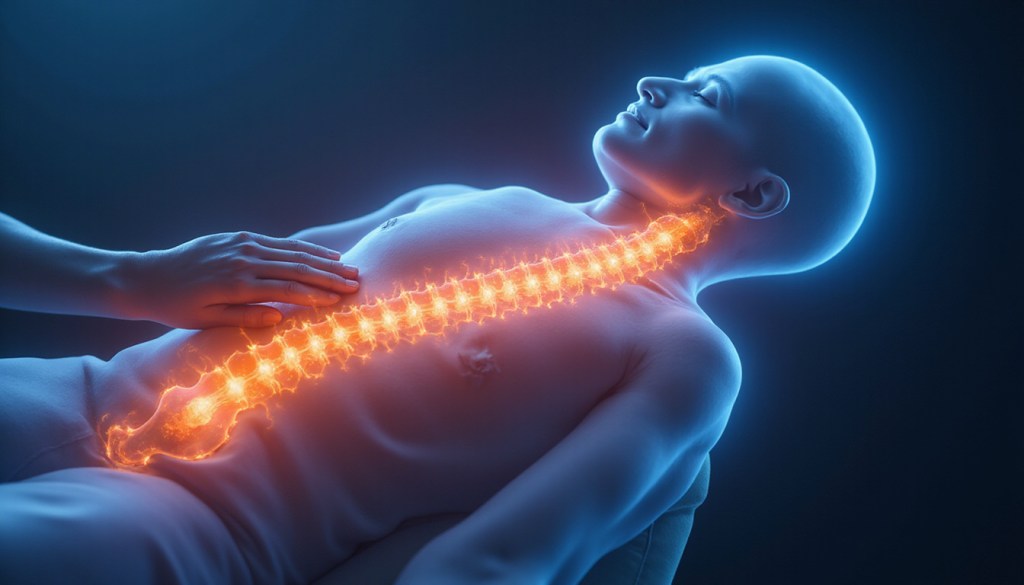
Spinal decompression increases space and reduces pressure around discs and nerves; it lets your spine settle and heal.
What exactly is spinal decompression?
Spinal decompression means reducing pressure on your spinal discs and nerves. Three types exist:
-
Surgical spinal decompression
- Methods like laminectomy, discectomy, or fusion
- For severe nerve compression, worsening weakness, loss of bladder/bowel control, or when all else has failed
- Involves cutting bone or disc material to free the nerves
-
Non-surgical spinal decompression (traction-based)
- Uses special tables or machines
- You lie down, strapped in while the machine gently stretches your spine
- Helps with disc bulges, herniations, and chronic lower back pain
-
Functional/active decompression
- Uses manual therapy, targeted exercises, and posture training
- Focuses on unloading the spine, improving joint motion, and building stability
- Often works with physiotherapy, sports rehab, and pain-relief methods
At The Pain Relief Practice, we choose non-surgical and functional methods. Our approach can help you avoid or delay surgery. It helps you get back to normal life safely and fast.
Real Results
Proven spinal decompression methods that really help chronic back pain
When you deal with nerve pinching, muscle spasms, and constant tightness, you want what works. Here are proven, evidence-based options that we mix into a clear plan:
1. Mechanical non-surgical spinal decompression
New tables work with more precision than old hospital traction.
- You lie down, strapped on a computerised table.
- The machine gently pulls you in cycles.
- It creates negative pressure inside the disc. This may help:
- Shrink a bulge
- Improve disc hydration and nutrition
- Lower pressure on compressed nerves
Studies show that, when part of a structured plan, spinal decompression can ease chronic back pain and improve function in patients with disc issues or nerve pain. (source: US National Library of Medicine).
This method tends to help patients with:
- Slipped or herniated discs
- Degenerative disc disease
- Pinched nerves with leg pain
- Pain that lessens when lying down and worsens when sitting/standing
2. Targeted physiotherapy & manual therapy
Decompression alone may not be enough. When joints stick, muscles overreact, and the core "shuts off," hands-on care and retraining are needed.
At The Pain Relief Practice, your plan may include:
- Joint mobilisations and gentle hands-on therapy
- Soft tissue release for tight hip flexors, QL, piriformis, or hamstrings
- Nerve gliding for irritated sciatic or femoral nerves
- Custom core and glute exercises to support the lower back
We make decompression functional. We create space and train your body to keep that space with good posture, movement, and strength.
3. Postural and ergonomic decompression
In Singapore, many spend 8–10 hours at a desk or in the car. Many say, "I feel fine when I move, but my back screams when I sit."
Practical tips include:
- Adjust your chair height, lumbar support, and monitor level
- Use "micro-break" moves every 30–60 minutes to relieve the spine
- Follow standing and walking tips to reduce joint compression
- Lift children, groceries, or luggage safely so that you do not trigger pain
These daily tweaks can dramatically lower disc compression.
4. Pain-relief modalities that support decompression
To calm chronic inflammation and muscle guarding, we also use:
- Therapeutic ultrasound
- Electrotherapy/TENS
- Heat or cold therapy
- Shockwave or other advanced methods (if needed)
These methods do not replace decompression but help you move better and progress with active rehab.

Celebrities & National Athletes
When is spinal decompression right for you?
You may find non-surgical spinal decompression useful if:
- You have chronic back pain (over 3 months) that returns again and again
- You are told you have a slipped disc, bulging disc, spinal stenosis, or pinched nerve
- Your pain goes down your leg or arm with tingling or numbness
- Rest and medicine only work briefly
- You want to avoid or delay surgery and are ready for a steady plan
Seek urgent care if you have:
- Sudden, severe leg weakness
- Loss of bladder or bowel control
- Numbness in the saddle or groin area
- A recent major fall or accident with severe back pain
These signals may point to a serious condition needing emergency surgery.
What to expect at The Pain Relief Practice
Many come after months or years of simply living with pain. They have tried TCM, massage, random YouTube exercises, or many painkillers.
At The Pain Relief Practice—an established pain and physiotherapy centre in Singapore since 2007—your decompression journey works like this:
-
Detailed assessment
- We learn your pain history, what makes it worse or better, and previous treatments, work set-up, and sports.
- We check your posture, movement, strength, nerve response, and joint motion.
- We review any MRI or X-ray reports you have.
-
Clear explanation & diagnosis
- We ask, "What exactly is compressed? A disc, facet joint, or nerve root?"
- We show why pain keeps flaring, even with rest and medicine.
- We decide if non-surgical decompression suits you.
-
Personalised decompression program
Based on your diagnosis and goals (like playing with your kids, running, or golf), your plan may mix:- Mechanical decompression sessions
- Manual therapy and soft tissue work
- Core, hip, and back strength training
- Postural and ergonomic coaching for lasting relief
- Sports-specific rehab for active people
-
Regular review and progression
- We monitor pain, stiffness, and nerve signs.
- We adjust load, intensity, and exercise levels.
- We plan a safe return to your daily tasks and sports.
We have treated celebrities, national athletes, busy execs, parents, and seniors who want simple movements without constant back pain.
Common mistakes people make with chronic back pain
In Singapore, many with ongoing pain fall into these traps:
- Only resting: Short breaks help during an acute flare. Long-term inactivity weakens muscles and creates stiffness.
- Over-relying on painkillers: They hide pain but do not free the spine or fix the cause.
- Random YouTube exercises: Some work, but others may worsen nerve compression if not right for your pain.
- Aggressive self-"cracking" of your back: It may give brief relief but can irritate inflamed joints and ligaments.
If your pain lasts weeks or comes back several times a year, it is time to stop guessing and get a proper check.
How to support spinal decompression at home
While professional care is key, you can help your spine with daily habits:
-
Gentle decompression positions
- Lie on your back with your legs supported by a chair in a 90/90 position
- Try a child’s pose or a gentle version if your knees hurt
-
Basic core activation
- Learn a light “brace” for your deep core when sitting, standing, or lifting
- Do simple exercises like pelvic tilts, dead bugs, or bridges (if you can)
-
Movement snacks
- Stand up every 30–45 minutes
- Take a short walk to move nutrients into your discs
-
Load awareness
- Avoid sudden heavy lifting or twisting during flare-ups
- Use your hips and knees properly when bending down
Stop any movement if leg pain, numbness, or weakness worsens, and get it checked.
Why choose The Pain Relief Practice for spinal decompression in Singapore?
- Established since 2007 – We have over a decade of experience easing stubborn back, neck, and joint pain.
- Specialised in pain and performance – We use targeted strategies, not just general physiotherapy, to ease pain and boost function.
- Trusted by celebrities & national athletes – If they trust us with their spines, you can, too.
- Integrated care – We combine spinal decompression with manual therapy, custom rehab, and ergonomic coaching.
- People-first approach – Every plan fits your lifestyle, work, and activity goals.
Our aim is clear:
Help you ease pain, restore healthy joints and muscles, and enjoy life better.
FAQ about spinal decompression in Singapore
1. Is spinal decompression therapy good for chronic back pain?
For many with disc-related pain, nerve irritation, or chronic back stiffness, non-surgical decompression can reduce pain and boost function when it is part of a careful plan. It is not a quick fix but, combined with rehab and lifestyle shifts, it can offload discs and calm nerves.
2. How long does non-surgical spinal decompression take to work?
Many feel a change in pressure or tightness within a few sessions. Real, lasting relief for chronic issues usually needs a few weeks of steady sessions with exercises and posture work. Your therapist at The Pain Relief Practice will check your progress and adjust the plan.
3. Is spinal decompression safe, and who should avoid it?
Spinal decompression is safe when done by trained professionals. It may not suit people with severe osteoporosis, spinal fractures, certain cancers, infections, or after some spinal surgeries. That is why a proper check, and sometimes imaging, is needed. We screen each patient to ensure decompression is right for you.
If your back runs your life instead of supporting it, you do not have to "tahan" and hope it clears up.
To see if spinal decompression and a clear, evidence-based plan can help your condition, contact The Pain Relief Practice. Let our experienced team guide you back to confident, pain-light movement.
Google Profile (for directions, reviews and clinic details):
https://share.google/UwMU2I9zUCwXVh0Lg
We are a specialized physio treatment center for savvy people who want real results.
While we are not suitable for someone looking for ‘cheap physiotherapy’ or ‘free exercises available on youtube’, our treatments are affordable and are often claimable with company flexi-benefits, company health insurance, travel insurance, personal accident insurance, and other insurance plans.
Simply whatsapp or call: +65 97821601 and let us know how to help.
If you prefer a convenient nutritional preventive option, Regenerix Gold is our top recommended joint supplement.
We have been recommending this joint supplement for over a decade.
Simply start with 3 capsules, once a day.
If you do not feel better within a week, increase to 2 capsules, twice a day. (4 capsules a day in total)
Our blog readers qualify for a special discount.
Simply use the link below and a discount will automatically be applied during checkout.
 PROVIDING FAST, EASY & INSURANCE CLAIMABLE PAIN RECOVERY SINCE 2007