If you’re in Singapore and feel neck stiffness, low back ache, tight jaws, headaches, or that constant wired-but-tired feeling, you might have searched for craniosacral therapy at 2am.
You have tried many things—from TCM to chiropractic care to endless massages. Now many here turn to craniosacral therapy for calm and lasting pain relief.
This article explains what craniosacral therapy is, how it works on your body, who it suits, and how The Pain Relief Practice in Singapore builds a full treatment plan with craniosacral-style ideas. The goal is to help you move without pain and calm your nervous system.
What is craniosacral therapy, in simple terms?
Craniosacral therapy (CST) is a gentle, hands-on therapy that puts focus on your:
- Skull (cranium)
- Spine and sacrum (tailbone)
- Nearby tissues and the fluid that surrounds your brain and spinal cord
Instead of deep pressure or forceful adjustments, the therapist makes a light touch. This touch is as light as the weight of a 20‑cent coin. The therapist listens to your tissues and joints. The aim is to release tiny tensions in the fascia and membranes around your brain, spine, and nervous system.
Many say:
- “My whole body finally exhaled.”
- “It was like a reset button for my nervous system.”
- “My neck and jaw became looser without any cracking.”
For people with long-term musculoskeletal pain in Singapore—pain from long office hours, neck strain from laptops, or jaw clenching from stress—craniosacral therapy calms the nervous system and frees tight tissues so your body can heal naturally.
How can craniosacral therapy help with pain and tension?
Long-term pain makes your body act in guard mode. Muscles stay tight. Joints feel stuck. Even light movement can trigger pain. Stress, poor sleep, and too much screen time keep your nervous system in fight‑or‑flight mode.
Craniosacral therapy works on two parts:
- Mechanical tension in your fascia, membranes, and joints
- Overactive signals in your nervous system
Many people notice:
- Neck and shoulder relief: Less pull at your skull’s base, easier head movement, and softer shoulders.
- Low back ease: Less pressure near your sacrum and tailbone, making it easier to bend or stand.
- Headache reduction: Fewer tension headaches and a lighter “band” feeling around the head.
- Jaw and face relaxation: Less clenching, easier mouth motion, and fewer TMJ clicks or locks.
- Deeper relaxation: Many drift in and out of sleep and feel as if they have truly switched off.
Research on craniosacral therapy is still growing. Still, evidence shows that gentle manual techniques on the fascia and nervous system can ease chronic pain, headaches, and stress-related issues
(Source: National Center for Complementary and Integrative Health).
What happens during a craniosacral-style session?
A craniosacral session at a place like The Pain Relief Practice in Singapore feels different from a typical physio or massage session.
You can expect:
-
A calm, low‑stimulus setting
You lie fully clothed on a treatment bed. The lights stay dim. Conversation is low to help your system relax. -
A light touch, often at the head, spine, and sacrum
The therapist places their hands under your head, on the base of your skull, along your spine, or under your sacrum. The touch stays very light, with no pushing or forcing. -
Subtle holds and gentle moves
Instead of rubbing, the therapist holds still and makes slow, small moves. This follows your body’s natural rhythm and helps ease restrictions. -
Warmth, heaviness, and “melting” feelings
Many feel their limbs get heavier. They breathe deeper, and their muscles seem to let go effortlessly. Some notice small shifts or soft clicks as tension releases. -
After‑effects
- Shortly after: a deep calm, more relaxed joints, and easier breathing
- Later that day or the next day: a mild ache (like a good stretch) and a feeling of lightness with improved movement
Because the method works through the nervous system, its effects can range widely—from better sleep, fewer pain flares, and less jaw grinding to easier daily activities.
Who in Singapore might benefit from craniosacral therapy?
Craniosacral therapy may help if:
- Your body feels stiff and locked, yet heavy massage or forceful adjustments make you feel worse.
- Your pain has been around for more than 3 months, with ups and downs that have no clear pattern.
- You suffer from tension headaches, migraines, or constant neck tightness.
- You grind your teeth, clench your jaw, or have TMJ pain.
- You endure low back or tailbone pain, especially from long sitting periods or past falls.
- You have nerve-related symptoms like burning, tingling, or an “electric” shock on top of muscle tightness.
- You are always in stress mode: shallow breaths, poor sleep, and waking up even more tired.
People who have tried many treatments without lasting results may need a nervous‑system‑focused approach, rather than repeated local rubs or spinal cracks. Craniosacral therapy targets that deeper layer.
Important: If you have a serious condition (e.g. recent stroke, brain bleed, severe osteoporosis, unstable fractures, or cancer in the spine), get a doctor’s approval before any manual therapy. A good clinic will screen you properly first.
Why combine craniosacral therapy with physiotherapy?
Craniosacral therapy can calm pain and unlock tight tissues on its own. For lasting change—especially if you want to return to sports or daily activities—you also need to restore strength, movement control, and correct joint alignment.
This is where skilled physiotherapists and rehab doctors help.
At The Pain Relief Practice, we blend craniosacral ideas with:
- Targeted physiotherapy: To fix movement patterns, build stability, and lower strain on joints.
- Manual joint and soft‑tissue work: To improve mobility where joints are truly stuck.
- Clinical exercise & postural retraining: To help you keep the benefits from hands‑on treatment in your daily routine.
- Advanced pain treatments (when needed): Like image‑guided injections or shockwave therapy for stubborn pain.
This mix is great for people in Singapore who:
- Sit long hours with stiff necks and backs.
- Are recreational athletes or elite competitors who cannot risk flare‑ups.
- Have tried regular physio or massage but still face pain because their nervous system remains oversensitive.
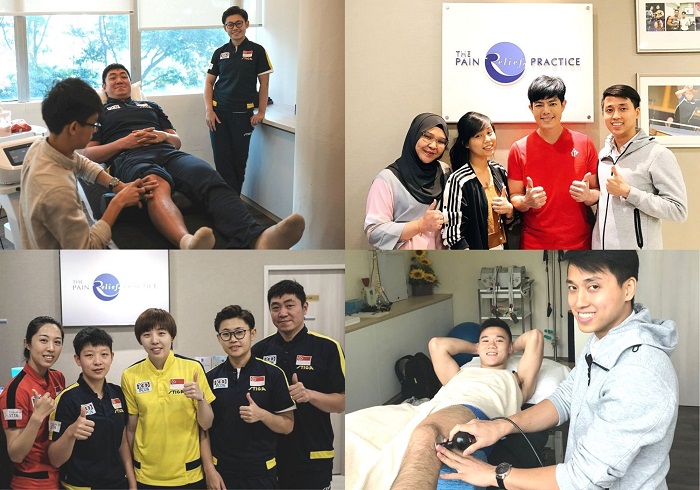
Real Results
Celebrities & National Athletes
The Pain Relief Practice: a specialized center for deeper, lasting relief
For those who take their health, performance, and long‑term joint function seriously, finding the right clinic is key.

At The Pain Relief Practice in Singapore:
- We are an established physiotherapy and pain treatment clinic; we have helped patients since 2007.
- We treat celebrities and national athletes as well as busy professionals who do not have time for pain.
- We aim to fix pain at its root, not just mask symptoms temporarily.
- We offer integrated care with doctors, physiotherapists, and manual therapists working together.
- We use craniosacral-style techniques as part of a larger plan to:
- Calm your nervous system
- Release stubborn fascial and joint restrictions
- Restore healthy movement patterns
- Boost your performance and everyday enjoyment
Instead of hopping between random massages, adjustments, and treatments that do not work well together, you get a coherent plan meant to create:
- Looser, more comfortable joints
- Stronger, more resilient muscles
- A calmer, balanced nervous system
- Greater confidence to move, train, and live with less fear of pain flare‑ups
What a treatment plan typically looks like
Every case is unique. We do not use a one‑size‑fits‑all model. Many patients follow a progression like this:
-
Assessment
- A detailed history: pain timeline, past injuries, work demands, sports load.
- A physical exam: posture, movement patterns, joint mobility, muscle balance, nerve sensitivity.
- Screening to rule out red flags that may require imaging or medical referral.
-
Initial calming phase
- Use craniosacral-style techniques to calm your nervous system.
- Apply gentle manual therapy to free up very tight joints and fascia.
- Give pain and load management advice to prevent flare‑ups between sessions.
-
Rebuild phase
- Begin targeted strengthening (for example, deep neck flexors, scapular stabilizers, core muscles, hip control).
- Do specific mobility drills to hold the new range of motion.
- Use advanced interventions for stubborn pain generators if needed.
-
Performance & prevention phase
- Follow sport‑or lifestyle‑specific progressions (running, lifting, racquet sports, etc.).
- Learn self‑release strategies, pacing tips, and early warning signs.
- Gradually reduce visit frequency as your body grows stronger and more self‑reliant.
Craniosacral-style work can return whenever your system feels overworked—after a long work crunch, competition, or life stress.
Practical tips if you’re considering craniosacral therapy in Singapore
Here are some practical tips to get the most from craniosacral therapy and related treatments:
- Wear comfortable clothing so you can relax fully on the treatment bed.
- Arrive a bit early to avoid rushing and to remove tension before the session.
- Avoid heavy exercise afterwards—give your nervous system a few hours to integrate the changes.
- Notice changes within 2–3 days in your sleep, mood, flare‑up frequency, and how your joints move in daily tasks.
- Be honest about your goals—whether you want to end pain or to return to a sport or performance level.
Choose a clinic that explains clearly how craniosacral therapy fits into your rehab strategy, rather than selling it as a mystical cure‑all.
Our Google Profile
You can find out more about our location, reviews, and services here:
https://share.google/UwMU2I9zUCwXVh0Lg
FAQ about craniosacral therapy in Singapore
-
Is craniosacral therapy safe for chronic neck and back pain?
Most people find craniosacral therapy very safe because it uses an extremely light touch and gentle techniques. This makes it suitable even if you cannot tolerate deep tissue massage or strong spinal adjustments. If you have serious conditions like recent fractures, brain or spinal surgery, or active cancer in the spine, you should see a doctor first. -
How many craniosacral therapy sessions do I need before feeling better?
Many feel some change after the first or second session, usually deep relaxation and slight ease in tightness. For lasting improvement in chronic pain, a short series of sessions together with physiotherapy and corrective exercises often leads to better, more lasting results than craniosacral therapy alone. -
What’s the difference between craniosacral therapy and normal physiotherapy?
Standard physiotherapy often works on joints, muscles, and movement using exercises, joint work, and sometimes machines. Craniosacral therapy focuses on the nervous system and fascial tension using very gentle techniques. At The Pain Relief Practice, we integrate both methods: craniosacral-style techniques help unlock your body while physiotherapy builds strength and healthy movement so that pain relief lasts.
If you’re in Singapore and live with stubborn pain, tightness, or a constant sense of being wound up, try a structured pain program that uses craniosacral therapy principles. This approach may be the missing link between temporary relief and lasting change.
We are a specialized physio treatment center for savvy people who want real results.
While we are not suitable for someone looking for ‘cheap physiotherapy’ or ‘free exercises available on youtube’, our treatments are affordable and are often claimable with company flexi-benefits, company health insurance, travel insurance, personal accident insurance, and other insurance plans.
Simply whatsapp or call: +65 97821601 and let us know how to help.
If you prefer a convenient nutritional preventive option, Regenerix Gold is our top recommended joint supplement.
We have been recommending this joint supplement for over a decade.
Simply start with 3 capsules, once a day.
If you do not feel better within a week, increase to 2 capsules, twice a day. (4 capsules a day in total)
Our blog readers qualify for a special discount.
Simply use the link below and a discount will automatically be applied during checkout.
