
If you or a loved one in Singapore face post‑stroke weakness, stiffness, poor balance, or clumsy hands, you may feel frustrated by dull, repetitive tasks. Virtual reality rehabilitation can help when paired with guided home therapy. Instead of squeezing a stress ball or doing heel raises, VR lets you exercise in a fun digital world while still working weak joints and limited movements.
Below, we explain how VR rehab works, why it aids stroke recovery, and how The Pain Relief Practice in Singapore supports patients who want to move better, feel less pain, and enjoy life again.
What is virtual reality rehabilitation for stroke?
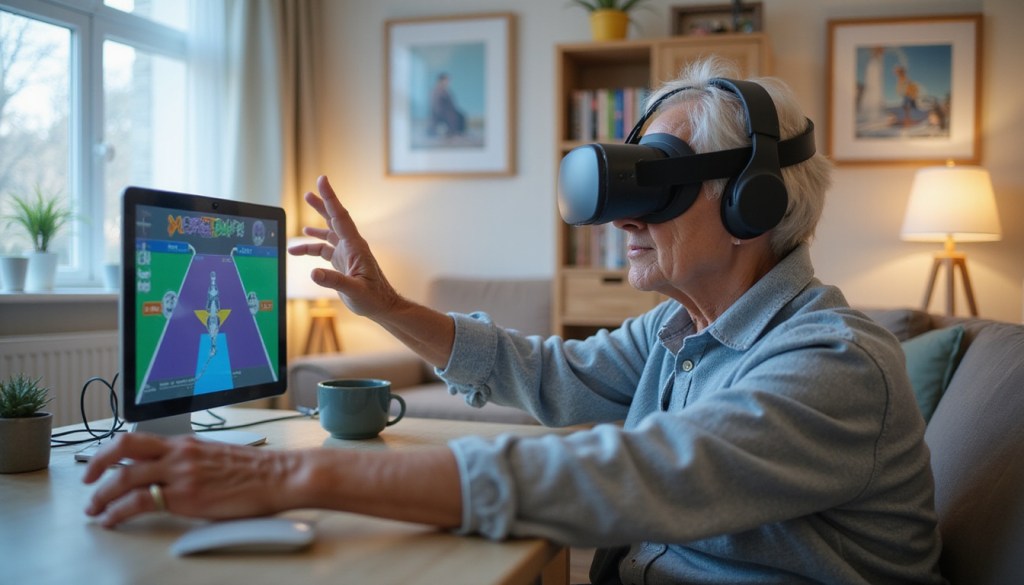
Virtual reality rehabilitation uses computer-made scenes and motion tracking to guide your exercises. You wear a headset or use a screen, and real moves—including shoulder reaching, wrist bending, and hip shifting—control the VR world.
For example, instead of simply lifting your shoulder at the edge of your bed, you might:
- Reach up to catch falling fruit
- Steer a boat by shifting your weight
- Stack virtual blocks with your weaker hand
Under the fun lies a focus on the tight shoulders, weak arms, poor grip, unstable legs, falling fears, and wobbly knees that stroke survivors face daily.
Why stroke survivors in Singapore are turning to VR rehab
Stroke survivors often say:
- “I know I should exercise, but it is so boring.”
- “I do my physio for a while, then I stop because I see no progress.”
- “My leg drags and my arm feels useless.”
Virtual reality rehabilitation answers these problems:
-
More engaging than standard exercises
VR turns dull tasks into simple games. You naturally do more reps. More quality reps help the brain rewire after a stroke. -
Instant feedback on your movements
You see your “virtual body” move on screen. If you lift your shoulder too high or shift with your trunk, the screen helps you fix it immediately. -
Objective tracking of progress
You can see:- How far you can reach compared to last week
- How long you can stand without losing balance
- How much smoother your arm now moves
-
A safer way to challenge balance
Some fear falling so much that they barely move. In a controlled VR setting at The Pain Relief Practice, you can practice stepping, turning, and shifting weight with safety measures in place.
How virtual reality rehabilitation works at The Pain Relief Practice
The Pain Relief Practice is a well-known physiotherapy clinic in Singapore. Since 2007, we have helped many patients, including celebrities and national athletes. We use the same care and precision in our stroke rehabilitation programs.
Here is a typical VR rehab journey:
1. Detailed assessment by experienced clinicians
Before you wear a headset, our team will:
- Record your stroke history, hospital stay, and medications
- Check your joint range, muscle tightness, and spasticity
- Test the strength of your affected arm and leg
- Assess your balance and gait (how you walk)
- Check your hand use for simple tasks like buttoning or using a phone
We then pinpoint priority issues. Your ankle may be too stiff, your shoulder might hurt when you reach, or your fingers may not work well.
2. Tailored VR scenarios that match your real-life goals
Instead of generic games, our clinicians select virtual tasks that match your needs:
-
Want steadier steps on the MRT?
We use VR tasks that challenge stepping, weight transfer, and turning, while promoting proper heel‑to‑toe motion. -
Need to hold cutlery better?
We choose VR activities that work on finger dexterity, pinch grip, and wrist control. -
Worried about falling in crowds?
We use a safe virtual setting to help you gradually face your fear. This builds balance without real‑world risk.
Each session is run by a trained therapist who adjusts the difficulty based on how your joints, muscles, and nerves feel that day.
3. Combining VR with hands-on treatment and strength work
At The Pain Relief Practice, VR is not a standalone trick. We pair it with:
- Hands‑on therapy to ease stiff joints and improve mobility
- Manual techniques that reduce tightness and spasticity in the shoulder, elbow, wrist, hip, and ankle
- Targeted strength work for weak muscles like glutes, quads, and rotator cuff
- Gait re‑training to fix limping, dragging feet, and poor push‑off
- Task‑specific training such as sit‑to‑stand, stair climbing, and reaching at different heights
This combined approach makes VR a strong part of a full rehabilitation program rather than a lone gimmick.
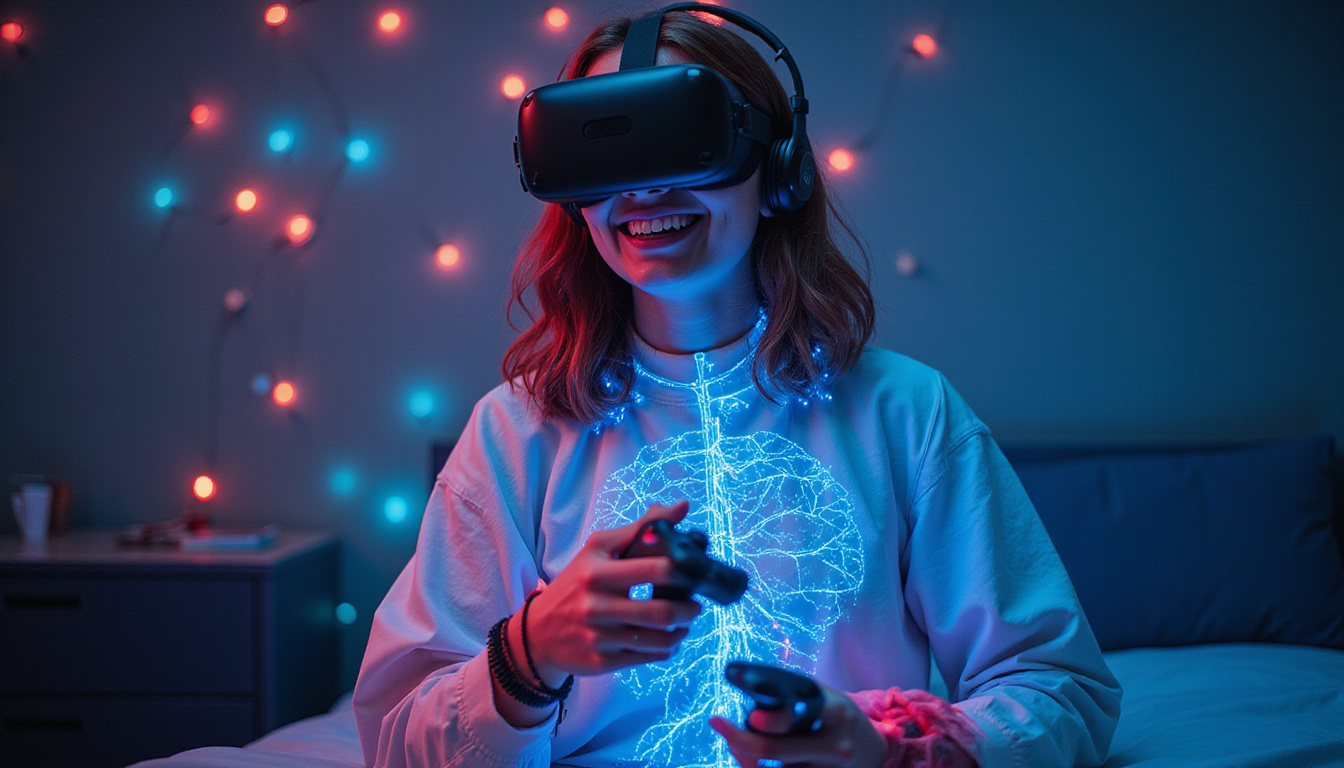
Engaging home therapy: extending your gains between sessions
Many stroke survivors in Singapore cannot visit the clinic every day. Yet the brain and body need regular, repeated practice.
That is why we design engaging home therapy to support your VR rehabilitation:
-
Simple, realistic routines
Instead of a long exercise list, we give focused sets you can do at home: by the dining table, near the bed, or using your furniture as support. -
VR‑inspired tasks without a headset
Even without a home VR setup, you can do tasks such as:- Reaching for colored stickers on the wall at different heights
- Stepping to marks on the floor to mimic weight‑shifts
- Timed hand tasks like picking up coins or pegs and sorting them
-
Regular progress checks
We review your home exercises, adjust difficulty, and ensure you do not overdo painful joints like the knee, shoulder, or lower back. -
Education for caregivers
If a family member helps you, we show them how to provide proper support without risking falls or injuries.
Why pain management matters in stroke rehab
Many stroke survivors bear pain quietly, assuming it is part of recovery:
- An aching shoulder that feels unstable
- Sharp knee pain when standing up
- A tight calf or hamstring that cramps at night
- A nagging back pain from a limp
Unmanaged pain makes you move less and slows recovery. At The Pain Relief Practice, we treat joint and muscle pain so you can do better rehab.
We use:
- Targeted manual therapy
- Joint mobilization and soft tissue techniques
- Evidence-based methods when needed
- Gradual loading to strengthen painful areas without causing flare-ups
When pain is controlled, you can fully engage in VR tasks and home exercises, boosting your recovery.
Real Results
Patients often arrive frustrated with dragging feet and stiff shoulders. Over time, many report:
- A smoother gait and less limping
- A stronger push-off when climbing stairs
- Better hand control for daily tasks
- More confidence in public without always watching their feet
By pairing virtual reality rehabilitation with personalized hands‑on care and home therapy, improvements show not just in our clinic but in your daily life.
Celebrities & National Athletes
At The Pain Relief Practice, we have helped celebrities and national athletes who need peak joint and muscle performance. We use the same high‑level care, precise technology, and attention to detail for stroke patients. Whether you want to return to competitive sport, get back to work, or walk safely to the hawker centre, we are here for you.
Who is suitable for VR‑based stroke rehab?
Virtual reality rehabilitation may work for you if you:
- Still face weakness, stiffness, or poor coordination after a stroke
- Can sit or stand with some support
- Are medically stable (without uncontrolled heart issues, high blood pressure, or active infections)
- Can follow simple instructions
We take extra care if you:
- Feel dizzy, nauseous, or motion‑sensitive
- Have severe visual or cognitive impairments
- Have very unstable joints or severe osteoporosis
If VR is not right at first, we can use conventional physiotherapy, pain management, and graded exercises. Later, when it is safe, we may add VR to your plan.
What a typical VR + home therapy plan might look like
Each case is unique, but a common plan is:
-
Clinic sessions (1–3 times per week)
- Warm‑up and joint preparation
- VR tasks tailored to your affected side and goals
- Balance and gait exercises
- Pain relief and manual therapy if needed
- Review of your home routine
-
Home sessions (most days of the week)
- Short, frequent sessions (10–20 minutes)
- A mix of strength, mobility, and task‑specific exercises
- Simple tracking of pain and fatigue
-
Regular re‑assessment
- Measuring walking speed, endurance, and balance
- Checking range of motion and strength
- Adjusting VR tasks and home exercises
Our goal is not just more movement, but better quality movement with less pain and more confidence.
Why choose The Pain Relief Practice for virtual reality rehabilitation?
• One of Singapore’s established physiotherapy and pain treatment centres since 2007
• Deep experience with everyday patients, celebrities, and national athletes
• A strong focus on joint and muscle pain so that rehab does not stall due to discomfort
• Integration of virtual reality rehabilitation, hands‑on care, and home programs
• Patient‑centred care that listens to your real concerns, then makes a clear and practical plan
If you are in Singapore and struggle with post‑stroke weakness, poor balance, or painful and stiff joints, you do not have to face it alone. A well‑designed VR‑based rehab and home therapy plan can help you move more easily and regain your independence.
Our Google Profile
You can learn more about The Pain Relief Practice and read patient reviews here:
https://share.google/UwMU2I9zUCwXVh0Lg
FAQs about virtual reality rehabilitation for stroke
-
Is virtual reality rehabilitation effective for stroke patients in Singapore?
Yes. Studies show that virtual reality rehabilitation improves motor recovery, balance, and overall function. At The Pain Relief Practice, we tailor VR tasks to your joint limits, pain levels, and safety needs. -
Can I do VR stroke rehab at home or must it be in the clinic?
Some systems support home‑based VR. However, most patients start in the clinic. There, therapists set safe limits and correct improper moves. Afterward, we add VR‑inspired exercises to your home routine even without a headset. -
Is virtual reality rehab safe if I have joint pain or severe stiffness?
When supervised and customized, VR‑based rehabilitation is safe even with stiff or painful joints. Our team first checks your joint health, adjusts movement ranges and intensity, and pairs VR with pain relief so that your rehab is effective and safe.
We are a specialized physio treatment center for savvy people who want real results.
While we are not suitable for someone looking for ‘cheap physiotherapy’ or ‘free exercises available on youtube’, our treatments are affordable and are often claimable with company flexi-benefits, company health insurance, travel insurance, personal accident insurance, and other insurance plans.
Simply whatsapp or call: +65 97821601 and let us know how to help.
If you prefer a convenient nutritional preventive option, Regenerix Gold is our top recommended joint supplement.
We have been recommending this joint supplement for over a decade.
Simply start with 3 capsules, once a day.
If you do not feel better within a week, increase to 2 capsules, twice a day. (4 capsules a day in total)
Our blog readers qualify for a special discount.
Simply use the link below and a discount will automatically be applied during checkout.
 PROVIDING FAST, EASY & INSURANCE CLAIMABLE PAIN RECOVERY SINCE 2007