
If you’re experiencing discomfort in your knee, especially if it’s accompanied by swelling or difficulty in movement, you may be one of the many individuals dealing with a meniscus tear. In Singapore, the term ‘meniscus tear physio treatment Singapore’ is becoming increasingly relevant for patients seeking effective solutions for this common injury. The meniscus is a C-shaped cartilage in the knee that serves as a cushion, and tears can occur from sudden twists or aging-related degeneration. In this article, we will explore the types, symptoms, the importance of prompt treatment, different physiotherapy options available, rehabilitation exercises, and importantly, strategies to prevent future injuries.
Key Takeaways
- Meniscus tears can vary in type and severity, leading to different symptoms that require attention.
- Early diagnosis and treatment of meniscus tears are crucial for effective recovery and rehabilitation.
- Singapore offers a range of specialized physio treatment options for meniscus injuries tailored to individual needs.
- Rehabilitation exercises and techniques play a significant role in strengthening the knee and preventing further injuries.
- Preventing future meniscus injuries involves adopting proper techniques and staying proactive in joint care.
Understanding Meniscus Tears: Types and Symptoms
Understanding Meniscus Tears: Types and Symptoms
Meniscus tears can be a common source of discomfort for individuals dealing with joint issues, especially for those engaged in sports or heavy physical activity. In Singapore, many experience symptoms such as pain, swelling, and stiffness in the knee that can drastically affect their quality of life. But what exactly is a meniscus tear?
The meniscus is a C-shaped cartilage in the knee that provides cushioning and stability. When it tears, it can result in various symptoms that vary depending on the severity of the injury and its specific type.
There are two primary types of meniscus tears:
1. Vertical Tears – These are typically straight down the cartilage and can be either partial or complete. They may allow for some function if the tear is manageable but can exacerbate pain with strenuous movement.
2. Horizontal Tears – This form occurs across the width of the meniscus and can lead to significant tearing into the cartilage, causing severe pain and instability in the knee.
Common signs and symptoms of a meniscus tear include:
• Knee Pain: This is usually localized on the outer side or inner side of the knee.
• Swelling: Often, this occurs within the first few hours of injury.
• Stiffness: Those suffering from a meniscus tear may find it difficult to fully bend or straighten the knee.
• Popping Sensation: Upon movement, some individuals feel a popping or locking sensation.
• Instability: The knee may feel like it will give way under weight.
If you’re experiencing any of these symptoms, seeking professional help is crucial. Whether you’re considering meniscus tear physio treatment in Singapore or need a thorough diagnosis, The Pain Relief Practice is here to guide you on your journey towards pain relief and recovery.
The Importance of Early Diagnosis and Treatment
When it comes to a meniscus tear, early diagnosis and treatment are crucial for ensuring optimal recovery outcomes. In Singapore, where an active lifestyle is the norm, meniscus injuries can significantly impact mobility and overall quality of life. A meniscus tear can occur due to abrupt movements, sports activities, or degeneration associated with aging. Thus, engaging in specialized meniscus tear physio treatment in Singapore can help alleviate pain, restore function, and prevent long-term complications.
At The Pain Relief Practice, we emphasize the importance of timely intervention. Our experienced physiotherapists utilize advanced assessment techniques to accurately diagnose the extent of the tear. Early treatment options can include tailored rehabilitation programs, focused on strengthening the surrounding muscles, improving joint stability, and enhancing flexibility. With a personalized approach, individuals can regain their mobility and return to their favorite activities sooner, avoiding unnecessary surgical procedures down the line.
‘The greatest discovery of my generation is that a human being can alter his life by altering his attitudes.’ – William James

Physio Treatment Options Available in Singapore
### Physio Treatment Options Available in Singapore
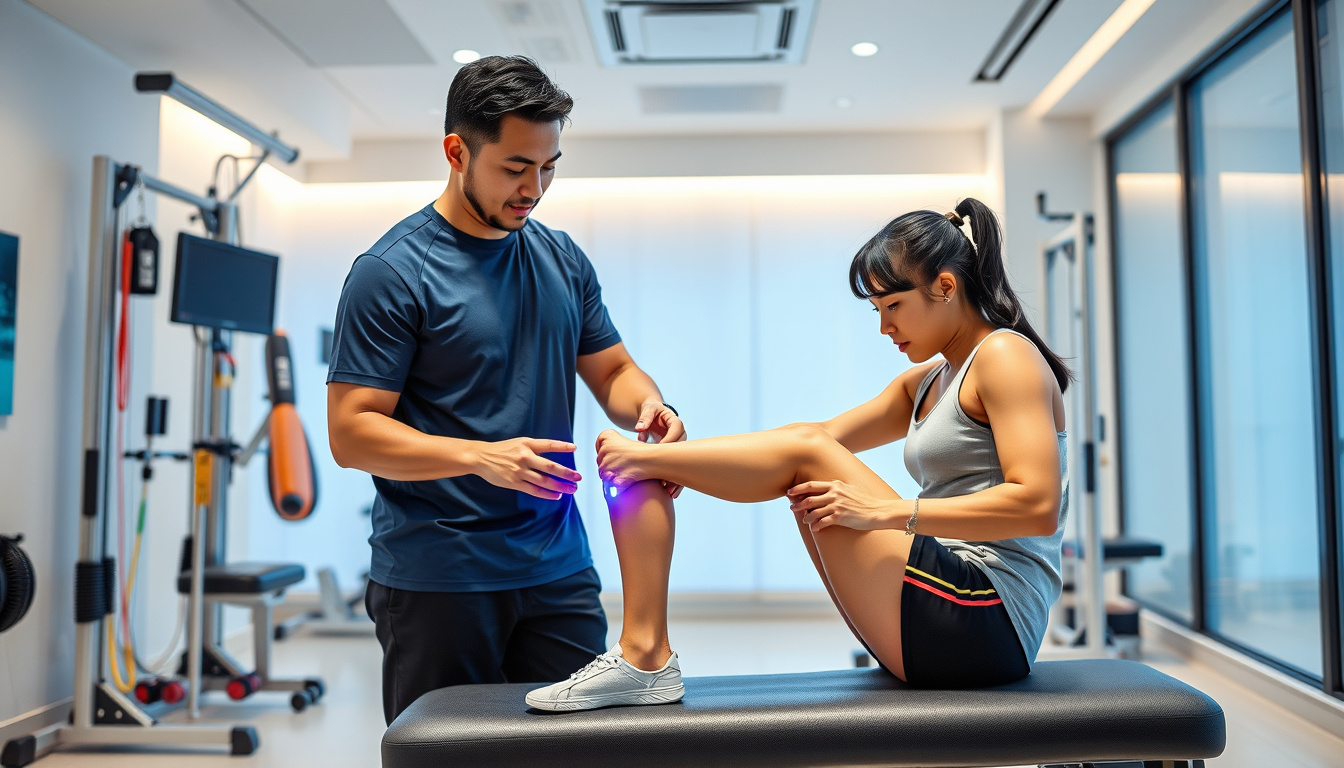
If you’re dealing with a meniscus tear, understanding your meniscus tear physio treatment in Singapore options is crucial for recovery. Meniscus tears can cause significant knee pain, swelling, and affect your mobility, making professional treatment essential. In Singapore, specialized physiotherapy clinics like The Pain Relief Practice offer tailored interventions to help alleviate discomfort and restore function. We’ve been helping patients reclaim their lives since 2007, treating not only everyday individuals but also celebrities and national athletes who trust us for effective pain management.
Our treatment options may include:
1. Manual Therapy: Hands-on techniques to reduce pain and improve joint mobility.
2. Exercise Rehabilitation: Personalized exercise plans to strengthen the knee and restore its range of motion.
3. Dry Needling: Targeting muscle knots and tension to promote healing.
4. Electrotherapy: Use of electrical impulses to enhance recovery and reduce pain.
5. Education and Ergonomics: Teaching proper movement patterns and ergonomics to prevent future injuries.
Seeking professional meniscus tear physio treatment in Singapore can greatly increase your chances of recovery and restoring your active lifestyle. With evidence-based therapies and a patient-centered approach, our team is ready to support you on your journey to feeling better.
Rehabilitation Exercises and Techniques
## Rehabilitation Exercises and Techniques
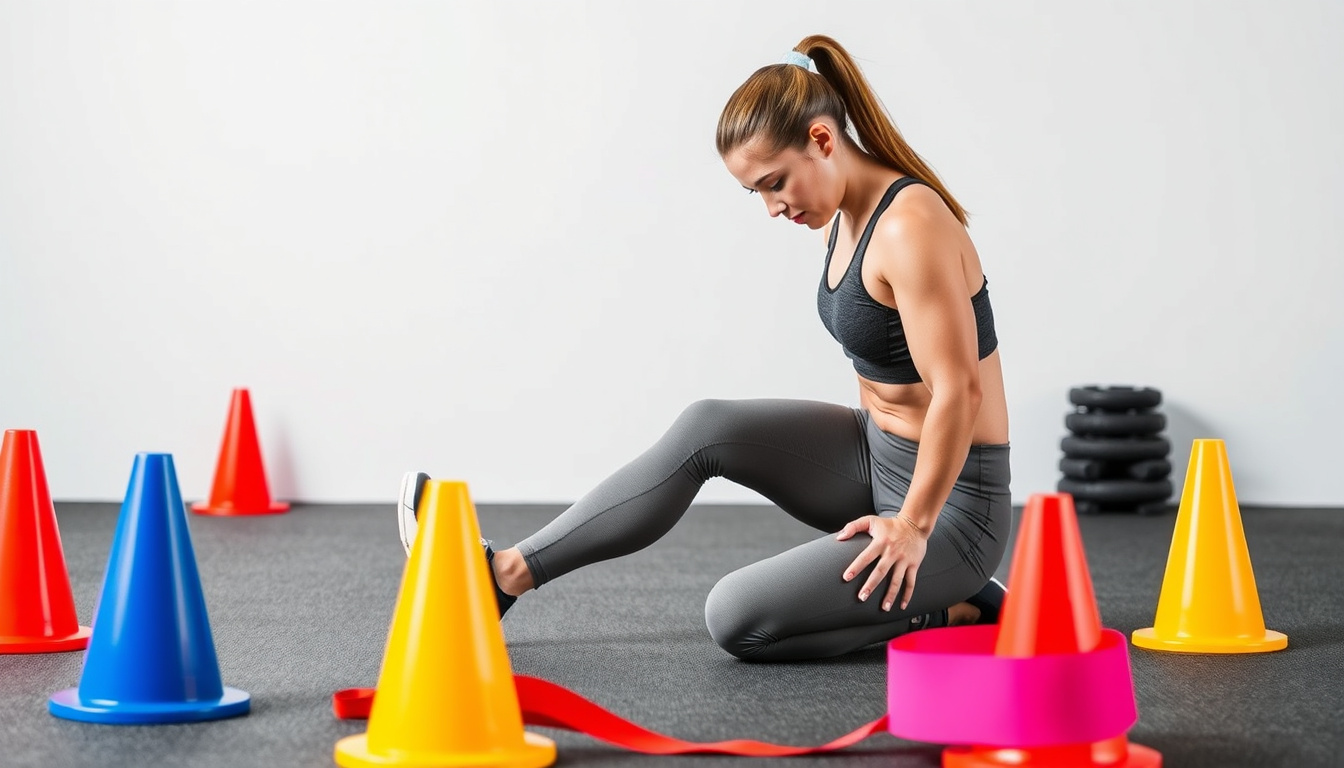
When dealing with a meniscus tear, obtaining effective physio treatment in Singapore can be a game-changer. Rehabilitation is essential for restoring knee function, alleviating pain, and preventing future injuries. Here are some key aspects of rehabilitation exercises and techniques specifically tailored for meniscus tear recovery:
1. Range of Motion Exercises: These are crucial in the early stages to prevent stiffness. Simple exercises like heel slides and knee bends can help improve flexibility.
2. Strengthening Exercises: Gradual strengthening of the muscles around the knee, including quadriceps and hamstrings, is vital. Exercises such as straight leg raises and wall sits can support this process.
3. Balance and Stability Training: To enhance joint stability and prevent further injuries, balance exercises like single-leg stands and balance boards should be incorporated.
4. Functional Activities: As recovery progresses, incorporating activities that mimic daily functions, such as step-ups or squats, helps prepare the knee for normal movement patterns.
When seeking meniscus tear physio treatment in Singapore, look for experienced physiotherapists who can create personalized rehabilitation plans tailored to your needs. These professionals can guide you through exercises that not only heal your knee but also build strength, ensuring a smoother and safer return to your regular activities.
Preventing Future Meniscus Injuries
## Preventing Future Meniscus Injuries
Meniscus injuries, such as tears, are common among athletes and active individuals, especially in dynamic sports or activities that involve sudden twists and turns. If you have experienced a meniscus tear, understanding effective prevention strategies is essential for avoiding future injuries. Here is a guide on preventive measures that can help minimize your risk of a meniscus injury:
1. Strength Training: Incorporating strength training, particularly for your quadriceps, hamstrings, and calf muscles, can support the joints of your knees and help absorb shock more effectively during activity.
2. Flexibility Exercises: Regular stretching can improve your overall flexibility, which in turn decreases the stress on your menisci. Yoga or dedicated stretching routines can enhance the range of motion in your knees.
3. Proper Footwear: Wearing shoes that provide adequate support and cushioning can make a significant difference in preventing knee injuries. This is especially true for sports that demand quick directional changes.
4. Warm-Up and Cool Down: Always incorporate a proper warm-up and cool-down routine surrounding your physical activities. Warming up prepares the muscles and joints for action, while cooling down helps to recover properly after the exertion.
5. Technique Training: Engaging in sport-specific training can improve your technique. Whether it’s running, jumping, or changing direction, proper technique helps in reducing the stress on the knees.
6. Avoid Overtraining: Listen to your body. If you feel pain or discomfort, take time off to recover rather than pushing through it. An adequate recovery can save you from more severe injuries.
7. Regular Check-Ups: Consider regular physiotherapy sessions.
At The Pain Relief Practice, we offer specialized meniscus tear physio treatment in Singapore designed to enhance your recovery and provide personalized strategies to prevent future injuries. With over a decade of experience, we have successfully treated celebrities and national athletes, making us one of the most trusted names in physiotherapy. Our tailored programs not only address existing injuries but also focus on strengthening and conditioning your knees to ensure you’re not just back to your sport but also performing at your best.
We are a specialized physio treatment center for savvy people who want real results.
While we are not suitable for someone looking for ‘cheap physiotherapy’ or ‘free exercises available on youtube’, our treatments are affordable and are often claimable with company flexi-benefits, company health insurance, travel insurance, personal accident insurance, and other insurance plans.
Simply whatsapp or call: +65 97821601 and let us know how to help.
If you prefer a convenient nutritional preventive option, Regenerix Gold is our top recommended joint supplement.
We have been recommending this joint supplement for over a decade.
Simply start with 3 capsules, once a day.
If you do not feel better within a week, increase to 2 capsules, twice a day. (4 capsules a day in total)
Our blog readers qualify for a special discount.
Simply use the link below and a discount will automatically be applied during checkout.
 PROVIDING FAST, EASY & INSURANCE CLAIMABLE PAIN RECOVERY SINCE 2007