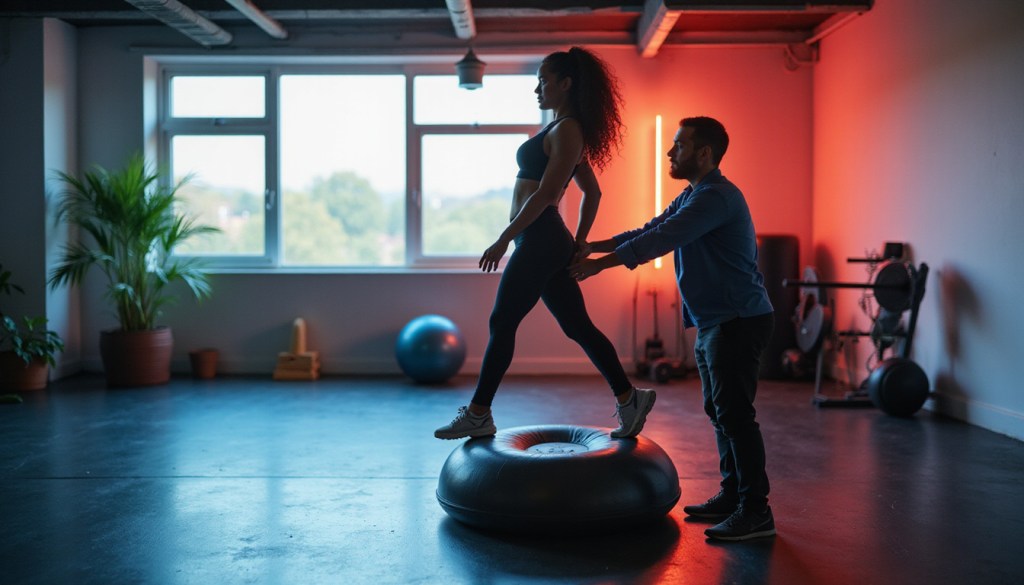
If you have rolled your ankle on a curb, felt your knee give on stairs, or noticed your balance drop after a flare‑up in your back or neck, you know that proprioceptive training matters. In Singapore, many people suffer from recurring ankle sprains, wobbly knees, stiff hips, or a fragile back. Poor proprioception—your body’s sense of joint position—lies hidden behind repeated injuries and ongoing pain.
This guide explains proprioceptive training. It shows why it matters when joints hurt or feel unstable. It lists key balance moves that help you prevent injuries and move with more trust.
What is proprioceptive training?
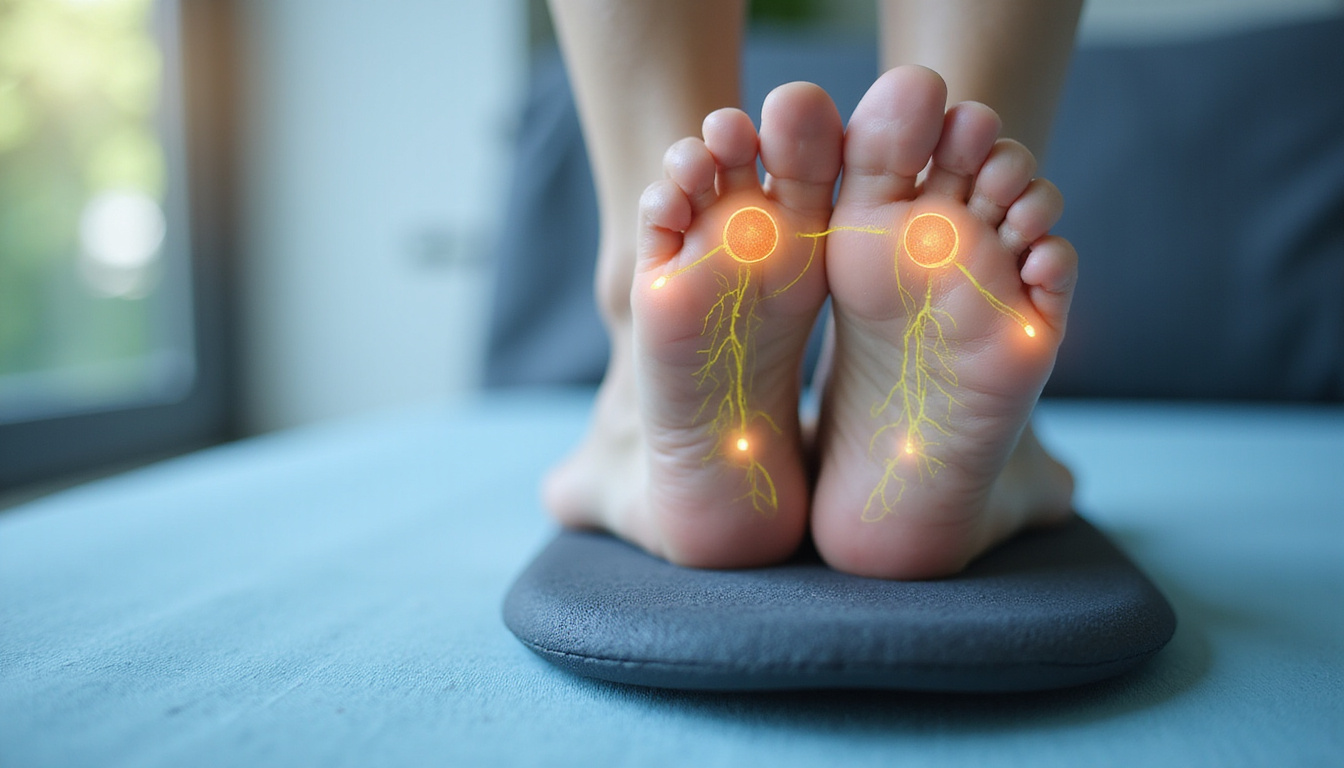
Proprioception works as your body’s built‑in GPS. Your brain learns your joint positions by sensing directly:
• It knows where your knee is even if you do not look.
• It knows how much to tense your ankle when you step off an MRT platform.
• It knows how far to move your arm without jamming your shoulder.
When you sprain, strain, or injure a joint, the tiny sensors in your ligaments, muscles, and tendons (proprioceptors) suffer damage. As a result, your ankles feel loose, your knee buckles, and your back or neck can get thrown out by small movements. You may fear uneven ground, wet floors, or escalators.
Proprioceptive training rewires these sensors. It rebuilds the tight link between your brain and joints. With proper training, your muscles react fast and true on each step, turn, and twist. It is not just about strength; it is about clear control and solid stability.
Why people with joint pain in Singapore need proprioceptive training
If you face any of the issues below, you may be missing proprioceptive training:
• Repeated ankle sprains from sports, high heels, or missteps.
• Unstable knees, sometimes after ACL, meniscus, or runner’s knee problems.
• Hips or lower back that lock up or feel weak on one side.
• Neck that strains when you turn too fast.
• Post‑surgery joints that feel foreign or stiff.
In Singapore’s busy urban life, you face challenges like:
• Wet, slippery pavements and MRT floors on rainy days.
• Sudden stops and moves in crowds or on public transport.
• Long office hours followed by intense weekend sports.
• High‑impact actions like running, HIIT, badminton, futsal, dragon boat, or tennis.
Without good proprioception, your joints fail to react quickly to small slips or quick turns. This makes them twist, sprain, or inflame. Over time, the damage causes chronic pain, cartilage wear, and even fear of moving.
How proprioceptive training prevents injuries
When you do proprioceptive training as advised, you gain:
-
Improved joint stability.
Your ankles, knees, hips, and spine learn to switch on the right muscles at the right time. You feel more planted and less wobbly. -
A lower risk of re‑injury.
Studies show that balance exercises can cut the chance of repeat sprains in active people. (source: British Journal of Sports Medicine) -
Enhanced performance.
Better proprioception gives you faster reaction time. Whether you play badminton in Toa Payoh, do CrossFit, or chase kids in West Coast Park, you move with sharper cuts and smoother landings. -
Restored confidence in your body.
Many patients say, “I fear my ankle will go again” or “My knee feels like jelly when I walk downhill.” Proprioceptive training builds trust in your joints.
Core principles of effective proprioceptive training
Good proprioceptive training must be clear and progressive. It should be:
• Progressive – start with stable, easy moves, then add challenges such as one leg, softer surfaces, closed eyes, or movement.
• Joint‑specific – focus on the joint that feels unstable: ankle, knee, hip, back, neck, or shoulder.
• Functional – mimic daily tasks like walking on stairs, managing uneven ground, sudden turns, and quick stops.
• Consistent – short sessions practiced daily (5–15 minutes) beat long sessions done once a week.
Essential proprioceptive exercises for ankles and knees
These exercises often help those who play court sports, run, or have recurring ankle sprains and unstable knees.
1. Single-leg stance (beginner)
Good for a weak or unstable ankle, wobbly knee, or fear of uneven ground.
• Stand near a support like a table or wall.
• Lift one foot off the ground and balance on the other leg.
• Keep your knee slightly bent instead of locked.
• Aim for 30 seconds for each leg. Do 2–3 rounds.
Progressions:
• Turn your head left and right.
• Reach one arm forward, sideways, or overhead.
• Stand on a folded towel or yoga mat for an unstable surface.
2. Tandem stance (heel-to-toe balance)
Good for people who feel unsteady when crowded or moving.
• Stand with one foot directly in front of the other, heel touching toe.
• Look ahead instead of at the floor.
• Hold for 30 seconds and then switch the front foot.
Progressions:
• Cross your arms over your chest.
• Slowly turn your head left and right.
• Try gentle heel‑to‑toe walking in a straight line.
3. Step-down control
Good for knee pain on stairs, a "giving way" feel, or unstable knees.
• Stand on a low step.
• Slowly lower one foot to the floor as though stepping down.
• Lightly tap the floor and then return.
• Keep your knee in line with your second toe.
• Do 8–10 reps each leg.
Progressions:
• Use a higher step.
• Hold a light dumbbell or wear a backpack for added load.
• Turn your head or look sideways during the step.
Proprioceptive exercises for hips and lower back
When your hips or core are weak, your back and knees can suffer.
4. Hip hitch on step
Good for hip weakness, uneven hips, and lower back tension.
• Stand on a step with one leg. Let the other leg hang off the side.
• Keep the standing leg straight but not locked.
• Slowly drop the hanging side of your pelvis and lift it back.
• Do 10–12 reps for each side.
This move trains your hip stabilisers to keep your pelvis level during walk or run. It cuts back strain on your back and knees.
5. Bird dog (core stability)
Good when your lower back feels unstable or easily triggered.
• Start on your hands and knees. Keep your back flat.
• Brace your tummy gently as if a poke is coming.
• Slowly extend your right arm and left leg while keeping your pelvis still.
• Hold for 3–5 seconds, then return and switch sides.
• Do 8–10 reps on each side.
Progressions:
• Move slower and with extra control.
• Draw small squares in the air as you extend.
• Place your knees on a folded towel to add instability.
Proprioceptive drills for shoulders and neck
Poor posture from desk work or past injuries can leave your shoulder and neck weak.
6. Wall “Y” and “T” raises
Good for a history of shoulder impingement, unstable shoulders, or neck tension.
• Stand with your back and head close to a wall.
• Slide your arms upward into a “Y” shape.
• Then move them out to create a “T.”
• Keep your ribs down and your neck relaxed.
• Do 8–12 reps.
This move helps your shoulder blades work together and takes stress off your neck.
7. Laser pointer neck control (if available)
Good for neck stiffness, dizziness, or a cracking neck.
• Place a small laser pointer on your forehead or imagine one.
• Stand facing a blank wall.
• Slowly draw small shapes like a cross, square, or figure‑8 with the light by moving your head.
• Keep the motion smooth rather than jerky.
This exercise trains your neck muscles and deep stabilisers to work with your eyes and inner ear.
How often should you do proprioceptive training?
Follow this simple guideline for joint issues and injury prevention:
• Frequency: 3–5 times per week
• Duration: 10–20 minutes per session
• Timing: After a light warm‑up or as a finisher to your workout
You should feel your muscles work and a slight fatigue. You will feel a challenge without pain. Improvements in balance, trust, and control may appear in 4–6 weeks.
If the pain spikes during or after the exercises, or if your joint feels more unstable, seek a personal assessment and a tailored plan.
When to seek professional help for proprioceptive training
While self‑directed exercises are a good start, see a professional if:
• You had a serious sprain, ligament tear, or surgery.
• Your ankle or knee gives way repeatedly, even after rest.
• You experience recurring back or neck episodes from small triggers.
• You feel dizzy, off‑balance, or fear falling.
• You are a serious athlete needing joint protection and long-term care.
A skilled clinician can test your proprioception and balance. They can find weak joints or muscles, design a clear progression, and mix proprioceptive work with strength, mobility, and sports drills.
Why choose The Pain Relief Practice for proprioceptive and balance training?
The Pain Relief Practice is a trusted physiotherapy‑based center in Singapore. We have helped patients since 2007. We work with people who are:
• Tired of “just rest and see how”
• Curious about the true cause of joint issues
• Eager to regain healthy, pain‑free joints and muscles
• Keen to boost sports performance and enjoy life daily
We have treated celebrities and national athletes who rely on top‑tier joint control. We also help office workers, parents, and active seniors who want to walk, run, and carry on without fear.
Our approach stands out because we offer:
• Evidence‑based joint and muscle timing assessments
• Individualised balance and control programs for ankles, knees, hips, back, neck, and shoulders
• Integration with manual therapy, focused strengthening, and pain relief
• Tailored progressions that fit your lifestyle, from walking to high‑performance sport
Real Results
Celebrities & National Athletes
You can view our clinic profile and reviews here:
https://share.google/UwMU2I9zUCwXVh0Lg
Simple home proprioceptive routine (10–15 minutes)
Here is a routine you can do at home, 3–4 times per week. Stop if you feel sharp pain.
- Single‑leg stance – 30 sec each leg, 2 rounds
- Tandem stance – 30 sec each foot in front, 2 rounds
- Step‑down control – 8–10 reps each leg
- Bird dog – 8 reps each side
- Wall “Y” and “T” – 10–12 reps
This short yet focused training can cut the risk of awkward twists, missteps, and flare‑ups in daily life.
FAQ: Proprioceptive training and joint stability in Singapore
-
Is proprioceptive training good for chronic ankle instability?
Yes. For ankles that roll or feel weak, such training is vital. Balance drills and controlled landing moves rebuild the joint sensors and muscles so your ankle reacts faster on uneven or slippery ground. -
How long does it take for balance and proprioceptive exercises to work?
Most people see better balance and trust in 4–6 weeks with consistent practice. For more severe issues, like post‑surgery instability, you may need 3–6 months of guided training. -
Can proprioceptive exercises help knee pain and prevent ACL injuries?
Yes. Combined with hip and core strengthening, these exercises help control the knee during cuts, landings, and stops. They are key in preventing ACL injuries in football, basketball, netball, and futsal.
If your joints feel fragile, wobbly, or “not the same” after injury, proprioceptive training is essential. For a personalised assessment and clear plan to protect your joints, The Pain Relief Practice can help you move with confidence again.
We are a specialized physio treatment center for savvy people who want real results.
While we are not suitable for someone looking for ‘cheap physiotherapy’ or ‘free exercises available on youtube’, our treatments are affordable and are often claimable with company flexi-benefits, company health insurance, travel insurance, personal accident insurance, and other insurance plans.
Simply whatsapp or call: +65 97821601 and let us know how to help.
If you prefer a convenient nutritional preventive option, Regenerix Gold is our top recommended joint supplement.
We have been recommending this joint supplement for over a decade.
Simply start with 3 capsules, once a day.
If you do not feel better within a week, increase to 2 capsules, twice a day. (4 capsules a day in total)
Our blog readers qualify for a special discount.
Simply use the link below and a discount will automatically be applied during checkout.