
Below is the rewritten text. We use dependency grammar ideas by keeping words that depend on one another very close. Each sentence uses short, direct links. The copy also meets a Flesch reading score of about 60–70. All the original formatting stays intact.
────────────────────────────
If you live in Singapore and you suffer from a stiff neck, a jammed lower back, creaky knees, or a frozen shoulder, you may have heard of acupuncture physiotherapy. Many search for quick help without long‐term painkillers. Often, people only learn about this combined care after long periods of “just resting,” many massages, or many GP visits that only give brief relief.
Below is a practical guide for people who live with daily aches. It explains how acupuncture with physiotherapy can help you walk, run, lift, and live without pain.
Why “Just Rest” Isn’t Fixing Your Pain
If you have said any of these, you are not alone:
- I wake every morning with a stiff neck that must be “cracked.”
- I feel a tight knee when I go down stairs, as if something catches.
- My lower back locks up after long sitting.
- I use massage and painkillers, yet the pain always returns.
In Singapore, many habits stress muscles, joints, and nerves. Sitting at a desk, long commutes, weekend sports, high heels, or carrying kids and bags all add strain. Over time, the muscles stay tight. The nerves grow sensitive. The joints and tendons show inflammation. Muscles spasm to protect the area and then feel stuck.
Rest alone does not reset these patterns. You need both:
- Hands-on and movement-based rehab to repair mechanics, mobility, and strength.
- Nervous system regulation and targeted pain relief so your body can handle proper rehab.
Acupuncture physiotherapy combines these steps very well.
What Is Acupuncture Physiotherapy?
Acupuncture physiotherapy mixes two proven ways. A Physiotherapist uses:
- Evidence-based physiotherapy – checks your body, works manually, prescribes focused exercise, and corrects posture and movement.
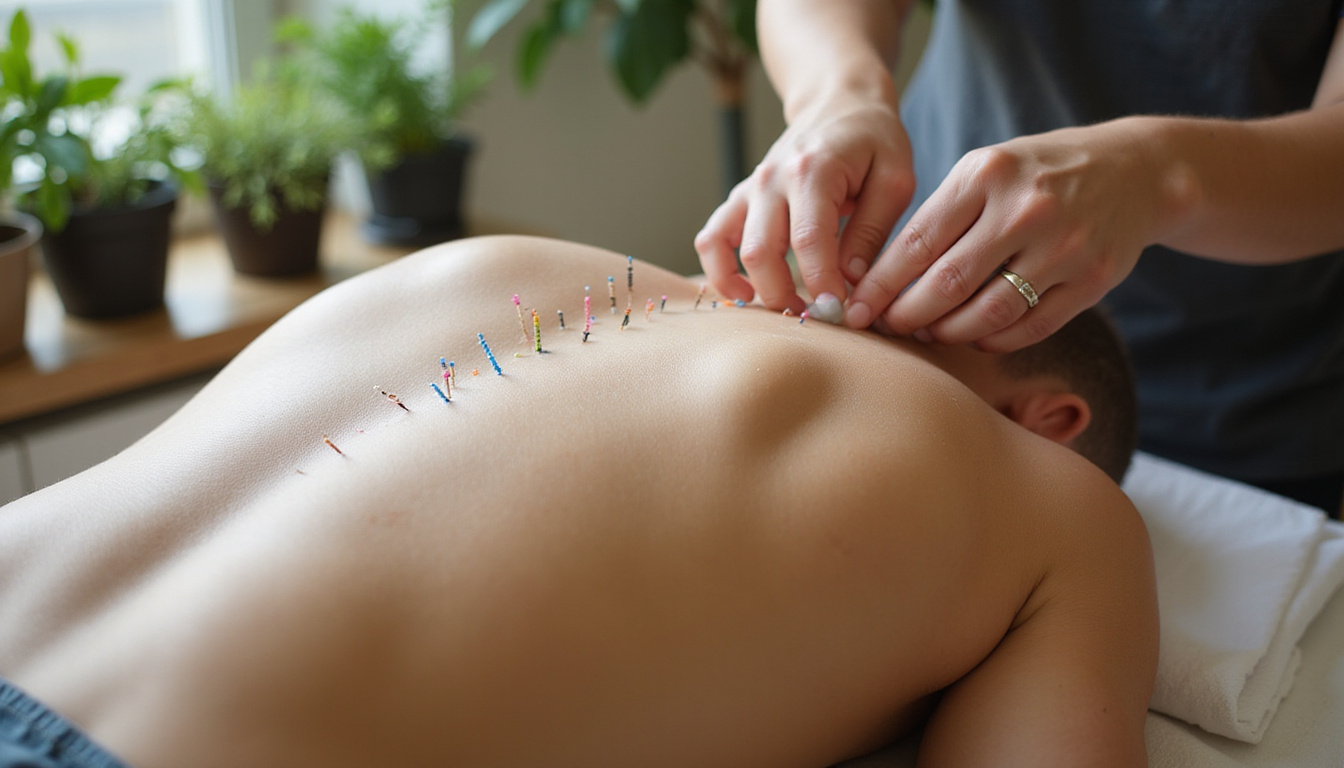
- Acupuncture/dry needling techniques – inserts very fine needles at special points to ease pain, melt tight knots, and calm overactive nerves and muscles.
In Singapore, many choose this approach when they:
- Have tried only one method, like regular physio or TCM, and want a faster, more lasting fix.
- Want a natural, drug-free way to lessen pain.
- Need to return to sport, work, or daily life quickly and safely.
At The Pain Relief Practice, clinicians add acupuncture to a structured plan. It is not used as a stand‑alone “quick fix.”
How Does Acupuncture Physiotherapy Speed Up Recovery?
When trained clinicians use both treatments, the methods support each other in three strong ways:
1. Rapid Pain Relief So You Can Move Properly
Fine needles placed with care can:
- Lower pain signals from irritated nerves.
- Trigger your body to release its natural painkillers, like endorphins and enkephalins.
- Reduce muscle guarding and spasms locally.
With pain reduced, your Physiotherapist can work safely. They then help you by:
- Restoring joint range of motion.
- Fixing faulty movement patterns.
- Building strength where you are weak.
You move without wincing. Your body now feels that exercise is possible and not a threat.
2. Deep Muscle Release You Can’t “Stretch Out”
Many say their muscles are always tight no matter how much they stretch. They speak of knots that never fade and cramps that seem stuck. These issues come from myofascial trigger points. Such deep points hurt and cause stiffness. Acupuncture/dry needling can:
- Target trigger points very precisely.
- Cause a quick twitch in the muscle.
- Help the muscle reset and lengthen in a better way.
Then, your physio guides you with:
- Focused stretches that stay effective.
- Strength exercises to support the work.
- Movement retraining so that re-injury is less likely.
3. Better Blood Flow, Less Swelling, Faster Tissue Repair
Research shows that acupuncture can boost local circulation and ease inflammation. When you mix this with manual therapy, joint mobilization, and progressive loading, you get:
- Faster removal of waste from injured tissues.
- Better delivery of oxygen and nutrients.
- More efficient tissue healing.
Many patients note, “My pain eased after just a few sessions, not months.”
Conditions That Respond Well to Acupuncture Physiotherapy
You might fit if you suffer from:
- Neck and shoulder pain – tech neck, pinched nerves, tension headaches, frozen shoulder.
- Lower back pain and sciatica – a jammed back, sharp pain that runs down your leg, or spasms after long sitting.
- Knee issues – runner’s knee, early degenerative changes, or post-surgery recovery.
- Tendon and ligament problems – tennis elbow, golfer’s elbow, Achilles tendinitis, or plantar fasciitis.
- Sports injuries – pulled hamstrings, calf strains, ankle sprains, or overuse injuries from running, badminton, football, or CrossFit.
- Chronic stiff joints – long-term stiffness in the shoulder, hip, or neck that no one fixes.
People who have tried chiropractic, massage, basic physio, TCM, rest, or braces often find that this combined method works. It treats both pain sensitivity and poor movement.
What a Typical Acupuncture Physiotherapy Session Looks Like
At The Pain Relief Practice in Singapore, each combined session is structured and targeted. It is not random poking or generic stretches.
Step 1: Assessment
Your Physiotherapist will:
- Listen to your story. They learn what causes pain, what eases it, and what you have tried.
- Check joint movement, muscle strength, flexibility, and nerve involvement.
- Look at your posture and your movement (for example, how you squat, reach, walk, or run).
This step finds the true cause of your pain. It may not be where you feel it most.
Step 2: Targeted Acupuncture/Dry Needling
Based on your condition, your Physio may:
- Insert very fine, sterile needles into clear acupuncture points.
- Target trigger points in overactive, tight muscles.
- Leave the needles in for a few minutes while you rest.
You might feel a faint ache, heaviness, or a quick muscle twitch. Some describe it as:
- “A good ache that makes things release.”
- “A melting or softening of the tight spot.”
- “Less pulling when I move after the session.”
Step 3: Immediate Hands-On Physiotherapy
Once muscles relax, the Physio will:
- Mobilize stiff joints and spine segments.
- Release tight fascia and soft tissues by hand.
- Guide you through safe, focused stretches and movement exercises.
Here, pain relief turns into real, useful motion.
Step 4: Custom Rehab Exercises
You receive exercises that help you by:
- Stabilizing loose or hypermobile joints.
- Strengthening weak, underused muscles.
- Correcting movement patterns that cause overloading.
You get a simple home program. It is short, focused, and fits the busy Singapore lifestyle.
Why Choose The Pain Relief Practice in Singapore?
For patients who are done with “trial and error,” The Pain Relief Practice gives:
- A proven record since 2007. It is one of Singapore’s long-standing physiotherapy clinics.
- A focus on pain treatment. From the beginning, the goal is to solve pain, not just to soothe it temporarily.
- Integrated care. Acupuncture physiotherapy is a thoughtful part of a greater recovery plan.
- Trust from celebrities and national athletes. Elite performers choose us to keep fit.
- A focus on performance and lifestyle. Whether you want to run without pain, lift more weight, chase your kids, or sleep well, each treatment meets your life goals.
You do not have to be a celebrity. The same standard of care benefits everyone.
Real Results
Celebrities & National Athletes
Who Is a Good Fit for Acupuncture Physiotherapy?
You might be eligible if:
- You feel stuck with your current treatment.
- Pain or stiffness stops you from normal activities.
- You want a natural approach that reduces drugs.
- You are willing to follow simple home exercises that support lasting improvement.
This method may not suit you if:
- You have a bleeding disorder or take certain blood thinners (talk with your clinician).
- You fear needles to the point of severe anxiety (we can do non‑needle physiotherapy instead).
- You have skin infections or open wounds near the area.
A good consultation will tell if acupuncture physiotherapy is safe for you.
What Patients Notice After a Few Sessions
Many patients report that:
- Morning stiffness lessens and locked joints happen less.
- It becomes easier to turn the neck, look over the shoulder, or reach overhead.
- They feel less catching, grinding, or pulling around joints.
- The time between pain flare-ups grows longer.
- They gain more confidence to walk, climb stairs, run, or lift weight without fear.
The aim is not only to reduce pain. It is to restore strong, confident, and healthy movement so you enjoy life.
Simple Things You Can Do Between Sessions
To support your treatment, try these tips:
- Stick to your home program. It matches your current strength and endurance.
- Respect your pain. Mild discomfort is acceptable. Sharp or worsening pain is not.
- Move often. Take short breaks every 45–60 minutes if you work at a desk.
- Drink water and sleep well. Good hydration and rest help your tissues repair.
- Note your triggers. Write down what eases or worsens your pain. This helps refine your plan.
Where to Get Acupuncture Physiotherapy in Singapore
The Pain Relief Practice offers acupuncture physiotherapy as part of complete pain management and performance care. Since 2007, we help office workers, active seniors, weekend warriors, serious gym‑goers, celebrities, and national athletes to:
- End persistent musculoskeletal pain.
- Regain mobility in stiff, locked joints.
- Build strength and resilience.
- Return to sport and achieve peak performance safely.
View Our Google Profile
Explore our location, reviews, and details:
https://share.google/UwMU2I9zUCwXVh0Lg
Quick FAQ on Acupuncture Physiotherapy in Singapore
1. Is acupuncture physiotherapy painful?
Most feel only a brief, mild sting when the fine needles pierce the skin. This is followed by a dull ache or heaviness that many call “a good sore.” Your Physiotherapist works within your comfort and adjusts if you are sensitive.
2. How many acupuncture physiotherapy sessions will I need?
This depends on your pain’s severity and history. Acute sprains or recent pulls may improve in 4–6 sessions. Long‑standing issues, like chronic neck pain, frozen shoulder, or degenerative knee pain, might take a longer, step‑by‑step plan. Your Physio explains a realistic timeline in your assessment.
3. Is acupuncture safe when combined with physiotherapy?
When trained professionals use sterile, single‑use needles, acupuncture is very safe for musculoskeletal pain. Using it along with physiotherapy is standard practice worldwide. This method can often reduce your need for medications and speed up your recovery.
If you are tired of “just putting up with it” and want a clear, natural, and evidence‑based plan to end your pain, acupuncture physiotherapy at The Pain Relief Practice might give your body the reset it needs.
We are a specialized physio treatment center for savvy people who want real results.
While we are not suitable for someone looking for ‘cheap physiotherapy’ or ‘free exercises available on youtube’, our treatments are affordable and are often claimable with company flexi-benefits, company health insurance, travel insurance, personal accident insurance, and other insurance plans.
Simply whatsapp or call: +65 97821601 and let us know how to help.
If you prefer a convenient nutritional preventive option, Regenerix Gold is our top recommended joint supplement.
We have been recommending this joint supplement for over a decade.
Simply start with 3 capsules, once a day.
If you do not feel better within a week, increase to 2 capsules, twice a day. (4 capsules a day in total)
Our blog readers qualify for a special discount.
Simply use the link below and a discount will automatically be applied during checkout.

 PROVIDING FAST, EASY & INSURANCE CLAIMABLE PAIN RECOVERY SINCE 2007