
As a runner, experiencing discomfort in the knee, commonly referred to as runner’s knee, can be frustrating. With a growing number of individuals in Singapore engaging in running and other physical activities, understanding runner’s knee physio treatment in Singapore is crucial for maintaining an active lifestyle. This guide offers insights into the causes, symptoms, and importance of physiotherapy in effectively managing runner’s knee, ensuring that you can get back on track without compromising your health or performance.
Key Takeaways
- Runner’s knee is often caused by improper running techniques and can manifest as pain around the kneecap.
- Physiotherapy plays a crucial role in alleviating pain and restoring function for runner’s knee sufferers.
- Effective physiotherapy techniques include strengthening exercises, manual therapy, and gait analysis to improve running mechanics.
- Choosing the right physiotherapist in Singapore is essential for personalized treatment and optimal recovery.
- Preventing future injuries involves proper warm-ups, strength training, and maintaining appropriate footwear.
Understanding Runner’s Knee: Causes and Symptoms
Runner’s knee, clinically known as patellofemoral pain syndrome, is a common condition that impacts many runners and athletes, characterized by discomfort in the knee area. This condition can be very bothersome, especially for those in Singapore who love staying active. In this section, we’ll explore the underlying causes and the symptoms associated with this ailment, offering insight into why it occurs.
### Causes
Runner’s knee can result from several factors, including:
1. Overuse: Engaging in high volumes of running without proper recovery can lead to wear and tear on the knee.
2. Biomechanical Issues: Poor alignment of the leg bones or improper foot arch can put excessive stress on the knee joint.
3. Weak Muscles: Weakness in the quadriceps, hamstrings, or hip muscles can fail to stabilize the kneecap, resulting in pain.
4. Inappropriate Footwear: Wearing shoes that lack cushioning or support can increase the risk of developing this condition.
### Symptoms
The classic symptoms of runner’s knee include:
• Pain around the kneecap, particularly when descending stairs or sitting for long periods
• Swelling in the knee area
• A crunching sensation during knee movement
• Discomfort that worsens during specific activities such as running, jumping, or squatting
Recognizing these symptoms early is crucial for effective recovery. If you experience any signs of runner’s knee, seeking runner’s knee physio treatment in Singapore can guide you towards proper management and rehabilitation. The Pain Relief Practice specializes in this area, helping individuals regain mobility and alleviate pain.
The Importance of Physiotherapy in Treating Runner’s Knee
### The Importance of Physiotherapy in Treating Runner’s Knee
For individuals in Singapore suffering from runner’s knee, finding effective treatment is essential to alleviate pain and restore mobility. This common condition, medically known as patellofemoral pain syndrome, often plagues runners, cyclists, and athletes who frequently engage in high-impact activities. Runner’s knee is characterized by discomfort around the kneecap and can significantly affect one’s ability to participate in physical activities. Fortunately, runner’s knee physio treatment in Singapore offers a comprehensive approach to healing and rehabilitation.
Physiotherapy is highly regarded as one of the most effective methods for addressing the underlying issues associated with runner’s knee. A skilled physiotherapist evaluates the patient’s condition thoroughly, taking into account their medical history and biomechanics. The treatment plan may involve:
1. Pain Management: Utilizing modalities such as ice therapy, ultrasound, or electrical stimulation to reduce inflammation and relieve pain.
2. Strengthening Exercises: Focusing on building strength in the quadriceps, hamstrings, and hip muscles that support the knee joint, helping to stabilize it during movement.
3. Stretching Routines: Promoting flexibility in the surrounding muscles, which can prevent the overuse and strain that often lead to runner’s knee.
4. Gait Analysis and Training: Assessing and correcting running technique to reduce stress on the knees and enhance performance.
5. Patient Education: Providing insights into proper footwear, training loads, and recovery protocols to prevent future occurrences of runner’s knee.
At The Pain Relief Practice, we specialize in runner’s knee physio treatment, ensuring our patients receive tailored care that addresses their specific needs, whether they are seasoned athletes or casual joggers. By utilizing our comprehensive treatment plans, clients not only experience relief from their knee pain but can also regain their functional abilities and return to their active lifestyles.
‘The only way to discover the limits of the possible is to go beyond them into the impossible.’ – Arthur C. Clarke
Key Physiotherapy Techniques for Effective Treatment
## Key Physiotherapy Techniques for Effective Treatment
When it comes to addressing common conditions such as runner’s knee, a comprehensive understanding of effective physiotherapy techniques is crucial. In Singapore, residents experiencing symptoms associated with runner’s knee—such as pain around the kneecap, swelling, and difficulty in extending the knee—often seek targeted therapies that specifically address their needs.
###
1. Manual Therapy
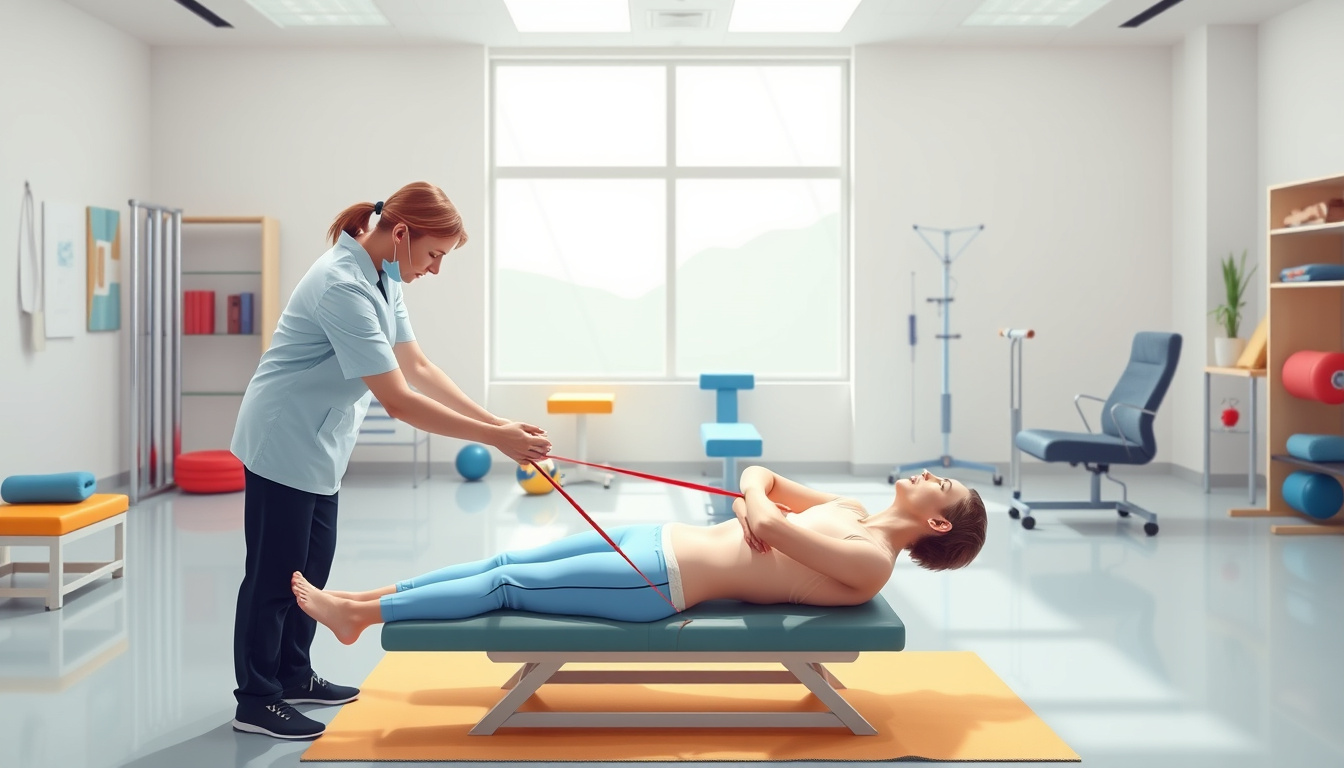
Manual therapy involves hands-on techniques to mobilize restricted joints and soft tissue around the knee. Physiotherapists use various mobilizations and manipulation techniques to alleviate pain and improve range of motion in affected areas.
###
2. Strengthening Exercises
Focusing on the muscles around the knee and the core can significantly enhance stability. A tailored exercise program often includes:
• Quadriceps strengthening to support knee function
• Hip abductors exercises to ensure proper alignment
• Core stability exercises for overall balance.
###
3. Stretching Programs
Flexibility is essential for preventing further injuries. Stretching programs that focus on the hamstrings, quadriceps, calves, and hip flexors help maintain optimal muscle length and reduce tension around the knee joint.
###
4. Ergonomic Assessments
Sometimes, running technique or shoe choice can contribute significantly to knee problems. A physiotherapist can analyze running biomechanics and suggest equipment suited for individual foot and body types, further supporting recovery.
###
5. Modalities
In some cases, incorporating treatment modalities—such as ice therapy, ultrasound, or electrical stimulation—can accelerate the recovery process by reducing pain and inflammation, allowing patients to engage more effectively in their rehabilitation programs.
###
6. Education and Self-Management
Clients are educated about their condition and taught self-management strategies. This empowers them to control their symptoms effectively, allowing for a more proactive role in their recovery.
At The Pain Relief Practice, we specialize in runner’s knee physio treatment in Singapore, guiding patients through these techniques. Our clinic has built a solid reputation since 2007, treating not only everyday individuals but also celebrities and national athletes looking to enhance their performance while ensuring their joints and muscles are at their best.
Finding the Right Physiotherapist for Runner’s Knee in Singapore
## Finding the Right Physiotherapist for Runner’s Knee in Singapore
If you’re among the many active individuals living in Singapore who suffer from runner’s knee, you’re likely searching for effective solutions to alleviate your pain and restore your mobility. Runner’s knee, or patellofemoral pain syndrome, is a common condition that affects runners and sports enthusiasts, characterized by pain around the kneecap. Runner’s knee physio treatment in Singapore focuses on addressing the underlying issues contributing to this condition, and finding the right physiotherapist is crucial for your recovery journey.
When looking for a physiotherapist, consider these factors:
1. Qualifications and Experience: Ensure the physiotherapist is licensed and has experience dealing with sports injuries. Look for those who specialize in treating knee pain and have a substantial background in sports physiotherapy.
2. Treatment Approach: Different practices utilize varying techniques. A physiotherapist who incorporates manual therapy, tailored exercise regimes, and modalities such as ultrasound therapy can provide comprehensive care for runner’s knee.
3. Patient Testimonials: Scan reviews or testimonials from former patients to gauge the effectiveness of treatment methods. Those who’ve experienced runner’s knee physio treatment in Singapore may share insights about their recovery, offering you a glimpse into the clinic’s success rates.
4. Personalized Care: A good physiotherapist should offer personalized treatment plans that consider your specific condition, activity level, and lifestyle.
5. Facility Reputation: Opt for a physiotherapy center with a solid reputation, one that has treated celebrities and national athletes, such as The Pain Relief Practice. Established in 2007, they have gained recognition for their expertise in resolving musculoskeletal issues, including runner’s knee.
6. Convenience and Accessibility: Your physiotherapy sessions should fit into your schedule effortlessly. Look for clinics that are conveniently located in Singapore, such as The Pain Relief Practice, to ensure you can easily attend regular sessions without hassle.
By taking the time to find the right physiotherapist, you’ll be better positioned to manage your runner’s knee effectively and restore your active lifestyle.

Tips for Recovery and Preventing Future Injuries
### Tips for Recovery and Preventing Future Injuries
If you find yourself struggling with runner’s knee, also known as patellofemoral pain syndrome, it’s crucial to take proactive steps towards recovery and preventing future injuries. As a dedicated runner or an active individual in Singapore, maintaining healthy knees is essential for your performance and enjoyment of life. Here are some tips that can significantly help you mitigate the discomfort and get back on your feet:
1. Invest in Runner’s Knee Physio Treatment in Singapore: Seeking specialized physiotherapy can make a substantial difference. A tailored treatment plan addressing your specific needs will help alleviate pain and strengthen the supporting muscles around your knee.
2. Ice Your Knee Post-Activity: Applying ice packs helps reduce inflammation and throbbing after runs or workouts. Aim to ice your knee for 15-20 minutes in intervals, especially after any physical activity.
3. Gradually Increase Mileage: Whether you’re training for a marathon or enjoy recreational running, avoid sudden spikes in your running distance. Gradual increases—typically no more than 10% each week—can help prevent strain on your knees.
4. Strengthen Supporting Muscles: Engage in strength training focused on the quadriceps, hamstrings, and hip muscles. Stronger musculature helps take stress off your knee joint.
5. Evaluate Your Footwear: Ensure you’re wearing appropriate running shoes that provide ample support. Consider replacement if your shoes are excessively worn out to avoid further complications.
6. Cross-Train: Incorporate other forms of low-impact activities such as swimming or cycling into your regimen. These activities allow you to stay active while giving your knee some much-needed rest.
7. Focus on Flexibility: Incorporate stretching exercises into your daily routine to maintain joint flexibility. Tight muscles can pull the kneecap out of alignment, increasing the risk of injury.
8. Consult Experts Regularly: Regular check-ins with physiotherapy experts at The Pain Relief Practice can provide ongoing support and adjustments to your treatment plan based on your recovery progress.
By committing to these recovery steps, individuals in Singapore can better manage runner’s knee and enhance their overall athletic performance.
We are a specialized physio treatment center for savvy people who want real results.
While we are not suitable for someone looking for ‘cheap physiotherapy’ or ‘free exercises available on youtube’, our treatments are affordable and are often claimable with company flexi-benefits, company health insurance, travel insurance, personal accident insurance, and other insurance plans.
Simply whatsapp or call: +65 97821601 and let us know how to help.
If you prefer a convenient nutritional preventive option, Regenerix Gold is our top recommended joint supplement.
We have been recommending this joint supplement for over a decade.
Simply start with 3 capsules, once a day.
If you do not feel better within a week, increase to 2 capsules, twice a day. (4 capsules a day in total)
Our blog readers qualify for a special discount.
Simply use the link below and a discount will automatically be applied during checkout.
 PROVIDING FAST, EASY & INSURANCE CLAIMABLE PAIN RECOVERY SINCE 2007