Iliotibial Band Syndrome (ITBS) is a common ailment, particularly among runners, cyclists, and active individuals in Singapore. This painful condition occurs when the iliotibial band—a thick band of tissue that runs along the outside of your thigh—becomes tight or inflamed. If you’re experiencing discomfort, stiffness, or pain on the outside of your knee or hip, understanding iliotibial band syndrome physio treatment in Singapore is essential. This article will guide you through the causes and symptoms of ITBS, the various physiotherapy treatments available, and tips for prevention and self-care, ensuring you can return to your active lifestyle pain-free.

Key Takeaways
- Iliotibial Band Syndrome (ITBS) is commonly caused by overuse and can lead to significant knee pain.
- Physiotherapy treatments for ITBS in Singapore include manual therapy, strengthening exercises, and stretching techniques.
- Specific treatment techniques such as dry needling and ultrasound therapy can effectively relieve ITBS symptoms.
- Preventative measures and self-care practices are essential for managing ITBS and avoiding further injuries.
- Choosing a qualified physiotherapist with experience in treating ITBS is crucial for effective recovery.
Understanding Iliotibial Band Syndrome: Causes and Symptoms
Iliotibial Band Syndrome (ITBS) is a common overuse injury among runners and athletes, characterized by lateral knee pain. This condition arises when the iliotibial band, a fibrous tissue that runs along the outer thigh from the hip to the shin, becomes tight or irritated as it frequently rubs against the femur (thigh bone) during movement, especially during repetitive activities like running.
### Causes of Iliotibial Band Syndrome
Understanding the causes of ITBS can help in its prevention and treatment. Some common factors include:
1. Improper Footwear: Wearing shoes that do not provide adequate support can lead to biomechanical issues.
2. Training Errors: An abrupt increase in mileage or intensity without proper conditioning can overload the iliotibial band.
3. Muscle Weakness: Weak hip and thigh muscles may fail to stabilize the leg correctly during activities, leading to excess tension on the iliotibial band.
4. Improper Running Form: Poor biomechanics can contribute to the irritation of the band. For instance, running downhill can exacerbate symptoms due to the angle of knee flexion.
### Symptoms of Iliotibial Band Syndrome
Individuals with ITBS often report a sharp or burning pain on the outside of the knee, particularly during physical activities. Other symptoms can include:
• Swelling or inflammation around the knee area.
• Pain that worsens with prolonged activities, such as running or cycling.
• A creaking or snapping sensation during movement.
If you’re experiencing any of these signs or symptoms, seeking prompt professional care can significantly aid recovery. Engaging in iliotibial band syndrome physio treatment in Singapore is an effective approach to alleviating pain and restoring function.
Overview of Physiotherapy Treatments Available in Singapore
Iliotibial Band Syndrome (ITBS) is a common injury that often affects runners and athletes in Singapore. This condition occurs when the iliotibial band—a thick band of tissue that runs along the outside of the thigh from the hip to the knee—becomes tight or inflamed, leading to pain on the outer side of the knee. For those suffering from this debilitating issue, effective treatment options can make all the difference. In Singapore, physiotherapy is at the forefront of rehabilitation, providing specialized techniques to alleviate discomfort and address the root causes of ITBS. With a focus on personalized care, physiotherapists employ a combination of manual therapy, targeted exercises, and education to restore optimal function in patients. Approaching treatment comprehensively, physiotherapy not only helps manage pain but also aims to strengthen surrounding muscle groups and prevent future injuries. At The Pain Relief Practice, our experienced physiotherapists are dedicated to developing individualized treatment plans for every patient, leveraging the latest evidence-based practices to promote recovery and enhance performance.
‘The greatest wealth is health.’ – Virgil
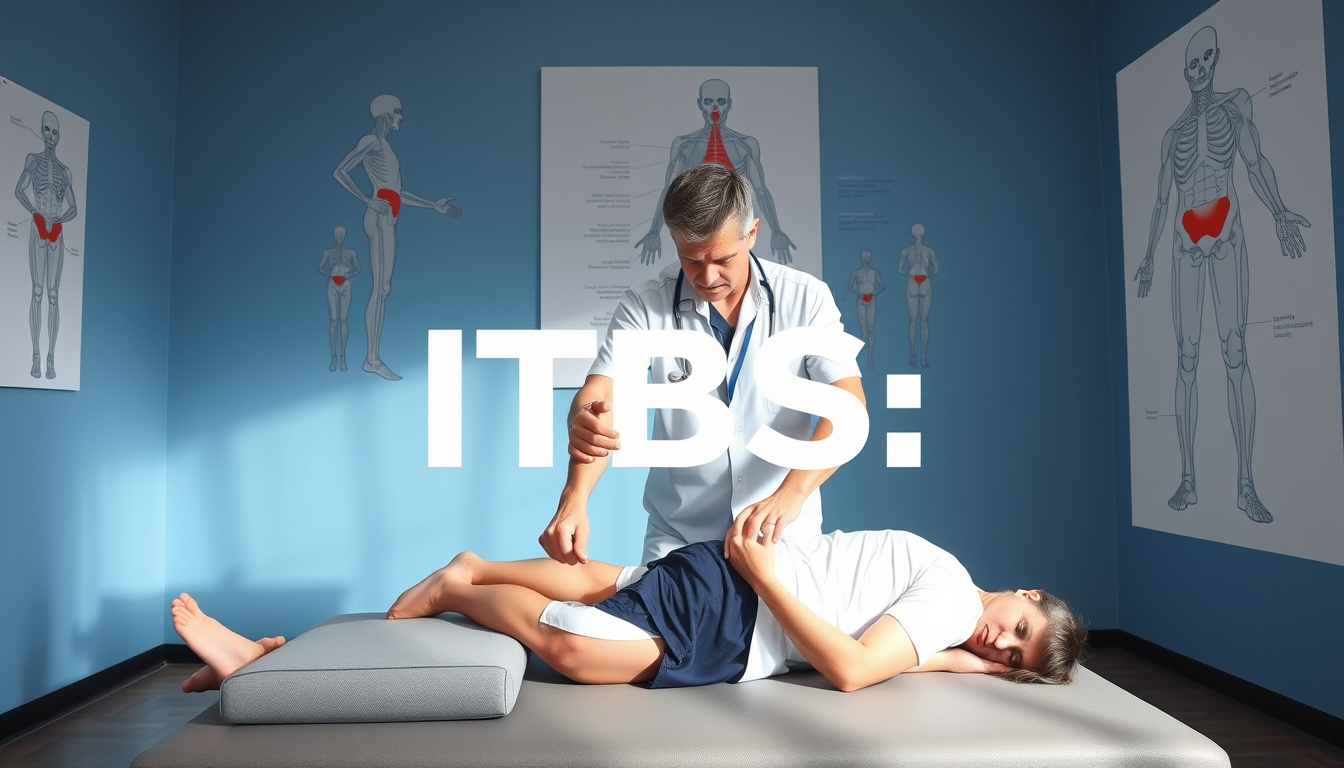
Specific Techniques Used in Physio Treatments for ITBS
## Specific Techniques Used in Physio Treatments for ITBS
When it comes to addressing iliotibial band syndrome (ITBS), physiotherapists in Singapore employ a range of specialized techniques to alleviate discomfort and restore function. Understanding the root causes of ITBS is crucial, as it often stems from repetitive activities such as running or cycling, leading to inflammation and pain along the outer side of the knee. Here are some effective physiotherapy techniques that are commonly used in treatment for ITBS:
1. Manual Therapy: This hands-on approach facilitates the release of tension in the iliotibial band and surrounding muscles. Techniques such as gentle stretching and mobilization can improve flexibility and reduce stiffness in the affected area.
2. Dry Needling: This technique targets specific trigger points in the iliotibial band and related muscle groups. By inserting a fine needle into these knots, physiotherapists can promote local blood flow and facilitate muscle relaxation, significantly reducing pain and discomfort.
3. Strengthening Exercises: A tailored exercise program is essential for strengthening the hip and gluteal muscles, which play a crucial role in stabilizing the knee. These targeted exercises can help prevent future recurrences of ITBS by improving overall biomechanical function.
4. Taping Techniques: Physiotherapists may apply kinesiology taping to support the iliotibial band and alleviate tension during physical activities. This dynamic tape technique encourages proper movement patterns and helps in managing pain.
5. Education and Ergonomic Assessment: Understanding the biomechanical influences that contribute to ITBS is fundamental. Physiotherapists will often provide advice on running techniques, footwear, and training regimes to prevent excessive strain on the iliotibial band.
By encompassing these effective techniques in the treatment plan, physiotherapists at The Pain Relief Practice are committed to helping individuals in Singapore recover from ITBS. Our goal is to restore proper function, prevent recurrences, and ultimately enhance your quality of life.
Tips for Prevention and Self-Care in Iliotibial Band Syndrome
### Tips for Prevention and Self-Care in Iliotibial Band Syndrome
Iliotibial Band Syndrome (ITBS) can be a persistent issue for many individuals, particularly for those who lead active lifestyles or are involved in endurance sports. To effectively manage and prevent this painful condition, incorporating a robust self-care regimen is essential, alongside professional iliotibial band syndrome physio treatment in Singapore. Here are several tips for prevention and self-care:
1. Stretch Regularly: Incorporating regular stretching into your daily routine is vital. Focus on the hip flexor, quadricep, and hamstring muscles to maintain flexibility in the iliotibial band.
2. Strengthening Exercises: Building strength in the hip abductors and gluteal muscles can provide better support for your knee joint, reducing the risk of ITBS. Consider exercises like clamshells and lateral leg raises.
3. Modify Training: Avoid sudden increases in training intensity or duration. Gradually increase your activity level to give your body time to adapt.
4. Choose Supportive Footwear: Investing in proper footwear that provides adequate arch support and cushioning can help alleviate undue stress on your knees while running or walking.
5. Cross-Train: Engage in low-impact activities such as swimming or cycling to reduce strain on the iliotibial band and knee, providing variety while maintaining fitness.
6. Rest When Needed: Learn to listen to your body. If you start feeling discomfort, allow for adequate rest and recovery before resuming physical activities.
7. Professional Help: Consult with specialized physiotherapists at The Pain Relief Practice, who have extensive experience in treating ITBS. Their expert guidance can help you develop a personalized rehabilitation strategy, which has effectively treated both celebrities and national athletes in Singapore.
By adopting these preventative measures and committing to a sensible self-care routine, you can significantly minimize the risk of developing iliotibial band syndrome while enhancing your overall performance and mobility.
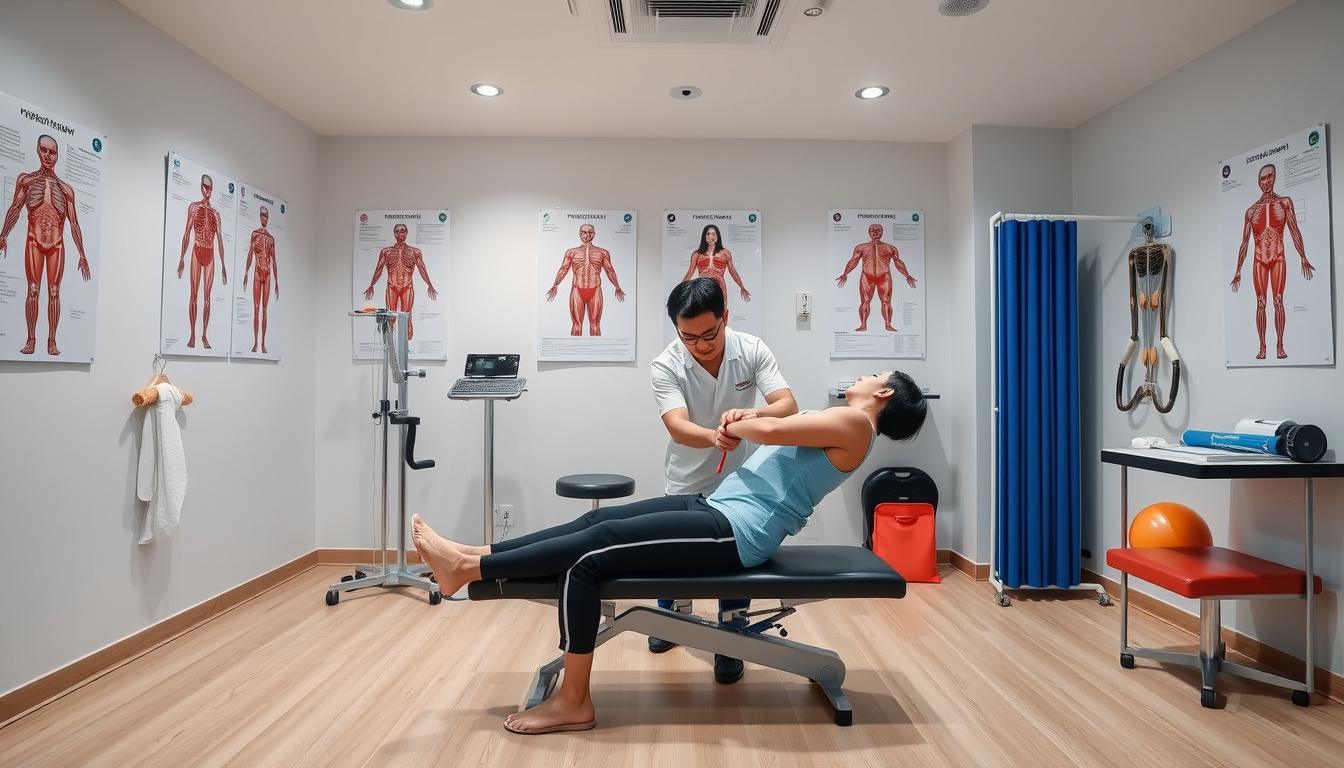
Finding the Right Physiotherapist in Singapore for ITB Issues
Finding the Right Physiotherapist in Singapore for ITB Issues
If you’re grappling with Iliotibial Band Syndrome (ITBS), you know how crucial it is to connect with a physiotherapist who can provide effective relief. ITBS typically manifests as discomfort on the outside of the knee, commonly affecting runners and cyclists, but it can also impact others engaged in repetitive leg movements. The good news is that specialized physiotherapy can help alleviate your symptoms.
When searching for the right practitioner in Singapore for iliotibial band syndrome physio treatment, consider these essential factors:
1. Experience and Expertise: Choose a physiotherapist who has a solid background in treating ITBS. Look for credentials and years of practice.
2. Approach: Ensure their treatment philosophy aligns with your needs. Some may emphasize manual therapy, while others might focus on exercise-based rehabilitation.
3. Patient Testimonials: Check reviews or testimonials from past patients to gauge their success in treating similar conditions.
4. Facility Quality: A well-equipped clinic with advanced technology can enhance your recovery experience.
5. Personalized Treatment Plans: Seek out physiotherapists who tailor treatment plans to address your specific symptoms and lifestyle.
At The Pain Relief Practice, we pride ourselves on providing specialized pain treatment for patients experiencing joint and muscle discomfort, including iliotibial band syndrome. Since 2007, our experienced physiotherapists have successfully treated countless individuals in Singapore, including celebrities and national athletes, helping them regain healthy joints and improve their performance. We believe in a patient-centric approach, ensuring each patient feels heard and supported throughout their rehabilitation journey. Whether you’re a professional athlete or a weekend warrior, our goal is to restore your body’s natural function and help you enjoy life to the fullest.
We are a specialized physio treatment center for savvy people who want real results.
While we are not suitable for someone looking for ‘cheap physiotherapy’ or ‘free exercises available on youtube’, our treatments are affordable and are often claimable with company flexi-benefits, company health insurance, travel insurance, personal accident insurance, and other insurance plans.
Simply whatsapp or call: +65 97821601 and let us know how to help.
If you prefer a convenient nutritional preventive option, Regenerix Gold is our top recommended joint supplement.
We have been recommending this joint supplement for over a decade.
Simply start with 3 capsules, once a day.
If you do not feel better within a week, increase to 2 capsules, twice a day. (4 capsules a day in total)
Our blog readers qualify for a special discount.
Simply use the link below and a discount will automatically be applied during checkout.