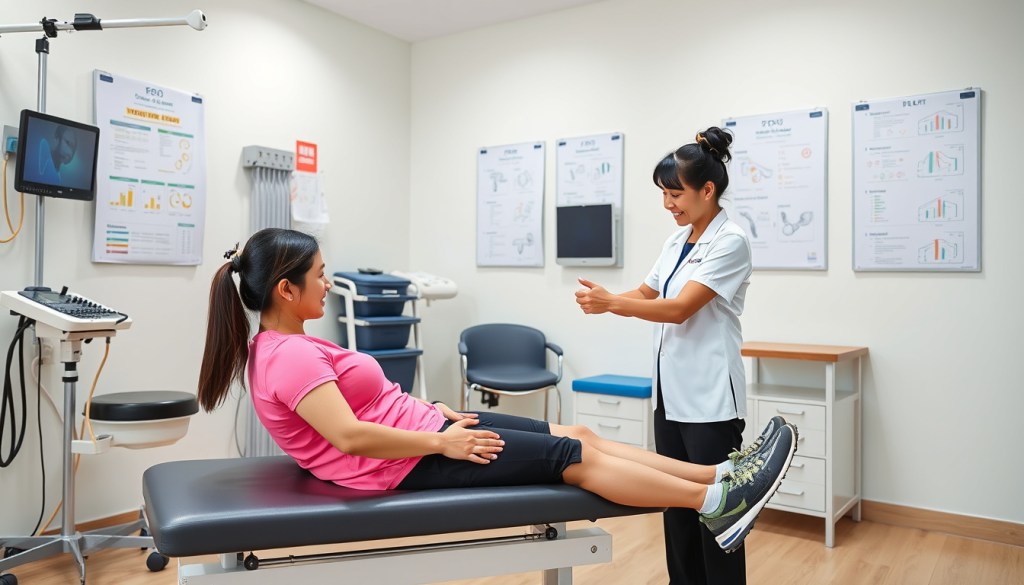
Iliotibial Band Syndrome, often referred to as IT Band Syndrome, is a common condition that affects many individuals in Singapore, particularly those with active lifestyles or those who have experienced musculoskeletal discomfort. If you’re grappling with knee pain on the outer side, this may be due to iliotibial band syndrome. As we delve into this article, we will explore the symptoms, causes, and most importantly, the physiotherapy costs associated with treating this condition in Singapore. Understanding these aspects will not only empower you to make informed decisions regarding your treatment options but also help you regain full functionality, enjoy an active lifestyle, and reclaim your joy in movement.
<img src='https://im.runware.ai/image/os/a08dlim3/ws/3/ii/56a7dd38-c7f7-4800-a4f4-3515fb808c0
1.jpg’ alt=’Understanding Iliotibial Band Syndrome: Physiotherapy Costs in Singapore Revealed’ style=’display: block; margin: auto; max-width: 100%; height: auto;’>
Key Takeaways
- Iliotibial Band Syndrome is a common overuse injury affecting runners and active individuals.
- Symptoms include lateral knee pain, swelling, and discomfort during activities such as running.
- Physiotherapy plays a crucial role in managing and treating Iliotibial Band Syndrome through strengthening and stretching exercises.
- In Singapore, the average cost of physiotherapy for this condition can vary widely based on clinic and treatment frequency.
- Selecting a qualified physiotherapist is essential for effective treatment and recovery from Iliotibial Band Syndrome.
What is Iliotibial Band Syndrome?
### What is Iliotibial Band Syndrome?
Iliotibial Band Syndrome (ITBS) is a common musculoskeletal condition primarily affecting runners, cyclists, and athletes who engage in repetitive knee flexion and extension movements. This syndrome occurs when the iliotibial band, a thick band of fascia that runs down the outside of the thigh from the pelvis to the shin, becomes tight or inflamed. Symptoms often include lateral knee pain, discomfort during movement, and sometimes swelling. Individuals experiencing these symptoms may find that their athletic performance is hindered, and daily activities become challenging.
In Singapore, where many active individuals are pursuing fitness goals, understanding the causes, symptoms, and treatments for conditions like ITBS is imperative. Two crucial aspects to consider are the implications of the iliotibial band syndrome physiotherapy cost Singapore and the potential for relief and rehabilitation.
Physiotherapy is often recommended for ITBS as it helps to reduce pain, improve flexibility, and strengthen surrounding muscles. The cost of physiotherapy can vary widely depending on the treatment protocols used, the clinic’s reputation, and the physiotherapist’s expertise. At The Pain Relief Practice, we focus on delivering tailored treatments for iliotibial band syndrome and similar conditions, ensuring that our patients not only receive effective care but also understand the financial aspects involved.
Symptoms and Causes of Iliotibial Band Syndrome
### Symptoms and Causes of Iliotibial Band Syndrome
Iliotibial band syndrome (ITBS) is a common condition that affects many individuals, particularly those who are active or involved in sports. The primary symptom of ITBS is pain located on the outer side of the knee, which may radiate up the thigh or down the leg. This discomfort typically worsens with activities such as running, cycling, or climbing stairs. Patients may also experience a clicking or snapping sensation as the iliotibial band moves over the knee joint.
The causes of iliotibial band syndrome can vary, but they often stem from repetitive friction between the iliotibial band and the lateral femoral epicondyle of the femur during movement. Common contributing factors include:
1. Overuse: Engaging in high-impact activities without adequate rest can lead to inflammation of the iliotibial band.
2. Improper Footwear: Wearing shoes lacking proper support may alter gait mechanics, adding stress to the band.
3. Biomechanical Issues: Flat feet, leg length discrepancies, and pelvic misalignment can increase the risk of developing ITBS.
4. Inadequate Warm-Up: Failing to properly stretch or warm up before physical activity can lead to tightness in the iliotibial band.
For those experiencing musculoskeletal symptoms and discomfort, early diagnosis and treatment are crucial. Physiotherapy is a beneficial route to explore for those suffering from iliotibial band syndrome. In Singapore, the physiotherapy cost can vary, but investing in specialized care can ensure that you return to your favorite activities and regain healthy joint function.
‘An ounce of prevention is worth a pound of cure.’ – Benjamin Franklin

Role of Physiotherapy in Treatment
## Role of Physiotherapy in Treatment
When it comes to addressing conditions such as iliotibial band syndrome, physiotherapy serves a crucial role in managing symptoms and improving function. For residents in Singapore, understanding the iliotibial band syndrome physiotherapy cost can be essential not only for budgeting but also for recognizing the value of professional care in enhancing mobility and relieving discomfort.
Iliotibial band syndrome, characterized by pain on the outer side of the knee (or sometimes the hip), can prevent avid runners and outdoor enthusiasts from enjoying their favorite activities. Fortunately, physiotherapy offers a range of treatments aimed specifically at addressing these issues.
### Comprehensive Assessment
The first step in any physiotherapy program is a thorough assessment. Your physiotherapist will evaluate your posture, gait, and muscle mechanics to identify the underlying causes of your iliotibial band syndrome as well as any contributing factors. This detailed understanding allows for the design of a personalized treatment plan that targets your specific symptoms.
### Specialized Techniques
Physiotherapy utilizes several specialized techniques to alleviate pain, promote healing, and restore function, including:
1. Manual Therapy: Skilled hands-on techniques to relieve tension in the iliotibial band and surrounding muscles.
2. Stretching and Strengthening Exercises: Tailored exercises to improve muscle balance and flexibility can drastically reduce stress on the iliotibial band.
3. Modalities for Pain Relief: Tools such as ultrasound, electrical stimulation, and hot/cold therapy can be incorporated to manage pain levels effectively.
4. Education and Advice: Physiotherapists provide knowledgeable guidance on training techniques, footwear, and proper movement patterns to prevent future flare-ups.
### Monitoring Progress
Regular sessions allow physiotherapists to monitor your progress closely. Adjustments can be made to your treatment plan based on your feedback and physical responses, ensuring the most effective treatment possible.
### Conclusion
Investing in physiotherapy can greatly enhance your overall quality of life, especially if you’re living with iliotibial band syndrome. Understanding the iliotibial band syndrome physiotherapy cost in Singapore can help you make informed decisions about your health and recovery, leading to an improved ability to engage in activities that you love.
Average Physiotherapy Costs for Iliotibial Band Syndrome in Singapore
### Average Physiotherapy Costs for Iliotibial Band Syndrome in Singapore
When dealing with iliotibial band syndrome (ITBS), understanding the financial aspects of treatment can be crucial for effective recovery. Many residents in Singapore are keen on learning the iliotibial band syndrome physiotherapy cost Singapore, especially those who experience chronic pain or discomfort that hinders their mobility and daily activities. The physiotherapy costs for ITBS can vary, depending on the clinic, the experience of the physiotherapist, and the type of treatment provided.
Typically, a single physiotherapy session in Singapore may range from SGD 80 to SGD
150. Some clinics offer package deals that can include multiple sessions, which might be more cost-effective in the long run. Here is a breakdown of typical costs you might encounter:
1. Initial Consultation: Expect to pay between SGD 100 to SGD 200 for an initial assessment, where your physiotherapist will evaluate your symptoms and create a tailored treatment plan.
2. Individual Sessions: Each follow-up session can range from SGD 80 to SGD 120, depending on the complexity of your condition. Specialized treatments may also incur higher fees.
3. Package Deals: Many clinics offer packages, such as 5 sessions for SGD 350 to SGD 600, which can provide savings compared to booking individually.
4. Additional Treatments: If your treatment plan includes modalities like ultrasound therapy, dry needling, or kinesiology taping, these may incur additional costs ranging from SGD 30 to SGD 80 per session.
At The Pain Relief Practice, we understand the frustration of dealing with chronic pain and have specialized programs to address conditions like ITBS. Established in 2007, our experienced physiotherapists have successfully helped countless patients, including celebrities and national athletes, regain mobility and improve their quality of life. The investment in physiotherapy not only focuses on alleviating pain but also on restoring full function to ensure your joints and muscles can perform at their best.
To further enhance your recovery journey, it’s essential to stay informed about your treatment options. With our transparent pricing and personalized care plans, you can take confident steps towards your wellbeing.
Finding the Right Physiotherapist in Singapore
Finding the Right Physiotherapist in Singapore
Understanding the costs associated with iliotibial band syndrome physiotherapy in Singapore can be a critical aspect of managing your health. For individuals suffering from this common joint issue, navigating the available options can be daunting. The iliotibial band, a long piece of tissue that runs along the outside of the thigh, is known for impacting the knee and hip during activities such as running and cycling. Ensuring you find a specialized physiotherapist who understands the intricacies of iliotibial band syndrome is vital in effectively managing pain and restoring mobility.
When searching for a physiotherapist, consider the following factors:
1. Qualifications and Specializations: Ensure the physiotherapist has relevant qualifications and experience specifically in treating conditions like iliotibial band syndrome.
2. Facility Reputation: Research clinics with a solid reputation in the community, such as The Pain Relief Practice, which has been helping patients since 2007 and is renowned for treating high-profile clients, including celebrities and national athletes.
3. Treatment Approaches: Inquire about the specific physiotherapy approaches they use. Effective treatments may include manual therapy, targeted exercises, and education about injury prevention.
4. Cost Considerations: When assessing iliotibial band syndrome physiotherapy costs, ensure you understand what services are included in the pricing. Many clinics offer packages that can be more cost-effective for ongoing treatment.
5. Patient Reviews: Look for testimonials or reviews from previous patients to gauge their satisfaction with the treatment and the outcomes achieved.
By focusing on these aspects, you can find a physiotherapist that not only meets your needs and preferences but also supports you in your journey towards pain-free living.
We are a specialized physio treatment center for savvy people who want real results.
While we are not suitable for someone looking for ‘cheap physiotherapy’ or ‘free exercises available on youtube’, our treatments are affordable and are often claimable with company flexi-benefits, company health insurance, travel insurance, personal accident insurance, and other insurance plans.
Simply whatsapp or call: +65 97821601 and let us know how to help.
If you prefer a convenient nutritional preventive option, Regenerix Gold is our top recommended joint supplement.
We have been recommending this joint supplement for over a decade.
Simply start with 3 capsules, once a day.
If you do not feel better within a week, increase to 2 capsules, twice a day. (4 capsules a day in total)
Our blog readers qualify for a special discount.
Simply use the link below and a discount will automatically be applied during checkout.