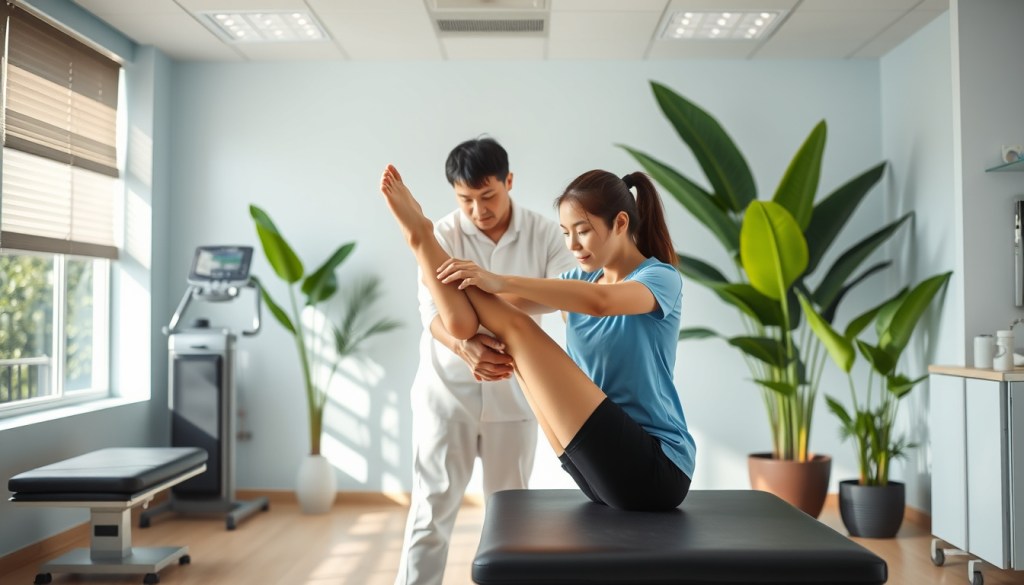
Are you among the many people in Singapore experiencing discomfort from Achilles tendinopathy? This painful condition affects numerous individuals, especially those who engage in sports or physical activities. Understanding the nuances of achilles tendinopathy physiotherapy in Singapore can significantly enhance your recovery journey and help regain your strength and mobility. In this article, we will explore the causes and symptoms of this condition, delve into the pivotal role of physiotherapy in its management, and discuss effective techniques specifically tailored for rapid recovery. We will also provide guidance on selecting the right physiotherapist, and highlight essential preventive measures to avoid recurring issues. By the end, you’ll have a comprehensive understanding of how to address Achilles tendinopathy and restore your physical well-being.
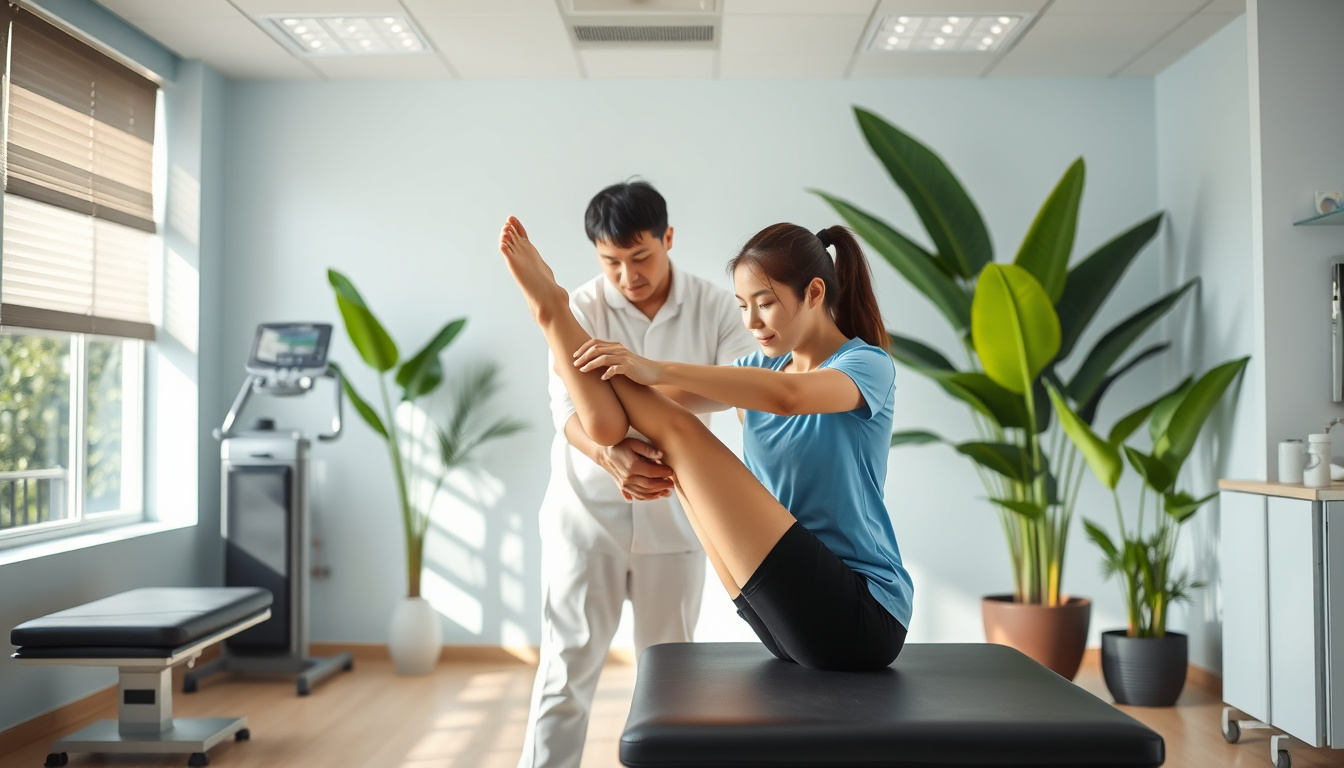
Key Takeaways
- Achilles tendinopathy is often caused by overuse or incorrect footwear, leading to pain and inflammation.
- Physiotherapy plays a crucial role in the recovery process by promoting healing and restoring function.
- Effective techniques include exercise therapy, manual therapy, and modalities such as ultrasound or shockwave therapy.
- Choosing a physiotherapist with experience in sports injuries can greatly enhance the treatment outcome in Singapore.
- Preventative measures like proper warm-ups and strengthening exercises can help avoid future occurrences of Achilles tendinopathy.
Understanding Achilles Tendinopathy: Causes and Symptoms
Achilles tendinopathy is a common condition affecting the tendon that connects the calf muscles to the heel bone. Individuals experiencing this condition often report discomfort, swelling, and stiffness, particularly along the back of the heel or the calf. Understanding the causes and symptoms of Achilles tendinopathy is crucial for anyone dealing with this issue, especially those living in Singapore where the humid climate and urban lifestyle can exacerbate joint problems.
The primary causes of Achilles tendinopathy include repetitive stress due to physical activity, such as running or dancing, or overuse injuries, often resulting from changes in training intensity or technique. Other factors include tight calf muscles, improper footwear, and even a person’s anatomical alignment. Symptoms typically range from a dull ache in the back of the heel to sharp pain during activities, both of which can significantly impact daily life.
For individuals experiencing any of these issues, seeking specialized treatment, such as achilles tendinopathy physiotherapy in Singapore, can make a significant difference in recovery. At The Pain Relief Practice, we use tailored rehabilitation programs designed to elevate your well-being and restore optimal joint function. With our extensive experience in treating this condition since 2007, we have built a reputable track record, including helping celebrities and national athletes reclaim their strength and mobility.
The Role of Physiotherapy in Treating Achilles Tendinopathy
## The Role of Physiotherapy in Treating Achilles Tendinopathy
Achilles tendinopathy is a common condition affecting individuals who experience pain and discomfort in the Achilles tendon, often due to overuse or injury. For residents in Singapore seeking effective relief for this situation, achilles tendinopathy physiotherapy Singapore plays a crucial role in both recovery and prevention. Physiotherapy, a key component of conservative treatment, focuses on restoring function and alleviating pain through targeted interventions.
Physiotherapists specializing in managing Achilles tendinopathy offer a comprehensive approach that includes detailed assessments and personalized treatment plans tailored to individual patient needs. Some of the beneficial techniques employed during physiotherapy sessions may include:
1. Manual Therapy: Soft tissue mobilization and joint manipulation techniques can relieve tension in the affected area, enhancing mobility and function.
2. Exercise Prescription: Customized rehabilitation exercises help strengthen the calf muscles and improve the flexibility of the Achilles tendon, promoting healing and endurance.
3. Education: Teaching patients about their condition and how to modify their activities is vital in preventing future injury.
4. Pain Management Modalities: Techniques such as ultrasound therapy or electrical stimulation can reduce inflammation and manage pain effectively, enhancing the healing process.
5. Biomechanical Assessment: Analyzing a patient’s movement patterns helps address any underlying issues contributing to the development of tendinopathy.
Engaging in physiotherapy not only aids in the immediate recovery of Achilles tendinopathy but also equips individuals with the knowledge and tools necessary for long-term joint health. At The Pain Relief Practice, we apply these approaches strategically, ensuring that our patients—be they casual runners, avid sports enthusiasts, or professionals—experience optimized recovery and performance, verified by our successful track record since
2007.
‘The greatest glory in living lies not in never falling, but in rising every time we fall.’ — Nelson Mandela

Effective Physiotherapy Techniques for Rapid Recovery
## Effective Physiotherapy Techniques for Rapid Recovery
If you’re dealing with the discomfort of Achilles tendinopathy, you’re certainly not alone. This condition, often characterized by pain and stiffness along the back of the leg near the heel, can significantly affect your daily activities, such as walking or running. Fortunately, Achilles tendinopathy physiotherapy in Singapore provides various effective techniques to alleviate pain and promote recovery.
One of the core elements of physiotherapy for Achilles tendinopathy includes tailored exercises aimed at strengthening the affected tendon. These exercises often focus on eccentric loading techniques, which help in generating the necessary strength in the tendon while also enhancing flexibility. Here are some effective physiotherapy techniques we focus on at The Pain Relief Practice:
1. Eccentric Strengthening Exercises: This involves repeatedly loading the tendon in a controlled manner to stimulate healing.
2. Manual Therapy: Hands-on techniques that can help improve mobility and alleviate pain.
3. Ultrasound Therapy: Utilizing sound waves to promote blood flow and healing at the injury site.
4. Taping Techniques: Sports tape can provide extra support during the recovery phase, helping to reduce pain and improve function.
5. Education and Lifestyle Modifications: Understanding the causes of your tendinopathy and learning how to modify your daily activities can lead to better long-term outcomes.
Choosing the Right Physiotherapist in Singapore
Choosing the Right Physiotherapist in Singapore
When dealing with painful conditions like achilles tendinopathy, selecting an experienced physiotherapist can make a world of difference in your recovery journey. Achilles tendinopathy, often experienced as stiffness, swelling, or pain along the back of the leg near the heel, can severely impact your daily activities and quality of life. In Singapore, there are many options for physiotherapy, but it’s crucial to find the right practitioner who is knowledgeable about this specific condition. Look for professionals who specialize in rehabilitating sports injuries, as they typically have a deep understanding of joints and soft tissues, and can offer tailored treatment plans. Additionally, consider clinics with a strong track record—established practices like The Pain Relief Practice have been supporting patients since 2007 with advanced therapies and have treated various celebrities and national athletes, indicating a reputable standard of care.

Preventive Measures to Avoid Achilles Tendinopathy Recurrences
### Preventive Measures to Avoid Achilles Tendinopathy Recurrences
Achilles tendinopathy can be a painful and debilitating condition, particularly for those leading an active lifestyle in Singapore’s vibrant environment. As someone who has experienced the discomfort of this injury, you may be on the lookout for ways to prevent its return. Incorporating achilles tendinopathy physiotherapy in Singapore into your recovery process is essential, but equally important are the preventive measures you take post-treatment to avoid recurrences. Here’s a guide to help you maintain healthy tendons and stay active:
1. Gradual Increase in Activity: Avoid sudden surges in your training intensity or volume. Gradually build your strength and endurance to give your Achilles tendon time to adapt.
2. Strengthening Exercises: Engage in a targeted strength program focusing on the calf muscles and other leg muscles. Eccentric calf raises can be particularly beneficial. Consult a physiotherapist for personalized programs.
3. Cross-Training: Incorporate low-impact activities like swimming or cycling to maintain your fitness without over-stressing the Achilles tendon.
4. Proper Footwear: Ensure you wear supportive shoes that offer adequate cushioning, especially during physical activities. Custom orthotics can be helpful for individuals with specific foot mechanics.
5. Regular Stretching: Flexibility in the calf and Achilles area can prevent tightness. Perform stretching routines after workouts to keep these muscles supple.
6. Listen to Your Body: Acknowledge early warning signs like heel pain or stiffness. Address any discomfort promptly by modifying your activities and consulting a physiotherapist.
7. Consult a Physiotherapist Regularly: Regular check-ins with a specialist can help identify risk factors specific to your biomechanics and training regimen. The Pain Relief Practice, with its focus on recovery and injury prevention, provides personalized assessments and solutions tailored to your needs.
By adopting these preventive measures alongside your physiotherapy sessions, you can significantly reduce the likelihood of Achilles tendinopathy recurrence and continue enjoying an active lifestyle in Singapore.
We are a specialized physio treatment center for savvy people who want real results.
While we are not suitable for someone looking for ‘cheap physiotherapy’ or ‘free exercises available on youtube’, our treatments are affordable and are often claimable with company flexi-benefits, company health insurance, travel insurance, personal accident insurance, and other insurance plans.
Simply whatsapp or call: +65 97821601 and let us know how to help.
If you prefer a convenient nutritional preventive option, Regenerix Gold is our top recommended joint supplement.
We have been recommending this joint supplement for over a decade.
Simply start with 3 capsules, once a day.
If you do not feel better within a week, increase to 2 capsules, twice a day. (4 capsules a day in total)
Our blog readers qualify for a special discount.
Simply use the link below and a discount will automatically be applied during checkout.