Achilles tendonitis is a common condition affecting many individuals in Singapore, particularly those who lead active lifestyles or are athletes. If you’ve been experiencing discomfort or pain around the back of your heel or lower calf, you may be dealing with this troublesome issue. Seeking assistance from an experienced Achilles tendonitis physiotherapist in Singapore is essential to alleviate discomfort and restore functionality. In this article, we will explore the causes, symptoms, treatment options, and preventive measures for Achilles tendonitis, while guiding you on how to select the right physiotherapist for your needs.

Key Takeaways
- Achilles tendonitis is often caused by overuse and can manifest as pain and swelling at the back of the ankle.
- Professional treatment from a qualified physiotherapist is crucial for effective recovery from Achilles tendonitis.
- When searching for a physiotherapist in Singapore, consider their experience and patient reviews for better outcomes.
- Physiotherapists offer various treatment options, including exercises, manual therapy, and modalities like ultrasound.
- Incorporating preventive measures and following recovery tips can help reduce the risk of Achilles tendonitis recurrence.
Understanding Achilles Tendonitis: Causes and Symptoms
## Understanding Achilles Tendonitis: Causes and Symptoms
Achilles tendonitis is a common issue that affects many active individuals, particularly those participating in sports or physical activities that put stress on their feet and ankles. If you are in Singapore and experiencing discomfort in your Achilles tendon, it’s essential to understand the causes and symptoms of this condition. This will help you seek the right treatment from an Achilles tendonitis physiotherapist in Singapore.
The primary cause of Achilles tendonitis is repetitive strain on the tendon, which can occur due to overuse, sudden increases in physical activity, or improper footwear. Factors such as tight calf muscles, flat feet, or high arches can also contribute to the development of this painful condition. Symptoms typically include:
• Pain along the back of the heel or lower leg, especially during physical activity.
• Swelling or stiffness in the Achilles tendon, particularly in the morning or after prolonged periods of inactivity.
• Tenderness to touch and a reduced range of motion in the ankle.
• A creaking or popping sound when moving the tendon, known as crepitus.
Understanding these elements is crucial, as early recognition and treatment can prevent the condition from becoming chronic. At The Pain Relief Practice, we aim to provide effective solutions for those struggling with Achilles tendonitis, helping you regain mobility and return to the activities you love.
The Importance of Professional Treatment for Achilles Tendonitis
Achilles tendonitis is a common condition that can cause significant discomfort and hinder your mobility. In Singapore, many individuals suffering from joint problems, especially athletes and active individuals, often seek the expertise of an achilles tendonitis physiotherapist. These professionals are specially trained to diagnose and treat the underlying causes of tendonitis, allowing patients to regain strength and mobility effectively. Self-treatment can lead to further complications or chronic pain, making professional intervention crucial. With tailored rehabilitation programs, physiotherapists can help in reducing inflammation, restoring function, and ultimately preventing the recurrence of this painful condition. As one of the established clinics in Singapore since 2007, The Pain Relief Practice has a dedicated team of physiotherapists committed to getting you back on track. Ensuring optimal recovery from Achilles tendonitis not only boosts your physical performance but also enhances your overall quality of life.
‘The greatest glory in living lies not in never falling, but in rising every time we fall.’ – Nelson Mandela
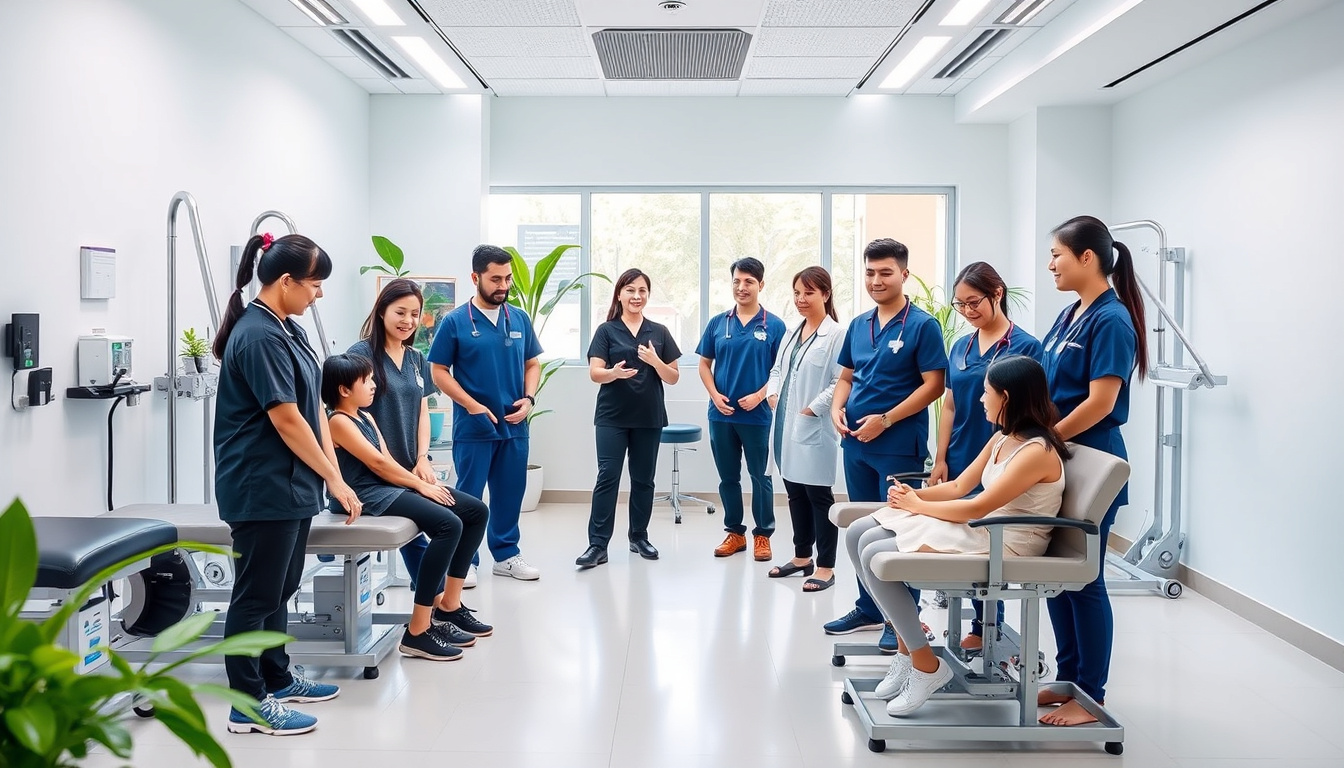
How to Find the Right Physiotherapist in Singapore
### How to Find the Right Physiotherapist in Singapore
Finding the right achilles tendonitis physiotherapist in Singapore is crucial for effective treatment and recovery. With many clinics available, it’s important to take the right steps to ensure you choose a provider that meets your specific needs. Here are some key factors to consider:
1. Qualifications and Experience: Look for a physiotherapist who specializes in treating musculoskeletal issues, particularly with experience in achilles tendonitis. It’s ideal to find someone who has worked with athletes and has a satisfactory track record in rehabilitation.
2. Approach to Treatment: Different physiotherapists may adopt varying philosophies in their treatment. You should look for practitioners who employ a holistic, patient-centered approach, combining manual therapy, exercises, and education on preventing further issues.
3. Clinic Credentials: Seek out physiotherapy clinics that have solid reputations, are well-established, and have a history of treating a diverse array of patients, including athletes and even celebrities, like those at The Pain Relief Practice.
4. Location and Accessibility: Consider a clinic that is easily accessible in Singapore, making it convenient for you to attend sessions regularly.
5. Patient Reviews and Testimonials: Reading reviews from other patients can provide insight into the effectiveness of the physiotherapist and the experiences of their clients.
6. Initial Consultation: Many physiotherapists offer an initial consultation that allows you to gauge whether their style aligns with your needs. Take advantage of this opportunity to ask questions and discuss your specific condition.
By carefully considering these factors, you can find an achilles tendonitis physiotherapist in Singapore who can help alleviate your pain and promote recovery.
Treatment Options Offered by Physiotherapists for Achilles Tendonitis
### Treatment Options Offered by Physiotherapists for Achilles Tendonitis
If you’re experiencing pain or stiffness at the back of your ankle, you may be dealing with a common condition known as Achilles tendonitis. This condition affects the Achilles tendon, which connects the calf muscles to the heel bone. It’s particularly common among runners, dancers, and those who engage in sports that require repetitive movements. Fortunately, consulting an Achilles tendonitis physiotherapist in Singapore can offer a variety of treatment options tailored to your specific needs.
One effective approach utilized by physiotherapists involves manual therapy, which includes gentle hands-on techniques to enhance circulation, reduce stiffness, and improve flexibility in the affected area. This can help alleviate discomfort and accelerate healing.
Additionally, physiotherapists may incorporate therapeutic exercises designed to strengthen the calf muscles and improve the biomechanics of the ankle. These exercises are crucial for preventing further injury and ensuring a full recovery. Here are some common treatment techniques you may encounter in your physiotherapy sessions:
1. Stretching exercises: Focused on flexibility and range of motion, these exercises help relieve tightness in the Achilles tendon and calf muscles.
2. Strengthening exercises: Gradually increasing resistance will allow you to build the muscles around the tendon, providing better support.
3. Footwear assessment: Many physiotherapists will guide you in selecting the right footwear, emphasizing the importance of proper arch support and cushioning to mitigate undue stress on the Achilles tendon.
4. Ultrasound therapy: This technique uses sound waves to promote healing of soft tissues, effectively reducing inflammation and pain.
5. Orthotic devices: Custom orthotics may be recommended to help correct biomechanical issues that could be contributing to the tendonitis.
6. Physical modalities: Techniques such as ice therapy, heat therapy, and electrical stimulation may be utilized to manage pain and swelling.
By engaging with an experienced Achilles tendonitis physiotherapist in Singapore, you can tailor a management plan that addresses your unique circumstances and lifestyle, promoting overall health and reducing the likelihood of recurrence.

Preventive Measures and Recovery Tips for Achilles Tendonitis
Preventive Measures and Recovery Tips for Achilles Tendonitis
Achilles tendonitis can be a debilitating condition characterized by pain and stiffness along the back of the leg, where the Achilles tendon connects the calf muscles to the heel bone. This injury is particularly common among athletes and individuals with a physically active lifestyle in Singapore, causing men and women alike to seek the expertise of an Achilles tendonitis physiotherapist in Singapore. Fortunately, there are several preventive measures you can take along with targeted recovery tips to help you manage and alleviate the discomfort associated with this condition.
1. Footwear Matters
– Invest in supportive shoes that provide adequate cushioning.
– Replace worn-out shoes regularly to avoid excess strain on the tendon.
– Consider custom orthotics if you have flat feet or high arches, as they can offer additional support.
2. Warm-Up Properly
– Always perform dynamic stretches before engaging in physical activities to prepare your Achilles tendon for the strain.
– Include calf stretches and mobility exercises in your warm-up routine.
3. Gradual Increase in Activity
– Avoid sudden increases in physical activity intensity or duration.
– Follow the 10% rule: increase your activity level by no more than 10% per week.
4. Strengthening Exercises
– Engage in eccentric calf raises to strengthen the calf muscles and Achilles tendon.
– Work with a physiotherapist to develop a personalized strengthening program that suits your needs.
5. Rest and Ice
– Allow for proper rest periods if you experience soreness.
– Apply ice packs to the affected area for 15-20 minutes after activity to reduce inflammation.
6. Explore Physiotherapy Options
– Visiting an Achilles tendonitis physiotherapist in Singapore can provide tailored treatments such as ultrasound therapy, manual therapy, and targeted rehabilitation exercises.
– Your physiotherapist can perform a thorough assessment to develop a recovery plan that addresses any underlying issues contributing to your pain.
By incorporating these preventive measures and recovery tips into your routine, you can mitigate the risks associated with Achilles tendonitis and enjoy a pain-free, active lifestyle. At The Pain Relief Practice, we have treated numerous patients for this condition, from everyday individuals to professional athletes, ensuring they regain optimal function of their joints and muscles. If you have been struggling with discomfort related to Achilles tendonitis, don’t hesitate to reach out to us.
For further insights into effective recovery strategies, watch our video showcasing ‘Real Results’
Additionally, if you’d like to learn about our experience treating ‘Celebrities & National Athletes,’ check out this video:
Taking charge of your recovery journey today could be the key to a more active and fulfilling life!
We are a specialized physio treatment center for savvy people who want real results.
While we are not suitable for someone looking for ‘cheap physiotherapy’ or ‘free exercises available on youtube’, our treatments are affordable and are often claimable with company flexi-benefits, company health insurance, travel insurance, personal accident insurance, and other insurance plans.
Simply whatsapp or call: +65 97821601 and let us know how to help.
If you prefer a convenient nutritional preventive option, Regenerix Gold is our top recommended joint supplement.
We have been recommending this joint supplement for over a decade.
Simply start with 3 capsules, once a day.
If you do not feel better within a week, increase to 2 capsules, twice a day. (4 capsules a day in total)
Our blog readers qualify for a special discount.
Simply use the link below and a discount will automatically be applied during checkout.