
If you run every day on the Park Connector, MacRitchie trails, or ECP but your time never improves, a running analysis might be the key. Many Singapore runners blame worn knees, tight ITBs, or plantar fasciitis on aging or muscle tightness. In fact, a slight fault in your gait may be the real cause.
These small issues do more than cause pain in your knees, hips, and back. They also steal your speed, efficiency, and confidence. Once you find and fix them, you can feel a big change in comfort and pace.
Why Your Form Matters More Than New Shoes or Extra Miles
If you ever think:
- “My knees feel jammed after a long run.”
- “My hamstrings stay tight even after stretching.”
- “My lower back aches after intervals, but tests are normal.”
It is likely that your running mechanics are off.
Most runners in Singapore focus on:
- Buying the latest carbon plate shoes
- Following a generic online training plan
- Running more miles each week
But if you do not know how your body moves—in stride, footstrike, hip control, and trunk posture—you are like a misaligned car driving fast. The error builds with time.
That is where a targeted running analysis helps.
What Is a Running Analysis, Really?
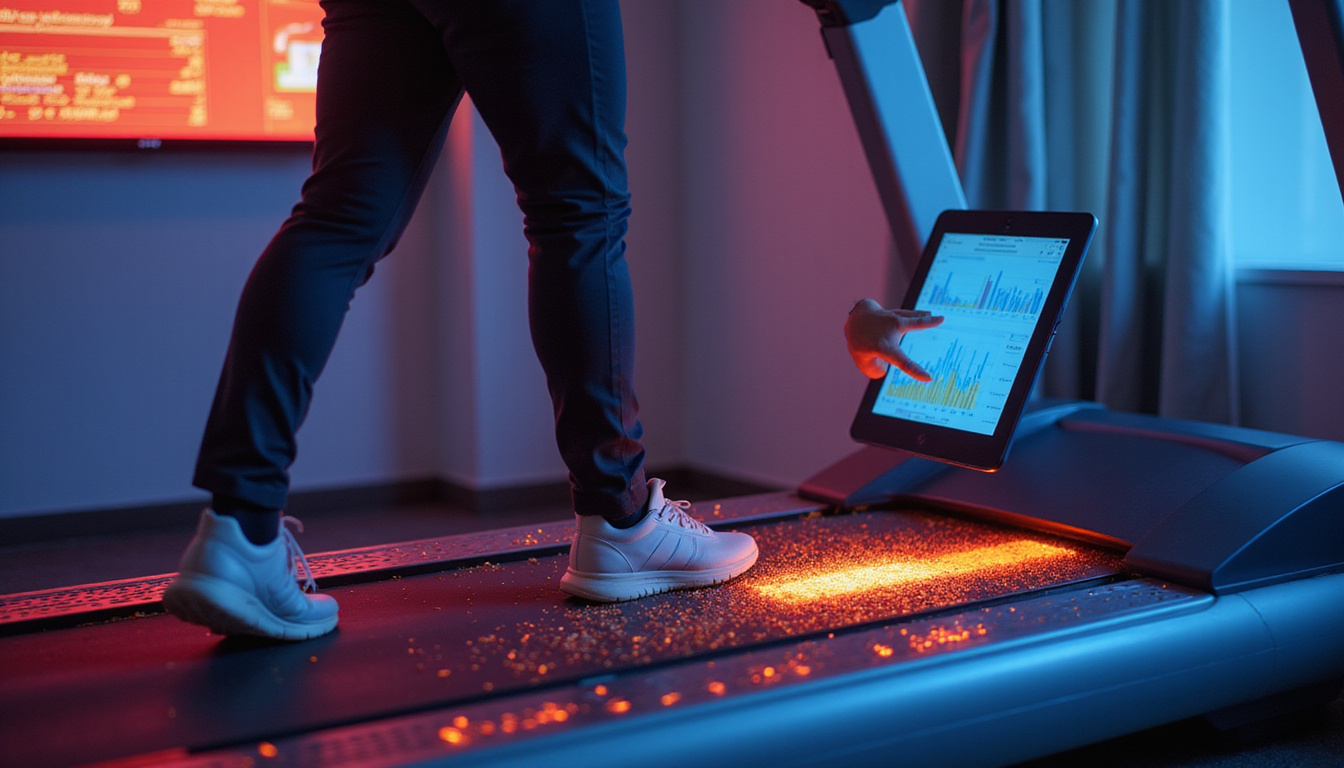
A professional running analysis is much more than a quick look on a treadmill. At The Pain Relief Practice in Singapore, where we have helped runners since 2007, the process is clear:
- We capture high-speed video from the front, side, and back.
- We break down each phase of the running cycle frame by frame.
- We assess every key joint—the ankle, knee, hip, pelvis, and spine.
- We watch how you load and transfer forces.
- We compare your left and right sides for imbalance.
- We test strength and mobility away from the treadmill.
If you already have joint issues like creaky knees, grinding hips, or stiff ankles, this close look explains how your daily discomfort is linked to how your foot lands.
Common Gait Faults That Slow You Down and Stress Your Joints
During a running analysis, we find issues that connect closely with your pain and poor efficiency:
1. Overstriding and Heavy Heel Striking
When your foot lands far ahead of your body, you brake with every step. You might hear loud slaps, feel sore shins, or notice jammed knees after a run. Overstriding wastes energy and increases the force on your ankles, knees, and hips. Correcting it often relieves knee and shin pain and creates a smoother stride.
2. Hip Drop and Poor Glute Control
If your pelvis drops on one side with each step, your glute medius is not doing its part. This can cause constant ITB tightness, outer knee tenderness, or a deep hip ache on long runs. With video analysis, we spot this wobble. Strengthening and proper cueing can make your stride feel firm instead of unsteady.
3. Knee Collapsing Inwards (Valgus)
When your knee caves inward at landing, your joint twists in harmful ways. This fault may bring runner’s knee, meniscal irritation, or a sense of instability. Fixing it means focusing on hip strength, proper foot control, and balanced arch loading—not just supporting the knee.
4. Over-Rotating Trunk and Arms
Some runners twist their torso too much or cross their arms. This extra movement wastes energy and tightens the lower back. It may lead to back tightness, stiff shoulders, or side stitches. With focused cues and drills, you can keep your torso and arms in line to drive you forward.
5. Collapsing Feet and Over-Pronation
When your arch buckles on impact, stress builds on your plantar fascia, Achilles tendon, and inner knee. You may feel pain in your heel in the morning, tightness in the Achilles, or aches inside your knee. While support from shoes and insoles helps, true relief starts with strengthening the foot and controlling the hip.
How Hidden Gait Faults Quietly Steal Your Speed
Small inefficiencies add up when you run 5km, 10km, or more. Poor mechanics cause:
- Energy loss through extra bounce or twist.
- Early muscle fatigue when quads and calves work harder than needed.
- Shorter strides as your body protects stiff joints.
- Guarded movement that reduces springiness when pain is expected.
Many runners say, “I have the fitness and distance, but I cannot turn that into speed.” A running analysis bridges this gap by turning your strengths into smooth, efficient movement.
Why Runners With Existing Aches Benefit Most
If you already face:
- Chronic knee pain
- Hip or groin tightness that flares with speed
- Lower back stiffness after long runs
- Recurrent ankle sprains or weak ankles
A running analysis can break the cycle of resting, feeling better, then worsening pain again.
You may have tried new shoes, massage, foam rolling, YouTube strength exercises, or cutting mileage. Yet when you push harder in training, the discomfort returns because your underlying movement fault stays unaddressed.
By slowing down your running on video, we link your symptoms, like your kneecap pulling to one side after 5km, with what happens when your foot meets the ground. This lets us build a precise plan.
What to Expect at The Pain Relief Practice
At The Pain Relief Practice—one of Singapore’s trusted physiotherapy clinics since 2007—we help everyone from office workers to national athletes run faster with less pain. A typical session follows these steps:
-
History & Goals Discussion
We ask not only where you hurt but also about your training, shoes, past injuries, and race goals. -
Off-Treadmill Assessment
- We check the range of motion in your hips, knees, ankles, and spine.
- We test key muscles for strength and activation.
- We examine balance and single-leg control.
-
Video Running Assessment
You run at your normal pace—perhaps at tempo or race speed—while we record high-speed video from different angles. -
Slow-Motion Breakdown & Explanation
We show you the moment your form goes off. It may be that your right knee caves in when you speed up or your left hip drops with fatigue. -
Individualized Corrective Plan
Your plan may include:- Drills and cues to fix footstrike and posture.
- Targeted strengthening for weak links like the glutes or deep hip rotators.
- Mobility work for stiff joints such as ankle dorsiflexion or hip extension.
- Gradual integration of the corrections into your training.
-
Follow-Up and Re-Test
We check that your new movement patterns stick and that your symptoms reduce while your pace improves.
Real Results
Why Savvy Singapore Runners Choose The Pain Relief Practice
Serious runners—tired of joint and muscle issues—look for more than a generic clinic. The Pain Relief Practice stands out because:
-
We Specialize in Complex Pain and Performance Issues
You will not find a one-size-fits-all approach here. We work to restore joint and muscle function so you can train and race without limits. -
Proven Track Record Since 2007
As an established clinic, we have treated nearly every running problem—from stubborn runner’s knee to post-surgery recovery. -
Trusted by Celebrities and National Athletes
High-profile clients choose us because they demand the best for their performance. -
Data-Driven, People-First Approach
We combine clinical expertise, clear video analysis, and your own feedback to tailor your care.
Celebrities & National Athletes
How Running Analysis Helps You Enjoy Running Again
Many runners in Singapore have learned to accept statements like:
- “My knees feel crunchy after a 10km run.”
- “I need two days to recover after intervals.”
- “I run with a knee brace or ankle guard every time.”
Running should not feel like you are about to break down. With careful running analysis and a targeted plan, you can:
- Run with less joint pain and stiffness.
- Recover faster because your form improves.
- Increase mileage and speed without flare-ups.
- Feel more confident and in control with every step.
- Enjoy your long runs again rather than dread the aftereffects.
One Simple Step to Get Started
If you are in Singapore and you:
- Feel stuck at a certain pace despite training,
- Have ongoing joint or muscle pain when you run,
- Want to protect your body so you can run for years,
It is time to stop guessing. Let a professional running analysis reveal what happens when your foot strikes the ground.
The Pain Relief Practice can help you pinpoint hidden gait faults, target their causes, and build a plan for smoother, faster, and more enjoyable running. Your joints and muscles will work with you instead of against you.
FAQ: Running Analysis and Gait in Singapore
-
Is a running gait analysis only for elite runners?
No. Recreational runners, weekend warriors, and beginners with “dodgy knees” or tight hips benefit greatly. Early analysis can prevent minor aches from becoming chronic injuries and helps you build good habits. -
How often should I repeat a running analysis?
If you are recovering from an injury, checking every few months makes sense. For healthy runners, a full assessment once a year—or when you change shoes, training load, or race distance—is usually enough. -
Can a running analysis fix my knee or hip pain permanently?
A running analysis does not cure pain overnight. It shows you why your joints are overloaded. With targeted treatment, strengthening, and gradual changes in form, many runners enjoy long-term relief and better performance.
To see our location and what other runners in Singapore say, visit The Pain Relief Practice’s Google profile:
https://share.google/UwMU2I9zUCwXVh0Lg
We are a specialized physio treatment center for savvy people who want real results.
While we are not suitable for someone looking for ‘cheap physiotherapy’ or ‘free exercises available on youtube’, our treatments are affordable and are often claimable with company flexi-benefits, company health insurance, travel insurance, personal accident insurance, and other insurance plans.
Simply whatsapp or call: +65 97821601 and let us know how to help.
If you prefer a convenient nutritional preventive option, Regenerix Gold is our top recommended joint supplement.
We have been recommending this joint supplement for over a decade.
Simply start with 3 capsules, once a day.
If you do not feel better within a week, increase to 2 capsules, twice a day. (4 capsules a day in total)
Our blog readers qualify for a special discount.
Simply use the link below and a discount will automatically be applied during checkout.

 PROVIDING FAST, EASY & INSURANCE CLAIMABLE PAIN RECOVERY SINCE 2007