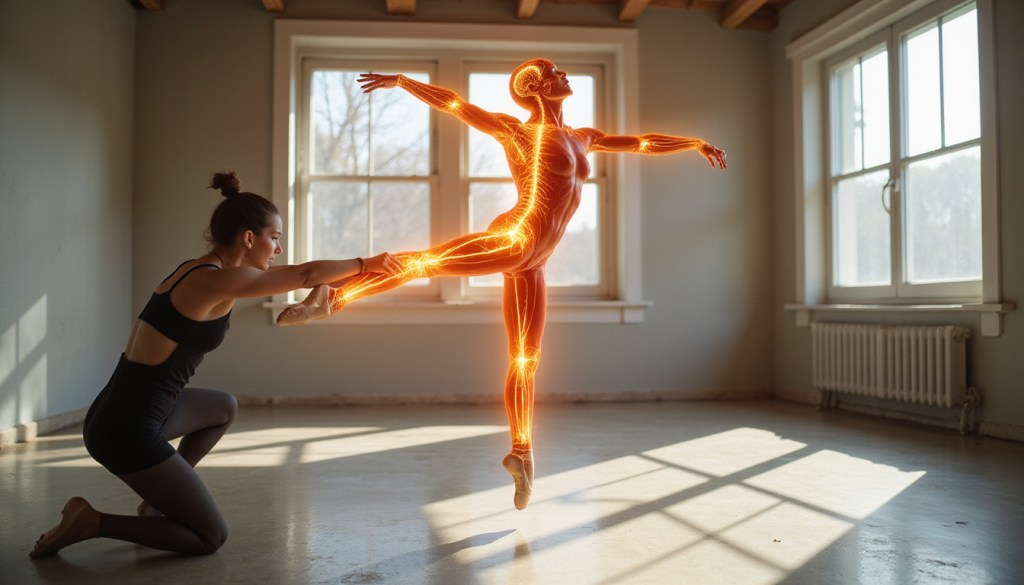
If you dance often and your body now aches, dance physiotherapy can help. Your body shows pain with nagging aches, pinching pain, or stiff, crunchy joints. In Singapore’s dance scene—whether you move with K‑pop, contemporary, ballet, hip‑hop, Latin, or Chinese dance—your body faces strain from repeated moves, hard floors, and long rehearsals.
This guide shows how dance physiotherapy stops injury, shields joints, and boosts your performance. It also explains why many dancers choose The Pain Relief Practice when their body cannot follow their passion.
Why Dancers in Singapore Face Injury
When you push pain aside to get the choreography done, your body changes how it moves. Soon you notice:
- A dull ache in the knees after class
- Sharp hip pain with développé, battement, or deep pliés
- Unstable ankles after jumps or footwork
- A locked-up lower back after backbends or floorwork
- Clicking or catching in the shoulder during overhead arms, port de bras, or floor tricks
Dance often causes these issues:
- Patellofemoral knee pain (around or behind the kneecap)
- Ankle sprains and weak ankle stability
- Hip labral irritation and snapping hip
- Achilles tendinopathy and plantar fasciitis
- Lumbar facet irritation and sacroiliac (SIJ) pain
- Hamstring strains and repeated pulls
Many dancers ignore these signs until they can’t move without pain. That is when specialized dance physiotherapy matters.
What Is Dance Physiotherapy?
Dance physiotherapy uses targeted moves to meet your dance style’s demands. It does not rely on generic “rest and ice.” Instead, it considers:
- Your dance style (ballet, hip‑hop, Latin, or contemporary)
- Your technique (turnout, landing, spinal control, and footwork)
- Your training load (classes, rehearsals, shows per week)
- Your history of injuries and weak spots in muscles or joints
A dance physiotherapist does not treat one spot only. They check your full movement chain—from your feet and ankles, to your knees, hips, pelvis, and spine—to find why one part hurts.
How Dance Physiotherapy Stops Injuries
1. Fixing Movement Faults Early
Many injuries come from overuse and poor technique. You might be:
- Forcing turnout from knees and feet instead of the hips
- Letting knees collapse inward after jumps
- Over-arching your lower back for high arabesques or backbends
- Over-pointing your toes instead of using the mid‑foot
A skilled dance physiotherapist will:
- Watch your moves (pliés, relevés, jumps, turns, floorwork)
- Test strength and flexibility to find tight or weak zones
- Spot compensations that teachers or coaches may miss
Fixing these faults early stops small strains from growing into serious injuries.
2. Building a Joint‑Friendly Strength Plan
Dancers may stretch a lot but still lack deep stabilising muscle strength. Dance physiotherapy builds:
- Strong glutes for turnout, jumps, and hip stability
- A solid core for balance, turns, and backbends
- Hip and ankle strength for safe landings and strong push‑offs
- Foot strength for better point, balance, and shock absorption
Rather than random gym work, you receive a plan that fits your dance demands and rehearsal schedule.
3. Boosting Flexibility with Joint Safety
Dancers often push for extra flexibility and may force:
- Over‑splits on blocks
- Passive stretches with pressure from another
- Deep stretches without proper warm‑up
These actions can stretch ligaments too far and harm joints. Dance physiotherapy teaches you to:
- Use safe, active flexibility with muscle control
- Know when to stop stretching and start strengthening
- Protect joints if you are very flexible
This way, you keep the range you need without feeling unstable the next day.
Real Results
How Dance Physiotherapy Boosts Performance
Dance physiotherapy does more than fix pain; it makes you dance stronger and longer.
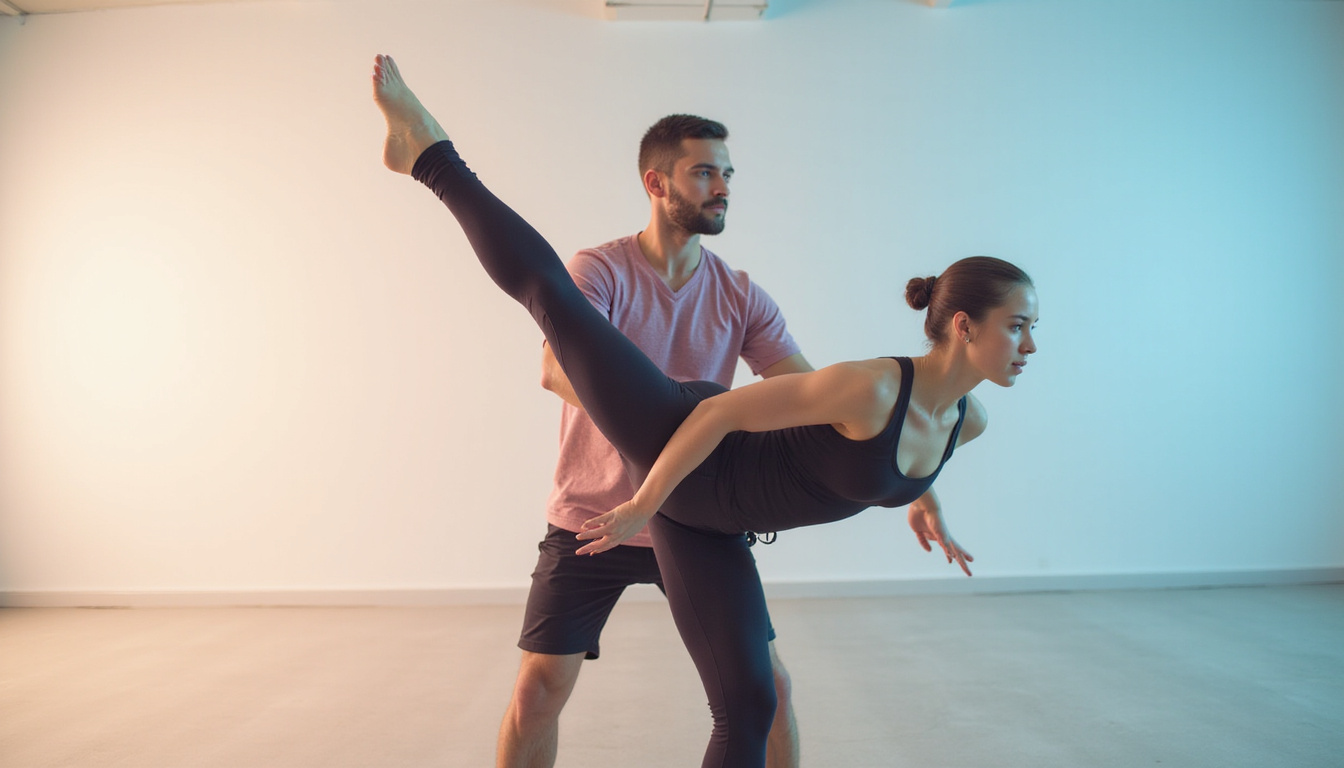
Improve Balance, Control, and Turns
Weak ankles, hips, or core muscles can lead to:
- Wobbly relevés and balances
- Inconsistent pirouettes or spins
- Trouble holding long poses in choreography
With focused neuromuscular training, your physio can help you:
- Stabilize your supporting leg and foot
- Stop your knee from wobbling during turns
- Keep a straight line from ear to shoulder, hip, knee, and ankle
This work gives you stable turns, good control, and more on-stage confidence.
Increase Jump Height and Power Safely
Dancers sometimes say, “My jumps feel heavy and my knees hurt.” Dance physiotherapy shows you how to:
- Land properly to protect knees and ankles
- Build power through glutes, quads, hamstrings, and calves
- Use hip and ankle mobility for a strong take‑off
You get higher jumps and better hang‑time without extra shock to your joints.
Enhance Endurance and Recovery
When muscles tire quickly, your form suffers and injury risk grows. Dance physiotherapy aids by:
- Creating conditioning plans for long rehearsals and shows
- Teaching recovery tricks (active cooldowns, self‑release, pacing)
- Adjusting training loads so you do not burn out
You enjoy fewer flare‑ups before compilations, exams, or big shows.
When to See a Dance Physiotherapist
You should not wait until you “cannot walk.” Book a session if you:
- Suffer the same strain or sprain on one side
- Rely on painkillers for rehearsals
- Feel deep, catching pain in your hip, groin, or knee
- See lasting swelling, heat, or fullness around a joint
- Hear or feel clicking, grinding, or locking with pain
- Notice less range (not lifting your leg as high)
- Avoid moves (jumps, floorwork, big backbends) because of pain
Early help from a dance physiotherapist can keep you dancing with adjustments while you heal.
What to Expect at The Pain Relief Practice
The Pain Relief Practice is a well-known physiotherapy clinic in Singapore. Since 2007, it has helped restore healthy joints and muscles for dancers, professionals, celebrities, and national athletes.
At your session, expect:
-
Detailed Movement History
We ask not only “Where does it hurt?” but also:- Your dance style, training load, and upcoming shows/exams
- Past injuries on the same or other sides
- When pain appears (warm‑up, during class, cooldown, or next morning)
-
Dance‑Specific Assessment
We will:- Observe moves like pliés, relevés, jumps, kicks, and turns
- Look at turnout from the hips versus the knees and feet
- Test joint mobility, muscle strength, and balance
-
Hands‑On Treatment
We may use:- Manual therapy to ease tight or “locked” areas
- Targeted soft tissue release for stubborn knots or bands
- Taping or supports for short‑term protection
-
Individualised Exercise Plan
You receive:- Corrective exercises for your specific faults
- Strength and control drills to protect your joints
- A clear plan that fits your rehearsal and performance schedule
-
Return‑to‑Dance Guidance
Instead of just “stop dancing,” we help you:- Modify moves temporarily
- Gradually rebuild load to avoid pain returns
- Fix underlying weaknesses so you come back stronger
Celebrities & National Athletes
Practical Tips for Dancers
Dance physiotherapy is best with smart self‑care habits. Try these steps:
-
Warm up properly:
Do 5–10 minutes of light jogging or jumps. Then try dynamic stretches instead of static holds. -
Respect pain signals:
A sharp, stabbing, or catching pain is not normal dancer soreness. Do not push through it. -
Rotate footwear and surfaces:
Avoid long practices on hard floors like concrete. Alternate with proper sports shoes. -
Balance your training:
If you dance daily, use off‑days for strength and mobility, not just more stretches. -
Strengthen your weak links:
Many dancers need stronger glutes, calves, and deep core muscles to protect joints.
When More Than YouTube Stretches Is Needed
Online routines may help for a while but if you:
- Keep needing to “crack” your back or hip to feel normal
- Wake up with stiff, locked joints after heavy classes
- Notice pain moving from one place to another (hip → knee → ankle)
then a deeper movement problem is at work. DIY fixes may not fix the issue.
Working with a clinic experienced in dance physiotherapy gives you a proper diagnosis and treatment plan. This way, you can dance for years instead of managing constant flare‑ups.
Why Dancers Choose The Pain Relief Practice
- Established since 2007 with a history of treating complex issues
- Trusted in Singapore for helping celebrities and national athletes stay at peak form
- Focus on people-first care that listens to your goals (exam, competition, showcase)
- Expertise in joint and muscle rehabilitation, from stubborn knee pain to chronic back problems
- Designed for those who want to regain healthy joints and muscles, boost performance, and enjoy life fully instead of just “getting by” on painkillers and rest
If you care about your dancing and need your body to match your artistic dreams, specialized dance physiotherapy at The Pain Relief Practice may be the missing link.
FAQ About Dance Physiotherapy in Singapore
-
Is dance physiotherapy only for professional dancers?
No. It helps anyone who dances—school CCAs, studio students, competitive crews, or adults in K‑pop or Zumba. If you feel joint or muscle pain when dancing, a dance‑focused plan can help. -
How is dance physio different from general physiotherapy?
General physiotherapy may not focus on turnout, pointe work, floorwork, or repeated jumps. Dance physiotherapy looks at your specific moves, class structure, and performance schedule. It plans treatment from the moves you must do pain‑free. -
Can dance physiotherapy help with old knee or hip pain?
Yes. Many dancers have old injuries that never healed fully. A detailed assessment and targeted strengthening often reduce pain, improve movement, and let you return to high‑level choreography safely (source: International Association for Dance Medicine & Science, https://iadms.org).
Ready to Protect Your Joints and Dance Stronger?
If you are tired of taping yourself up, taking painkillers before class, or skipping moves because of pain, dance physiotherapy can help you regain control.
View our clinic profile and location here:
https://share.google/UwMU2I9zUCwXVh0Lg
Reach out to The Pain Relief Practice to book a dance‑focused assessment. Start building a body that can keep up with your passion for many more years of pain‑reduced, high‑performance dancing.
We are a specialized physio treatment center for savvy people who want real results.
While we are not suitable for someone looking for ‘cheap physiotherapy’ or ‘free exercises available on youtube’, our treatments are affordable and are often claimable with company flexi-benefits, company health insurance, travel insurance, personal accident insurance, and other insurance plans.
Simply whatsapp or call: +65 97821601 and let us know how to help.
If you prefer a convenient nutritional preventive option, Regenerix Gold is our top recommended joint supplement.
We have been recommending this joint supplement for over a decade.
Simply start with 3 capsules, once a day.
If you do not feel better within a week, increase to 2 capsules, twice a day. (4 capsules a day in total)
Our blog readers qualify for a special discount.
Simply use the link below and a discount will automatically be applied during checkout.