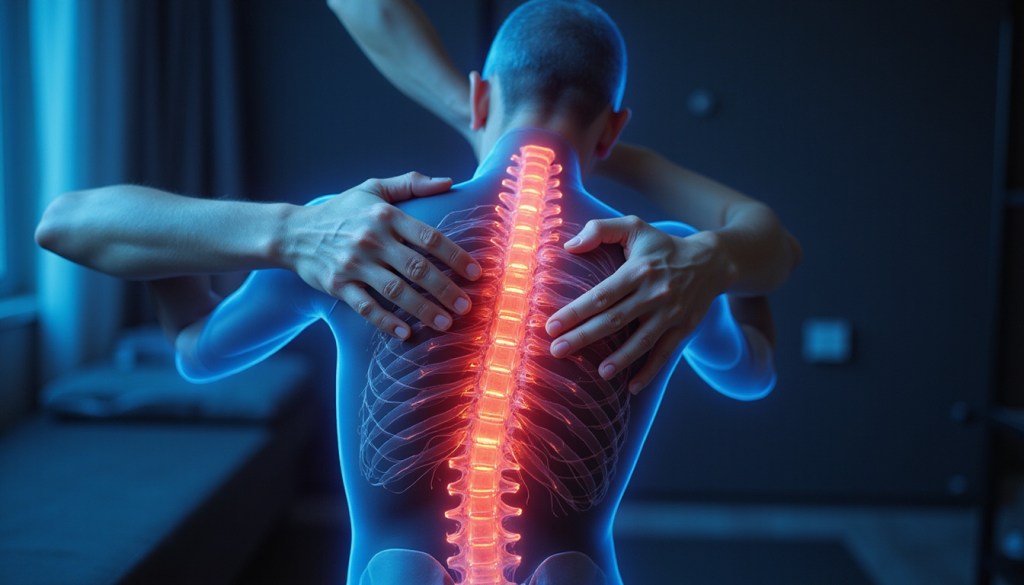
If nagging neck stiffness, a frozen shoulder, or a nagging lower back ache hold you back, you are not alone. You may have tried massage, TCM, or painkillers and found only brief relief. Myotherapy can change the game for people in Singapore. It targets stubborn muscle and joint pain and helps your mobility come back.
Below, you learn what myotherapy is, how it helps with chronic joint and muscle pain, and how a center like The Pain Relief Practice puts office workers, celebrities, and national athletes on the path to pain‑free movement.
What Is Myotherapy and Who Is It For?
Myotherapy is a hands‑on, evidence‑based treatment. It treats and manages muscle and soft tissue pain and joint issues.
It helps if you:
- Feel “tight” in your neck, shoulders, or lower back
- Hear or feel a grinding, clicking, or stiffness in your knees, hips, or shoulders
- Suffer from recurring sciatica, tennis elbow, plantar fasciitis, or IT band pain
- Wake up with a stiff back that takes time to “loosen up”
- Feel that your body stays “out of alignment” or “jammed up”
Unlike a regular massage, myotherapy hunts for the root cause of pain. It examines muscle imbalances, trigger points, nerve pressure, and poor movement patterns. Then, it uses precise techniques to restore normal function.
How Myotherapy Targets Chronic Joint and Muscle Pain
Chronic pain is rarely from one “sore spot.” More often, you have:
• Muscles that become overloaded, tight, and knotted
• Muscles that lie unused, weak, and lazy
• Joints that stay misaligned due to unbalanced muscles
• Nerves that get pinched by tight tissues
Myotherapy works on these issues step by step:
1. Detailed Assessment of Your Movement and Pain Pattern
A session does not start with “lie down and relax.” It begins by checking:
• How you stand, sit, and walk
• The range of motion in your neck, shoulders, spine, hips, knees, and ankles
• Where the tight bands, trigger points, and tender spots are
• Your daily habits, such as desk work, sports, past injuries, and sleep position
At The Pain Relief Practice, clinicians use these cues to understand why your pain returns and which part – muscle, fascia, joint, or nerve – needs treatment first.
2. Trigger Point Release: Switching Off “Knots” That Refer Pain
Many people say their pain feels like:
• “A deep ache that shoots down my arm or leg”
• “A dull, toothache-like pain between my shoulder blades”
• “A pulling sensation at the back of my knee or heel”
These sensations often come from myofascial trigger points—spots in a tense muscle.
Myotherapy uses methods such as:
• Steady pressure on trigger points
• Gentle contract–relax moves
• A mix of pressure, breathing, and movement
These steps help reset the muscle and reduce pain.
3. Myofascial Release: Freeing Up Tight, Stuck Soft Tissues
If your body feels as if it is trapped in a tight suit, especially along your neck, shoulders, chest, hips, or thighs, your fascia might be stiff.
Myotherapy applies myofascial release with slow, steady pressure along the fascia. This approach:
• Improves tissue glide
• Reduces stiffness and a “tight band” feeling
• Lets joints move more smoothly with less grinding
4. Joint Mobilisation: Gently Restoring Movement to Stiff Joints
When muscles and fascia stay tight for too long, your joints may:
• Feel stiff at certain angles (like turning your neck)
• Hurt at the end of their range (such as squatting or raising your arms)
• Become “locked” in poor alignment
Myotherapy uses gentle joint mobilisation to:
• Improve joint nutrition and lubrication
• Reduce stiffness and “stuck” feelings
• Support better alignment as muscles rebalance
These moves are small and within your comfort zone; no aggressive cracking is needed.
5. Neuromuscular Re‑education: Teaching Your Body to Move Right Again
Long-term pain can make your body form bad habits. You might:
• Overuse one side to protect the other
• Clench certain muscles to steady a painful joint
• Walk or move in a “guarded” way
Myotherapy teaches new movements with specific exercises and tips. This practice helps you break old habits that trigger the pain again. It may include:
• Strengthening weak muscles
• Activating slow or “sleepy” glute and core muscles
• Movement drills that boost balance, coordination, and joint control
Key Myotherapy Techniques Used at The Pain Relief Practice
At The Pain Relief Practice —a respected clinic in Singapore since 2007—myotherapy merges with advanced pain management to deliver clear results.
Techniques include:
• Deep tissue and sports myotherapy for overused muscles and tendons
• Dry needling of trigger points (when appropriate)
• Myofascial release along key tension lines such as the neck–shoulder–arm or hip–knee–ankle
• Instrument-assisted soft tissue mobilisation (IASTM) to break stubborn adhesions
• Joint mobilisation for the spine, shoulder, hip, and knee
• Neural mobilisation when nerves like the sciatic or median nerve are irritated
• Rehab exercise programming that keeps your joints stable over time
This clinic handles complex cases, treating celebrities and national athletes who need fast, reliable pain relief to perform at high levels.
What a Typical Myotherapy Session in Singapore May Look Like
Every treatment is unique. A typical session at The Pain Relief Practice might include:
- A detailed review of your pain history and lifestyle
- Movement and posture tests
- Palpation to find muscle knots, tight bands, and tender areas
- Hands‑on myotherapy methods: trigger point release, myofascial work, and joint mobilisation
- Taping or support (if needed) for quick relief and stability
- Specific exercises and stretches to do at home
- A progress check and future plan to hold your improvements
Real Results
Patients report:

• Less pain after just a few sessions
• Improved movement – like turning the head fully, lifting the arm overhead, or squatting deeper
• Fewer morning stiffness and night-time pain episodes
• A feeling of being “freer,” “looser,” and more confident when moving
Celebrities & National Athletes
Elite performers put high demands on their muscles, joints, and tendons. Myotherapy keeps them:
• Pain‑free enough to train and perform
• Mobile enough to reach their full range of motion
• Resilient enough to avoid re‑injury
The same methods work for office workers, parents, and seniors in Singapore—they are simply tailored to your daily life and goals.
Who in Singapore Can Benefit Most from Myotherapy?
You may be a good candidate for myotherapy at The Pain Relief Practice if:
• You have persistent pain for more than 3 months
• Pain returns even after massage, cupping, or medication
• You feel chronically tight in your neck, shoulders, lower back, or hips
• Sports injuries have not fully healed
• You want to tackle the root cause instead of just hiding the pain
Common conditions that improve with myotherapy include:
• Chronic neck and shoulder pain, and posture pain from office work
• Lower back pain and sciatica-type symptoms
• Shoulder impingement, rotator cuff issues, and frozen shoulder
• Knee pain from running, squatting, or climbing stairs
• Plantar fasciitis and Achilles’ tendinopathy
• Tennis elbow, golfer’s elbow, and wrist overuse pain
Many clinical guidelines now favor active, movement‑based care over long rest or heavy medicines (source: NICE musculoskeletal pain guidance).
What Makes The Pain Relief Practice Different?
In a city full of options, The Pain Relief Practice takes a specialised pain treatment center approach for those who want:
• More than a quick rub‑down or a generic massage
• A clear, clinical look at why they hurt
• A structured plan to restore healthy joints and muscles
• Elite care that mirrors what top athletes receive
Key points include:
• Established since 2007 – one of Singapore’s most experienced physiotherapy and pain clinics
• An integrated approach – combining myotherapy with physiotherapy, rehab, and evidence‑based treatments
• Expert handling of demanding cases – from celebrities and athletes to busy professionals and active seniors
• A focus on function and performance – not just chasing pain, but improving your ability to move, train, work, and live well
What You Can Do Between Sessions: Patient Playbook
Get the most from your myotherapy sessions by using these daily tips:
• Avoid long periods in one posture—change your position every 30–45 minutes
• Do simple neck rotations, shoulder rolls, and hip circles throughout the day
• Follow the specific activation and strengthening exercises given to you
• Listen to your body; slow down before pain spikes instead of pushing through
• Stay hydrated and get good sleep to help tissue recovery
A typical home plan after myotherapy may include:
• 1–2 mobility routines per day (5–10 minutes each)
• 2–3 short strength sessions per week that target weak links
• Simple self‑release methods with a ball or foam roller (as advised by your therapist)
FAQ: Myotherapy in Singapore
-
Is myotherapy the same as physiotherapy?
Not exactly. Both help with musculoskeletal pain. Physiotherapy is broader—covering post‑surgery rehab, neurological issues, and cardiopulmonary problems. Myotherapy focuses mainly on muscle, fascia, and joint pain using hands‑on techniques and exercise. At The Pain Relief Practice, they blend myotherapy with physiotherapy and pain management for a complete care plan. -
How many myotherapy sessions will I need for chronic pain?
This depends on how long you have suffered, the pain’s severity, and your commitment to home exercises. Many with long‑standing neck or back pain see improvement within 3–6 sessions. More complex cases may need a longer plan. Your therapist will set a realistic timeline after your first assessment. -
Is myotherapy suitable for older adults with joint degeneration (like knee OA)?
Yes, myotherapy can help with osteoarthritis-related pain. Often, the discomfort comes from overworked muscles, tight joint capsules, and compensatory movements. Although it does not “reverse” cartilage wear, it can reduce pain, improve joint movement, and support easier walking, stair climbing, and daily activity.
Embed: The Pain Relief Practice Google Profile
https://share.google/UwMU2I9zUCwXVh0Lg
If your joints feel worn, your muscles remain tight, and pain limits your work, training, or family time, myotherapy at a centre like The Pain Relief Practice can help you break free from chronic pain. It restores movement and brings back your confidence.
We are a specialized physio treatment center for savvy people who want real results.
While we are not suitable for someone looking for ‘cheap physiotherapy’ or ‘free exercises available on youtube’, our treatments are affordable and are often claimable with company flexi-benefits, company health insurance, travel insurance, personal accident insurance, and other insurance plans.
Simply whatsapp or call: +65 97821601 and let us know how to help.
If you prefer a convenient nutritional preventive option, Regenerix Gold is our top recommended joint supplement.
We have been recommending this joint supplement for over a decade.
Simply start with 3 capsules, once a day.
If you do not feel better within a week, increase to 2 capsules, twice a day. (4 capsules a day in total)
Our blog readers qualify for a special discount.
Simply use the link below and a discount will automatically be applied during checkout.