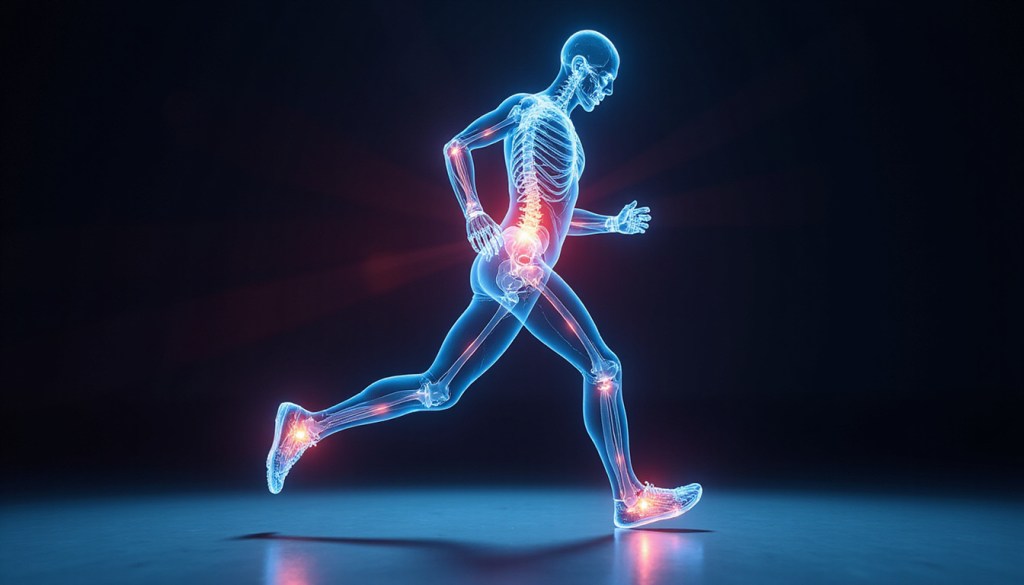
If you’ve faced ongoing aches, strange little pains, or a stubborn training plateau, movement analysis can be the missing link. Many active people in Singapore use foam rolling, stretching, and supplements. Still, their knee pain, shoulder impingement, or lower back tightness returns as soon as they train harder.
Rather than chasing symptoms, movement analysis digs into how your body moves. It shows you how you load your joints and how you land, twist, rotate, and compensate. That is where hidden weaknesses and silent risks often live.
Why Your Pain Keeps Coming Back (Even After Rest & Treatment)
If you have ever said these, you are not alone:
- “My knee feels fine when I rest, but running 5–10 km triggers pain.”
- “Physio fixed my shoulder, but heavy bench or overhead work brings a sharp pinch.”
- “My back tightens after a game, especially the next morning. It loosens with a warm-up, then locks again.”
This on-and-off pattern shows that the root movement fault still exists. Common hidden causes are:
- Poor hip control that makes the knee fall inward
- Stiff ankles that force extra strain on the knees and lower back
- Weak glutes that force the hamstrings and lower back to overwork
- Limited shoulder blade control that overloads the rotator cuff
- Imbalanced core strength that leads to compensations in running, lifting, and changing direction
You can treat inflammation and pain, but if your movement pattern is off, your joints receive too much load once you push hard again.
What Exactly Is Movement Analysis?
Movement analysis is a clear, professional check of how your body moves during everyday tasks—walking, squatting, jumping, sprinting, cutting, or sport-specific skills.
At The Pain Relief Practice in Singapore, movement analysis usually includes:
-
Postural & Alignment Check
We check for differences: one hip higher, one shoulder rotated, flat feet versus high arches, over-pronation, knock knees, and more. -
Functional Movement Tests
We ask you to do squats, lunges, single-leg balance, step-downs, push and pull moves, and rotations. We look at your body from many angles. -
Sport-Specific Drills
For example:- Runners: gait analysis, cadence, and stride mechanics
- Racquet/ball sports: cutting, landing, or changing direction
- CrossFit/strength: deadlift, squat, and overhead press techniques
-
Video & Slow-Motion Review
We record your moves and review them frame by frame. This helps us see a subtle knee wobble, hip drop, trunk lean, ankle collapse, or shoulder hike. -
Muscle Strength & Control Testing
We run tests to find weak links. This includes checks for hip abductors, deep core stabilisers, scapular muscles, and calf strength.
You do not just hear, “Your knee is weak.” You see exactly when and how your form breaks down, and which joints and muscles bear extra stress.
How Movement Analysis Finds Hidden Weaknesses
When someone says, “My knee is the problem,” movement analysis often shows that the knee is hurt by the problem rather than causing it.
Real-world examples include:
-
Runner with ITB or Outer-Knee Pain
A video shows a hip drop and knee collapse on every landing. The true issue is weak glute medius muscles and poor pelvic control, not a “tight ITB.” -
Weekend Footballer with Recurring Ankle Sprains
Slow-motion shows a foot turning out and an arch that collapses on landing. Limited ankle mobility and delayed peroneal muscle response cause risk. -
Lifter with Recurring Lower Back Tightness
Videos reveal early rounding of the lumbar spine, pelvis tucking under, and a lack of proper hip hinge during deadlifts. Underactive hamstrings and glutes force the back to work too hard. -
Swimmer or Overhead Athlete with Shoulder Impingement
Moving arms show that the shoulder blade does not rotate smoothly. The upper trap works extra hard while the serratus and lower traps do too little. This imbalance sets up shoulder pinching.
These hidden weaknesses quietly sabotage your performance, no matter how fit you believe you are.
The Performance Edge: Not Just About Pain
For active people and athletes in Singapore, movement analysis is about more than pain relief. It is about boosting every aspect of your performance without harming your body.
With clear movement analysis, you can:
- Improve efficiency – less wasted motion stops you from fighting your own body when you run, jump, or lift.
- Delay fatigue – proper alignment means muscles share the load. You do not tire as quickly.
- Increase power and speed – when your joints move correctly, you can apply force safely.
- Enhance recovery – less micro-damage means your body can recover faster between sessions.
- Extend your sporting career – healthy joints and balanced muscles keep you playing longer.
If you have ever wondered how someone who is not as “strong” can still sprint, jump, or last longer, better movement quality may be the secret.
Real Results
What a Movement Analysis Session Looks Like at The Pain Relief Practice
At The Pain Relief Practice—the trusted pain treatment centre for savvy patients, celebrities, and national athletes in Singapore—movement analysis is part of a complete plan to rebuild healthy joints and muscles and boost your performance.
A typical first session goes like this:
-
Detailed History & Goals
We ask about your sport, training load, past injuries, which moves trigger your pain, and your performance targets—whether that means a better PB, lifting more, or playing pain-free. -
Hands-On Joint & Muscle Assessment
We check your range of motion, joint play, muscle tightness, trigger points, stability, and control. -
Structured Movement Analysis
We film you from different angles and break down your moves frame by frame. You see your own compensations instead of just hearing about them. -
Clear Explanation in Everyday Terms
We explain our findings in simple words:- “Your knee caves in when you cut left.”
- “Your right hip shuts off when you get tired.”
- “Your back arches too much at the bottom of your squat.”
-
Targeted Corrective Plan
We do not just hand you a list of “core” or “glute” exercises. Instead, you get:- Joint-specific mobility drills
- Muscle activation work for weak groups
- Technique tweaks for your lifts, running, or sport moves
- Suggestions for load management and training adjustments
-
Progress Check & Re-Testing
We record key moves again after you train for a while. This confirms that your movement patterns are better and your joints are safer.
Since 2007, The Pain Relief Practice has helped active people in Singapore recover from pain and reach higher levels of performance by using this data-driven approach.

Celebrities & National Athletes
The same methods for elite competitors work for everyday athletes, weekend warriors, and anyone who wants to move well and stay pain-free.
Common Movement Faults We See in Singapore Athletes
During movement analysis, we often spot these patterns:
- “Knock-kneed” landings during jumps and direction changes
- A hip drop on one side when running or going down stairs
- Over-pronation of the feet and collapsing arches under load
- A “butt wink” (pelvis tucking under) at the bottom of squats
- Overstriding with the heel far in front when running
- A rounded upper back and forward head during desk work that follows into training
- Hunched shoulders during overhead pressing or swimming strokes
- An uneven stance where one leg carries more load than the other
Left unchecked, these patterns stress cartilage, discs, tendons, and ligaments. Over time, they can lead to meniscus wear, early osteoarthritis, disc bulges, tendonitis, or chronic tightness.
What You Gain After a Proper Movement Analysis
Following assessment and retraining, most people find that they experience:
- Less stiffness in their “problem joint” after training
- A stronger, more stable feeling when landing, jumping, or changing direction
- More balanced muscle soreness instead of one-sided pain
- Increased confidence to push harder without fearing injury
- Better training numbers or times with the same or even less effort
This makes the difference between simply “stretching more” and addressing the root cause with professional movement analysis.
Who Should Consider Movement Analysis?
Movement analysis at The Pain Relief Practice is useful if you:
- Suffer the same injury on the same side repeatedly
- Have knee, hip, ankle, shoulder, or back pain for more than three months
- Feel a “weak spot” or sense that one side is always tighter, less stable, or poorly coordinated
- Are increasing mileage, intensity, or load and want to avoid breakdowns
- Are returning from surgery or a long break and need to rebuild safely
- Are a competitive or serious recreational athlete aiming for better performance
If you feel you are merely “managing” your joint instead of trusting it, you may need a structured movement analysis.
How to Get the Most out of Your Movement Analysis
To get the best value from your assessment:
- Wear your usual training shoes or boots, and bring any orthotics you use.
- Choose comfortable, body-hugging sportswear so we can see your joint angles.
- List which movements or drills trigger your pain (for example, the last 2 km of a run, slowing from a sprint, or a back squat below parallel).
- Be honest about your training volume, rest, and past injuries. These details matter.
- Be ready to modify your training as we rebuild better mechanics.
Evidence Supporting Movement-Based Assessment
Research backs the link between altered movement patterns and pain or injury risk. For example, poor neuromuscular control and abnormal knee valgus are linked with higher risks of ACL injuries and patellofemoral pain (source: National Institutes of Health).
By spotting and fixing these faults early with movement analysis, you can reduce stress on vulnerable parts before they break down.
See Us on Google
You can explore our reviews, photos, and directions here:
https://share.google/UwMU2I9zUCwXVh0Lg
FAQs About Movement Analysis in Singapore
-
Is movement analysis only for professional athletes?
No. At The Pain Relief Practice, everyone from national athletes and celebrities to weekend footballers, runners, CrossFitters, and active office workers can benefit. Whether you have ongoing pain or want better performance, movement analysis can help. -
How is movement assessment different from a normal physiotherapy check?
A standard check often focuses on the painful area and runs basic strength or flexibility tests. Full movement analysis looks at how your whole body moves in real tasks and sport-specific actions, often using video and slow motion. This reveals hidden compensations that a basic test might miss. -
How many sessions will I need after my movement analysis?
That depends on what we find. Some people need only a few focused sessions to correct technique faults; others with long-term issues may need a structured program over several weeks. We always provide a clear plan after your assessment so you know how to rebuild your joints and muscles.
If your body keeps sending warning signals—a nagging knee, recurring back spasm, or a “dodgy” ankle—it is time to stop guessing. A professional movement analysis at The Pain Relief Practice can uncover the hidden weaknesses that hurt your performance and guide you toward stronger and safer movement.
We are a specialized physio treatment center for savvy people who want real results.
While we are not suitable for someone looking for ‘cheap physiotherapy’ or ‘free exercises available on youtube’, our treatments are affordable and are often claimable with company flexi-benefits, company health insurance, travel insurance, personal accident insurance, and other insurance plans.
Simply whatsapp or call: +65 97821601 and let us know how to help.
If you prefer a convenient nutritional preventive option, Regenerix Gold is our top recommended joint supplement.
We have been recommending this joint supplement for over a decade.
Simply start with 3 capsules, once a day.
If you do not feel better within a week, increase to 2 capsules, twice a day. (4 capsules a day in total)
Our blog readers qualify for a special discount.
Simply use the link below and a discount will automatically be applied during checkout.