
If you have Googled “rehab gym” while feeling a stiff neck, an achy knee, or a tight lower back, you are not the only one. In Singapore, many live with creaky joints, locked shoulders, worn knees, and recurring muscle pulls. They think pain comes with age, sports, or desk work. The right rehab gym approach speeds healing. It stops long cycles of flare-ups, painkillers, and short-term fixes.
This guide shows how a proper rehab gym programme works. It explains what “targeted workouts” mean and how a centre like The Pain Relief Practice helps you move from discomfort to confident, pain-free movement again.
Why a rehab gym is different from a normal gym
If you walk into a crowded commercial gym with a bad knee or frozen shoulder, you feel out of place. Others chase personal bests and aesthetics. You only try to protect your joints.
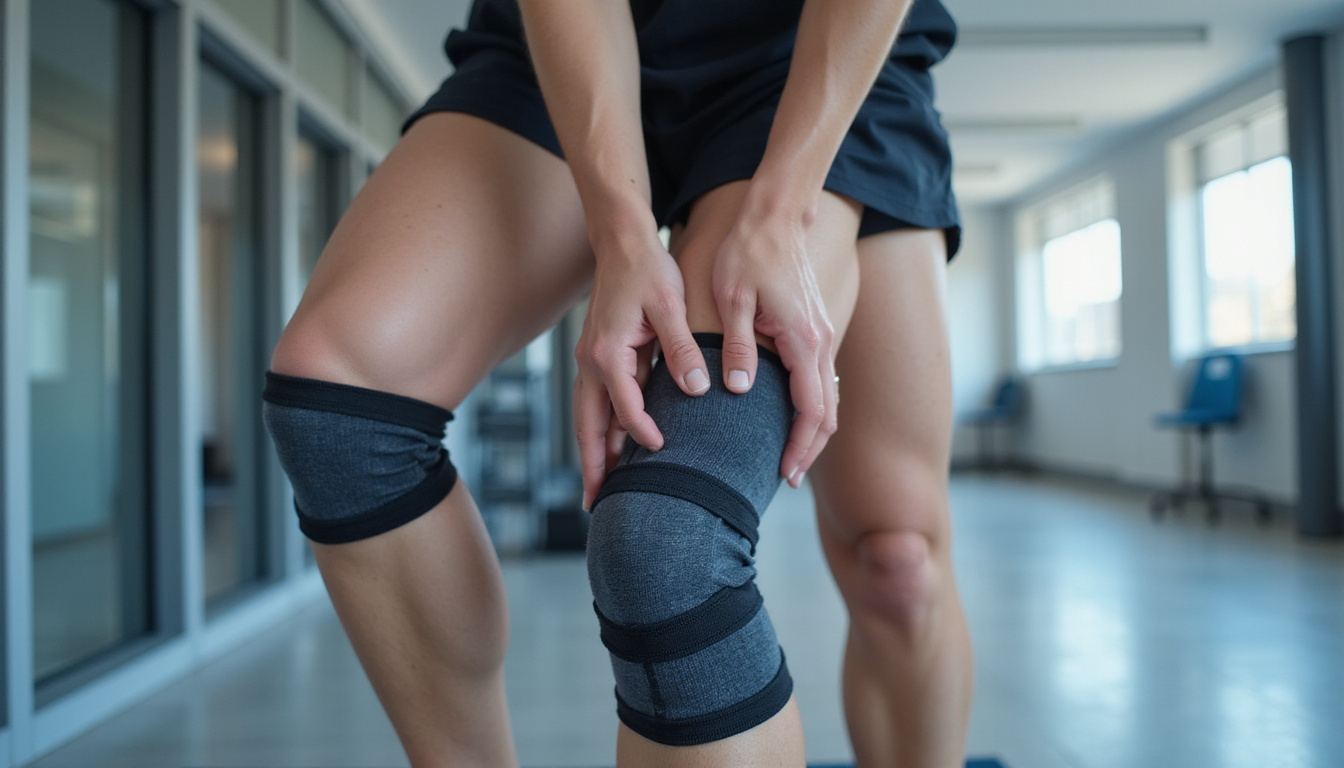
A rehab gym is made for people who:
• Have joint pain (knees, hips, shoulders, neck, back, ankles)
• Suffer stiffness, catching, or clicking joints
• Feel one side is weaker or tighter
• Just had surgery or an injection and fear re-injury
• Repeatedly sprain, tear, or suffer flare-ups
Key differences:
• Pain-aware programming – Exercises do not hurt your specific pain pattern. They still strengthen what is weak.
• Form correction every rep – Professionals see small shifts, such as twisting your spine when you should hinge at the hip.
• Clinical goals, not vanity metrics – The aim is to improve function. You can walk without limping, climb stairs without clutching the railing, and sleep without a throbbing shoulder.
How targeted workouts speed healing instead of slowing it down
If you rested a painful joint for weeks and then felt a flare when active, you have seen deconditioning. Rest alone does not fix a musculoskeletal problem. The magic is in the right kind of stress.
- Load the injured area – but at the right dose
Healthy joints and tissues need load. With a good rehab gym plan, tendons and ligaments grow strong. Muscles around the painful joint share the load. Controlled compression lets cartilage and joint surfaces work. Too little load leaves you weak. Too much load re-irritates the area. Targeted workouts find the sweet spot where the body adapts.
- Fix the energy leaks and faulty movement patterns
Many with long-term pain use subtle cheats when they move. They turn the whole trunk when the neck cannot rotate. They drop a hip on stairs. Their knees cave in during squats. They overarch the lower back because stiff hips force compensation. A rehab gym programme retrains these patterns. Your movement becomes more efficient and hurts your joints less.
- Build strength in the exact range that hurts
You may notice a sharp pinch at the bottom of a squat, or you may not reach behind to hook a bra strap. Sometimes stairs or slopes trigger your knee pain. Targeted workouts build strength at the painful angles. They work at the bottom of a squat, at the last few degrees of shoulder reach, where your knee wobbles. This targeted work shaves off real healing time compared to general exercise.
Common joint problems that benefit from a rehab gym in Singapore
People who join The Pain Relief Practice’s rehab gym often say:
• “My knee feels crunchy and unstable, especially on MRT stairs.”
• “My neck is always tight. I feel a zap when I turn fast to check blind spots.”
• “My shoulder clicks and catches when I reach overhead; I fear lifting heavy items.”
• “My lower back feels jammed and stiff after sitting at the office.”
Here is how a structured rehab gym approach helps:
Knee pain (meniscus issues, cartilage wear, old sports injuries)
• Targeted work strengthens your hip and glute muscles so your knees do not cave in.
• It builds quad strength without causing joint grinding.
• It improves lower-limb alignment to help your knee track correctly.
Shoulder pain (rotator cuff issues, impingement, frozen shoulder)
• Scapular control helps the ball-and-socket joint move well.
• Pain-free strengthening of the rotator cuff takes place in safe ranges.
• Gradual exposure to overhead movement stops you from being “stuck” at chest level.
Neck and back pain (disc issues, facet irritation, muscle spasms)
• Core stability is built without forcing painful crunches or sit-ups.
• Hip mobility work stops the back from compensating.
• Postural strength grows in the mid-back and deep neck muscles.
Sports injuries (sprains, strains, and always tight muscles)
• Instead of only stretching a tight hamstring or calf, the gym checks if the muscle is weak.
• Balance and proprioception work builds trust in your ankle or knee.
• Sport-specific drills prepare you for your actual game pace.
What to expect in a proper rehab gym session
At The Pain Relief Practice, a rehab gym session is more than using a few machines.
A typical process:
-
Detailed assessment
– You learn how your pain behaves: morning stiffness, end-of-day aches, sharp pinches, or dull throbs.
– You show which movements trigger the pain: stairs, squatting, overhead reach, or long sitting.
– Your joint movement and compensations are noted. -
Clear, realistic goals
Not just “less pain” but clear targets like:
– “I can walk 20 minutes without limping.”
– “I can carry my toddler without my back seizing.”
– “I can play football without my knee swelling the next day.” -
Targeted exercise prescription
You receive a custom, progressive programme. It includes isometric holds to calm joints, range-of-motion work to loosen stiffness, strength exercises at the angles that hurt, and balance drills if you feel wobbly or anxious. -
Hands-on guidance and progression
Your therapist watches your form. They adjust your technique on the spot. They change the exercise load based on your joint response. They keep pain at a safe level. Some discomfort is fine, but sharp pain is not. -
Homework that you truly do
You get a small list of high-impact exercises. These fit into your day and keep progress steady between sessions.
Why choose The Pain Relief Practice as your rehab gym partner
In Singapore, you have many choices: hospital physiotherapy or boutique gyms. The Pain Relief Practice stands apart:
• Established since 2007 – We are one of Singapore’s established physiotherapy and pain clinics. We help people with joint and muscle problems reclaim their lives.
• Specialised in musculoskeletal pain and performance – We treat pain and help you regain strong joints and muscles. This improvement makes you better at work, sports, and daily life.
• Trusted by celebrities and national athletes – Elite performers, including famous locals and Team Singapore athletes, choose us to keep their bodies strong and recover quickly.
• Integrated approach – We blend hands-on therapy, advanced modalities, and a structured rehab gym programme. Nothing is treated in isolation.
Real Results
Celebrities & National Athletes
If you wish to understand your joint pain and take part in your recovery, this type of rehab gym will suit you well.
The “secret sauce”: tailoring rehab to Singapore lifestyles
Living and working in Singapore brings its own stresses:
• Long MRT/bus rides and waiting in queues
• Hours hunched over laptops in air-conditioned offices
• High use of phones and tablets that strain necks and thumbs
• Weekend-warrior sports like futsal, running, badminton, cycling, or dragon boating
Generic programmes from overseas or fitness apps may not fit this lifestyle. At The Pain Relief Practice, rehab gym plans fit your reality:
• Desk-bound stiffness – You learn micro-routines that work at the office and do not attract attention.
• Condo/HDB-friendly exercises – The workouts demand minimal equipment, noise, and space.
• Weather-related flare-ups – You learn strategies for humid or rainy days when your joints feel extra stiff.
Simple rehab gym style exercises you might encounter
Every plan is custom, but you may see these examples:
For cranky knees:
• Supported sit-to-stand from a chair with a controlled pace.
• Step-downs from a low platform with clear alignment.
• Wall sits at angles that do not trigger grinding.
For stiff shoulders:
• Scapular setting and wall slides.
• Light band external rotations.
• Pain-free overhead presses with a limited range that slowly increases.
For nagging lower back:
• Hip hinge drills to teach your hips to bear the load.
• Dead bug variations to activate deep core muscles.
• Glute bridges and band side steps.
These exercises always adjust to your pain, strength, and confidence.
When should you NOT push through pain in a rehab gym?
Some discomfort is normal when retraining joints and muscles. Do not push through:
• Sharp, stabbing pain
• Sudden catching or locking sensations
• Numbness, tingling, or a loss of strength
• Swelling that worsens after exercise
These signs show that the load is too high, or there may be an underlying issue. A good rehab gym team sees these red flags and adjusts the plan quickly. For more guidance, visit the American Academy of Orthopaedic Surgeons at https://orthoinfo.aaos.org.
How to know if a rehab gym is working for you
You are on the right track if:
• Your baseline pain lowers week by week.
• Severe pain episodes come less often and you recover faster.
• Movements like stairs, squats, or overhead reaches feel safer.
• You use painkillers or anti-inflammatories less.
• You feel more confident using the affected joint daily.
If no change appears after several weeks or if pain worsens, your programme needs a review. The answer is not always to push harder.
Visit The Pain Relief Practice
If joint or muscle pain limits your life and you are tired of temporary relief, step into a rehab gym made for you.
The Pain Relief Practice
Specialised Pain Treatment & Rehab Gym in Singapore
(Serving patients since 2007, trusted by celebrities and national athletes)
Google profile (embedded):
https://share.google/UwMU2I9zUCwXVh0Lg
Check our reviews, clinic details, and directions on the Google profile link above. Then book a consultation to see how a custom rehab gym programme can help you return to the activities you love.
FAQ: Rehab gym in Singapore
-
What is the difference between a rehab gym and a physiotherapy clinic?
A rehab gym is part of a physiotherapy or pain clinic. It focuses on targeted exercise to restore function and strength. At The Pain Relief Practice, physio, pain treatments, and rehab gym workouts form one seamless plan. -
How often should I go to a rehab gym for joint pain?
This depends on your condition. Most people start with one or two guided sessions per week along with a home programme. As your joints grow stronger, visits may become less frequent. -
Can a rehab gym help chronic knee or back pain that I have had for years?
For many, yes. Chronic pain comes from weakness, stiffness, and faulty movement patterns. A well-designed rehab gym programme at a centre like The Pain Relief Practice can slowly retrain these issues, reduce pain, and improve function even if the problem has been long-lasting.
We are a specialized physio treatment center for savvy people who want real results.
While we are not suitable for someone looking for ‘cheap physiotherapy’ or ‘free exercises available on youtube’, our treatments are affordable and are often claimable with company flexi-benefits, company health insurance, travel insurance, personal accident insurance, and other insurance plans.
Simply whatsapp or call: +65 97821601 and let us know how to help.
If you prefer a convenient nutritional preventive option, Regenerix Gold is our top recommended joint supplement.
We have been recommending this joint supplement for over a decade.
Simply start with 3 capsules, once a day.
If you do not feel better within a week, increase to 2 capsules, twice a day. (4 capsules a day in total)
Our blog readers qualify for a special discount.
Simply use the link below and a discount will automatically be applied during checkout.


