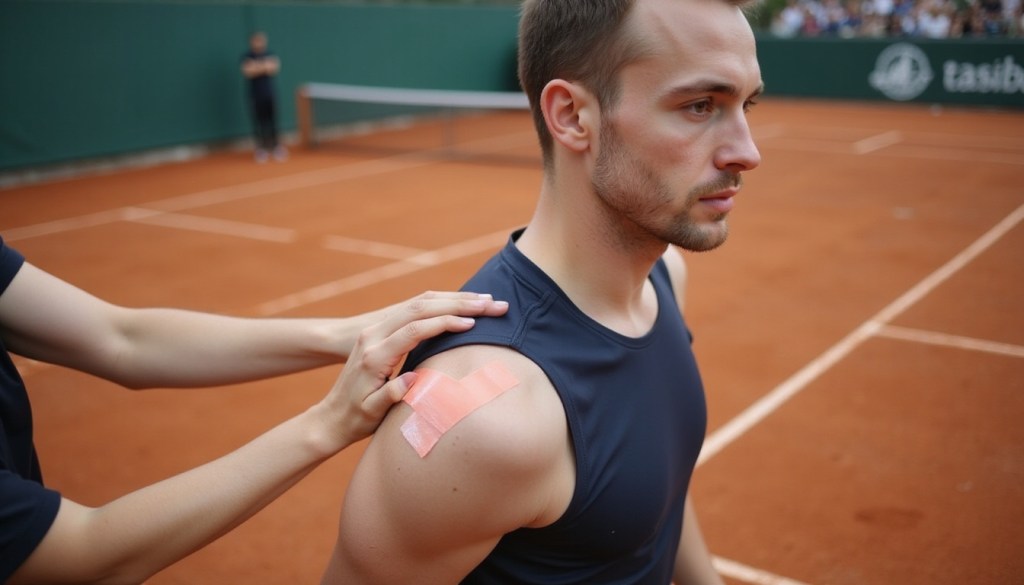
If you play tennis often and feel pain in your elbow, shoulder, or knees, this guide is for you.
You play, you feel pain, you read.
Smart, focused tennis physiotherapy stops injury, eases pain, and boosts every stroke.
This article speaks to tennis players and weekend warriors in Singapore.
You know what “tennis elbow”, “tight IT band”, “locking knee”, or “stiff lower back” means.
You want real, clinic-tested hacks, not generic advice.
──────────────────────────────
Why tennis physiotherapy matters for Singapore players
Tennis stresses joints and soft tissues.
Our climate adds more strain.
You play on hard courts that hammer your knees, hips, and lower back.
You play in humid conditions that wear you out fast.
You squeeze sessions into late evenings or weekends.
Over time, you may face:
• Chronic tennis elbow (lateral epicondylitis)
• Shoulder pain from impingement or rotator cuff issues
• Jumper’s knee or patellar tendinitis
• Achilles pain from repeated push-offs
• Lower back stiffness with disc or joint irritation
• Hip and groin tightness from sudden moves
Tennis physiotherapy works with the game’s movement.
It studies how you load joints instead of treating pain alone.
This method prevents injury, speeds recovery, and boosts performance.
──────────────────────────────
Hack 1: Fix your kinetic chain, not just your sore spot
Many players say, “My elbow hurts,” or “My shoulder is stuck.”
Yet the real issue may lie further down.
Hidden causes include:
• Weak, uncoordinated hips that overuse the arm
• A stiff mid-back that forces the shoulder to over-rotate
• Poor trunk rotation that makes the wrist and elbow compensate
• Collapsed foot arches that stress your knees and hips
A proper tennis physiotherapy check will use:
• Video to examine your serve, forehand, and backhand
• Tests for hip and core strength
• Mobility checks for your thoracic and lumbar spine
• Stability tests for foot and ankle
When you fix your kinetic chain, your joints rest and pain fades.
──────────────────────────────
Hack 2: Shoulder-safe serving – build a rotator cuff of steel
If your shoulder feels “caught” or “pinchy”, or if you need extra warm-ups, your rotator cuff needs help.
Key shoulder rules are:
- Train the back of your shoulder more than the front.
- Build strength in your shoulder blade muscles.
- Open up your mid-back with extension and rotation work.
Try these drills 3–4 times weekly:
• Band external rotations at 0° and 90° protect your shoulder during the serve.
• Prone “Y”, “T”, “W” raises wake up your lower traps and rhomboids.
• Wall slides and thoracic rotations free your mid-back and ease shoulder stress.
With steady work, you fight the “dead arm” and serve with confidence.
──────────────────────────────
Hack 3: Bulletproof your elbow (beyond the standard tennis elbow strap)
Many players tape their elbows in Singapore.
But the strap only hides pain; it does not fix overused tendons.
Good elbow care focuses on:
• Managing load—cut back on heavy topspin and backhand play.
• Strengthening wrist extensors using eccentric and isometric moves.
• Tweaking grip and racquet choices for your style.
A simple checklist for your elbow:
• Do eccentric wrist extensions with light dumbbells or bands.
• Hold isometric positions in mid-range when pain spikes.
• Check that your grip size is right (avoid overgripping).
• Try lower string tension and arm-friendly strings.
When you load your tendon properly, pain mellows and you keep playing.
──────────────────────────────
Hack 4: Save your knees and ankles from Singapore’s hard courts
If your knees “click”, swell after matches, or your ankles wobble, you are not alone.
Hard courts are tough in Singapore.
Lower limb care includes:
• Strengthening hips (glutes and deep rotators) to steady your knees.
• Building calf strength for strong push-offs and deceleration.
• Improving ankle sense for stable cuts and landings.
A simple lower limb routine is:
• Single-leg squats to a chair.
• Lateral band walks and monster walks.
• Calf raises with straight and bent knees.
• Single-leg balance, with eyes closed or on a cushion.
These drills quiet the jarring in your knees and boost your quick moves.
──────────────────────────────
Hack 5: Core and trunk rotation – the engine behind effortless power
If your lower back tightens after a serve, or your stroke lacks power, your trunk might need work.
A strong program has:
• Core work that stops unwanted rotation.
• Rotation exercises that build controlled power.
Include these exercises:
• Pallof presses for anti-rotation.
• Side planks with hip lifts.
• Medicine ball rotational throws (progress slowly).
• Controlled “open-book” rotations to boost mobility.
When your hips and trunk drive your stroke, your arms get a break.
Power rises and pain drops.

──────────────────────────────
Hack 6: Smarter warm-ups for Singapore’s climate
Many players warm up with a few groundstrokes.
In humid Singapore, muscles warm up fast, but joints need more time.
A tennis physiotherapy warm-up (10–12 minutes) should include:
- A light jog or skipping.
- Dynamic leg swings, lunges with rotation, and high knees.
- Band work for your shoulders (external rotations, pull-aparts, diagonals).
- Short bursts of acceleration, deceleration, side shuffles, and carioca steps.
You should feel loose and alert before your first serve, not when sets are almost over.
──────────────────────────────
Hack 7: Recovery routines that actually keep you playing
If you end a match, pack your bag, and drive home immediately, you skip recovery.
Skimping on recovery means lower performance.
Follow these recovery pillars (source: American Academy of Orthopaedic Surgeons):
• Cool down gradually with a light jog or walk.
• Stretch your forearms, shoulders, hips, calves, and lower back gently.
• Replenish fluids and electrolytes because our humidity makes you sweat hard.
• Rest 24–48 hours between tough sessions if your joints feel old.
A simple rule: if a joint feels sore or “grumpy” the next day, it has not recovered enough.
──────────────────────────────
Real Results
──────────────────────────────
Celebrities & National Athletes
──────────────────────────────
When to see a tennis physiotherapy specialist (and not just “play through it”)
See an experienced sports physio if:
• Pain is sharp, focused, or grows worse each week.
• You feel weakness or instability in a joint.
• Pain wakes you at night or you have stiffness lasting over 30 minutes in the morning.
• Rest and basic exercises do not help.
• You keep re-aggravating the same spot every few months.
Delay too long, and a simple overuse pain may turn into a chronic tendon or joint problem that needs much longer to fix.
──────────────────────────────
Why The Pain Relief Practice is a go-to tennis physiotherapy centre in Singapore
The Pain Relief Practice stands as one of Singapore’s established physiotherapy clinics since 2007.
We help:
• Celebrities and national athletes who must keep their joints pain-free.
• Serious recreational players and weekend warriors who want to stay strong.
• Those with stubborn pain that generic methods did not fix.
How we work with tennis players:
• A thorough check of your joints, muscles, and movement as you play.
• Targeted hands-on therapy that eases pain and brings back mobility fast.
• A sports-specific rehabilitation plan tailored to your level, schedule, and goals.
• A performance focus that gets you back on court to hit harder, move faster, and stay longer.
We treat patients who want to:
• Fix stubborn pain issues.
• Restore strong, healthy joints and muscles.
• Boost on-court performance and enjoy life more.
If you have tired of “icing and hoping”, a structured tennis physiotherapy plan might be the change you need.
──────────────────────────────
Our Google Profile
https://share.google/UwMU2I9zUCwXVh0Lg
──────────────────────────────
FAQ: tennis physiotherapy in Singapore
Q1: How can tennis physiotherapy help my tennis elbow?
A proper tennis physiotherapy plan combines pain relief methods, gradual wrist and forearm muscle loading, grip and equipment advice, and stroke tweaks.
This approach cuts strain on your tendon and makes it stronger so you play with less pain.
Q2: Is tennis physiotherapy useful even if I only play once a week?
Yes.
Even once-a-week players can overload joints going straight from a desk to full-intensity play.
Tennis physiotherapy builds baseline strength, mobility, and resilient joints so that even short court time does not cause pain.
Q3: What should I expect at a tennis-specific physio session?
Expect a clear history of your pain, a full joint and muscle check, and sometimes a movement analysis of your stroke.
Your session may include hands-on treatment, custom exercises, warm-up and recovery tips, and advice on when to push or hold back.
──────────────────────────────
If your body speaks up with pain after every match, do not wait until it “breaks down.”
With the right tennis physiotherapy approach, you can protect your joints, cut pain, and chase every ball with confidence.
We are a specialized physio treatment center for savvy people who want real results.
While we are not suitable for someone looking for ‘cheap physiotherapy’ or ‘free exercises available on youtube’, our treatments are affordable and are often claimable with company flexi-benefits, company health insurance, travel insurance, personal accident insurance, and other insurance plans.
Simply whatsapp or call: +65 97821601 and let us know how to help.
If you prefer a convenient nutritional preventive option, Regenerix Gold is our top recommended joint supplement.
We have been recommending this joint supplement for over a decade.
Simply start with 3 capsules, once a day.
If you do not feel better within a week, increase to 2 capsules, twice a day. (4 capsules a day in total)
Our blog readers qualify for a special discount.
Simply use the link below and a discount will automatically be applied during checkout.