If you are experiencing discomfort in your knee, you may be one of the many individuals in Singapore dealing with a meniscus tear. This common injury can lead to pain, swelling, and difficulty in mobility. In this article, we will explore meniscus tear physiotherapy in Singapore and delve into understanding the causes and symptoms of this injury, the crucial role of physiotherapy in recovery, how to find the right physiotherapist, the techniques involved, and tips for a successful rehabilitation process. Whether you’re an athlete or someone simply seeking relief from knee pain, expert meniscus tear physiotherapy can help revitalize your recovery.

Key Takeaways
- Meniscus tears commonly result from repetitive stress, aging, or acute injuries.
- Physiotherapy plays a crucial role in enhancing recovery and restoring mobility after a meniscus tear.
- Choosing a qualified physiotherapist in Singapore is vital for personalized treatment plans.
- Effective techniques for meniscus tear rehabilitation include exercises, modalities, and manual therapy.
- Following specific recovery tips can significantly improve the rehabilitation process after a meniscus tear.
Understanding Meniscus Tears: Causes and Symptoms
Understanding Meniscus Tears: Causes and Symptoms
Meniscus tears are common knee injuries that can significantly affect your mobility and daily life. If you’re experiencing discomfort, swelling, or a sensation of your knee giving way, it’s essential to understand the underlying causes and symptoms of a meniscus tear. These crescent-shaped cartilage structures provide cushioning and stability to the knee joint, and when injured, can lead to pain and limited function.
A meniscus tear can occur due to various reasons, including:
1. Sports Injuries: Quick twists or direct blows to the knee during activities like football, basketball, or tennis can result in tears.
2. Age-Related Degeneration: As we age, our cartilage can wear down, making it more susceptible to tears even with minimal stress.
3. Accidents or Falls: Sudden impacts or awkward landing positions can cause sudden knee trauma.
Symptoms of a meniscus tear usually include:
• Pain in the knee area, particularly on the outer or inner side
• Swelling and stiffness
• A popping sensation at the time of injury
• Limited range of motion and difficulty bending or straightening the knee
• The feeling that your knee is locking or giving way
Understanding these symptoms is crucial for early diagnosis and intervention. Seeking meniscus tear physiotherapy in Singapore can play a vital role in managing your recovery effectively. Physiotherapists assess the extent of the injury, guide you through targeted rehabilitation exercises, and promote healing to restore your knee function.
The Role of Physiotherapy in Meniscus Tear Recovery
### The Role of Physiotherapy in Meniscus Tear Recovery
Experiencing a meniscus tear can be daunting, especially when it affects your mobility and daily activities. Seeking meniscus tear physiotherapy in Singapore is often an essential step in your recovery journey.
Physiotherapy plays a crucial role in treating a meniscus tear by helping individuals manage pain, regain strength, restore mobility, and ultimately prevent future injuries. Here’s how physiotherapy aids in recovery from a meniscus tear:
1. Pain Management: Physiotherapists use a variety of techniques such as ice therapy, electrical stimulation, and manual therapy to help reduce pain and inflammation in the affected area. This alleviates discomfort, allowing you to engage more fully in rehabilitation exercises.
2. Restoring Range of Motion: After a meniscus injury, swelling and pain can significantly limit your knee’s range of motion. Physiotherapists will implement targeted exercises and stretches to improve flexibility and mobility, helping you regain functional movement.
3. Strengthening Surrounding Muscles: Strengthening the muscles around the knee joint is essential for a well-rounded recovery. Physiotherapists guide you through progressive strength training exercises aimed at fortifying your quadriceps, hamstrings, and calf muscles. This not only aids recovery but also provides stability to the knee joint, reducing the risk of re-injury.
4. Rehabilitation Exercises: Tailored rehabilitation programs are essential for efficient recovery. Physiotherapists create specific exercise regimens customized to your condition, gradually increasing intensity as your knee heals. This progressive loading helps to enhance joint stability and restore overall function.
5. Return to Activity Guidance: When you’re ready to return to your favorite sports or daily activities, your physiotherapist will provide expert guidance on safe practices and exercises to ensure a smooth transition back to regular movement.
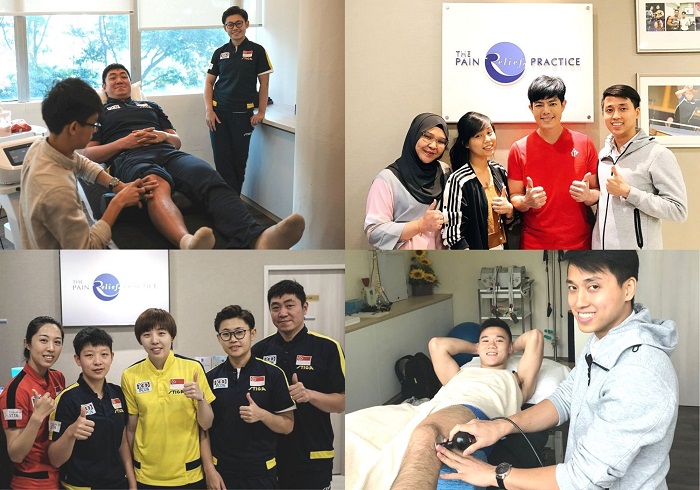
At The Pain Relief Practice, we emphasize a comprehensive approach to rehabilitation, helping you not just recover, but also improve your overall joint health and performance. Our team has experience treating a wide array of clients, including celebrities and national athletes, all of whom have trusted us to restore their musculoskeletal function. If you’re in Singapore and suffering from a meniscus tear, consider partnering with our expert physiotherapy team for an effective recovery pathway.
‘The greatest glory in living lies not in never falling, but in rising every time we fall.’ – Nelson Mandela

Finding the Right Physiotherapist in Singapore
Finding the Right Physiotherapist in Singapore
When it comes to recovering from a meniscus tear, seeking the right physiotherapist is crucial for a successful rehabilitation process. Patients experiencing symptoms such as knee pain, swelling, or stiffness must consider several factors before selecting a treatment center. In Singapore, the options may seem overwhelming, but focusing on specific attributes can help narrow down your choices.
1. Expertise and Specialization: Look for physiotherapists who specialize in meniscus tear physiotherapy. This specialization indicates that they have a thorough understanding of the condition and recovery protocols.
2. Experience: Choose a clinic, like The Pain Relief Practice, that has a solid track record. Established in 2007, we have treated numerous patients, including celebrities and national athletes, ensuring our methods are proven and effective.
3. Approach to Treatment: It’s important to find therapists who utilize a comprehensive approach, combining manual therapy, exercise rehabilitation, and modern technology to cater to individual recovery needs.
4. Patient Testimonials: Read reviews and testimonials from previous patients. Success stories can provide insights about the clinic’s efficiency and the physiotherapist’s ability to alleviate joint problems.
5. Facilities and Equipment: Assess the clinic’s facilities. Modern and well-maintained equipment can significantly enhance treatment outcomes.
6. Location and Accessibility: Consider how accessible the clinic is. A conveniently located clinic makes it easier to attend regular sessions, which is important for recovery.
Choosing the right physiotherapist for your meniscus tear physiotherapy in Singapore involves careful research, but it is a vital step in regaining mobility and comfort. At The Pain Relief Practice, we focus on personalized care that aims to restore your joint health and overall physical performance.
Techniques and Treatments Used in Meniscus Tear Physiotherapy
### Techniques and Treatments Used in Meniscus Tear Physiotherapy
When it comes to recovering from a meniscus tear, seeking meniscus tear physiotherapy in Singapore offers you a tailored approach that focuses on alleviating pain, restoring function, and preventing future injuries. At The Pain Relief Practice, we specialize in using advanced techniques and treatments tailored to meet the unique needs of our patients. Here’s a look at some of the key methods we employ:
1. Manual Therapy: This hands-on approach involves the skilled manipulation of the knee joint and surrounding tissues to reduce pain and improve flexibility. Our physiotherapists use various techniques such as joint mobilization, soft tissue release, and stretching to enhance your recovery.
2. Exercise Therapy: Specially designed individualized exercise programs aim to strengthen the muscles around the knee, enhance stability, and boost overall leg functionality. These exercises incorporate resistance training and range-of-motion activities specifically aimed at rehabilitating the meniscus after injury.
3. Electrotherapy: Utilizing electrical stimulation, this technique helps in reducing pain and swelling. It works by stimulating the muscles and promoting circulation around the injury, which can aid in quicker recovery and enhanced healing.
4. Hydrotherapy: Water-based exercises can help minimize the weight and strain on the knee joint while allowing effective movement and rehabilitation. This is particularly beneficial for those experiencing joint discomfort or swelling.
5. Cryotherapy and Heat Therapy: Applying ice packs can reduce swelling, while heat pads help in loosening stiff joints and muscles. These therapies can complement your rehabilitation program effectively.
The combination of these techniques ensures that you receive holistic and effective care designed to not just recover from a meniscus tear, but also to significantly improve the quality of your movement and joint health. Rest assured, as a leading physiotherapy clinic, we have successfully treated numerous patients since 2007, including celebrities and national athletes, to regain their strength and quality of life after a meniscus injury.

Tips for a Successful Recovery After Meniscus Tear Rehabilitation
Recovering from a meniscus tear can be a challenging journey, but with the right physiotherapy and rehabilitation strategies, you can regain your knee function and return to an active lifestyle. In Singapore, where access to specialized care such as meniscus tear physiotherapy Singapore is readily available, it’s essential to understand the steps you can take to ensure a successful recovery after your rehabilitation program. Below are some practical tips to help guide your recovery journey:
1. Assess Your Current Condition: Regularly consult with your physiotherapist to assess your progress. They will help you track improvements in mobility, strength, and pain levels, adjusting your rehabilitation plan as needed.
2. Follow Your Rehabilitation Program: Adhering to your prescribed physiotherapy exercises is crucial for restoring strength and stability to your knee. Make a commitment to complete these exercises consistently and diligently.
3. Incorporate Mobility Exercises: Focus on exercises that enhance your range of motion. Gentle stretching and mobility work will help prevent stiffness following your injury.
4. Strength Training: Gradually increase strength training exercises, particularly targeting the quadriceps and hamstrings. Strong muscles support your knee joint better, reducing the risk of future injuries.
5. Manage Pain and Swelling: Utilize techniques such as ice therapy and elevation to manage any post-exercise swelling or discomfort. Consult your physiotherapist for additional pain management strategies tailored to your needs.
6. Stay Active but Know Your Limits: Engage in low-impact activities such as swimming or cycling to maintain fitness levels; however, always listen to your body and avoid actions that prompt pain.
7. Stay Educated: Understand more about your condition, rehabilitation process, and the best recovery practices. Knowledge empowers you to be an active participant in your healing journey.
8. Use Assistive Devices if Necessary: If you experience significant pain or instability, consider using crutches or a knee brace as advised by your physiotherapist to aid in your recovery without further injury.
9. Seek Support: Surround yourself with supportive family members or friends who can encourage you to stick to your recovery plan and activities.
10. Consider Nutritional Support: Ensure that your diet supports healing, focusing on foods rich in vitamins and minerals that promote joint health and recovery.
By following these tips, you can enhance your recovery process and return to your normal activities with less knee pain and a better-functioning joint.
We are a specialized physio treatment center for savvy people who want real results.
While we are not suitable for someone looking for ‘cheap physiotherapy’ or ‘free exercises available on youtube’, our treatments are affordable and are often claimable with company flexi-benefits, company health insurance, travel insurance, personal accident insurance, and other insurance plans.
Simply whatsapp or call: +65 97821601 and let us know how to help.
If you prefer a convenient nutritional preventive option, Regenerix Gold is our top recommended joint supplement.
We have been recommending this joint supplement for over a decade.
Simply start with 3 capsules, once a day.
If you do not feel better within a week, increase to 2 capsules, twice a day. (4 capsules a day in total)
Our blog readers qualify for a special discount.
Simply use the link below and a discount will automatically be applied during checkout.
